
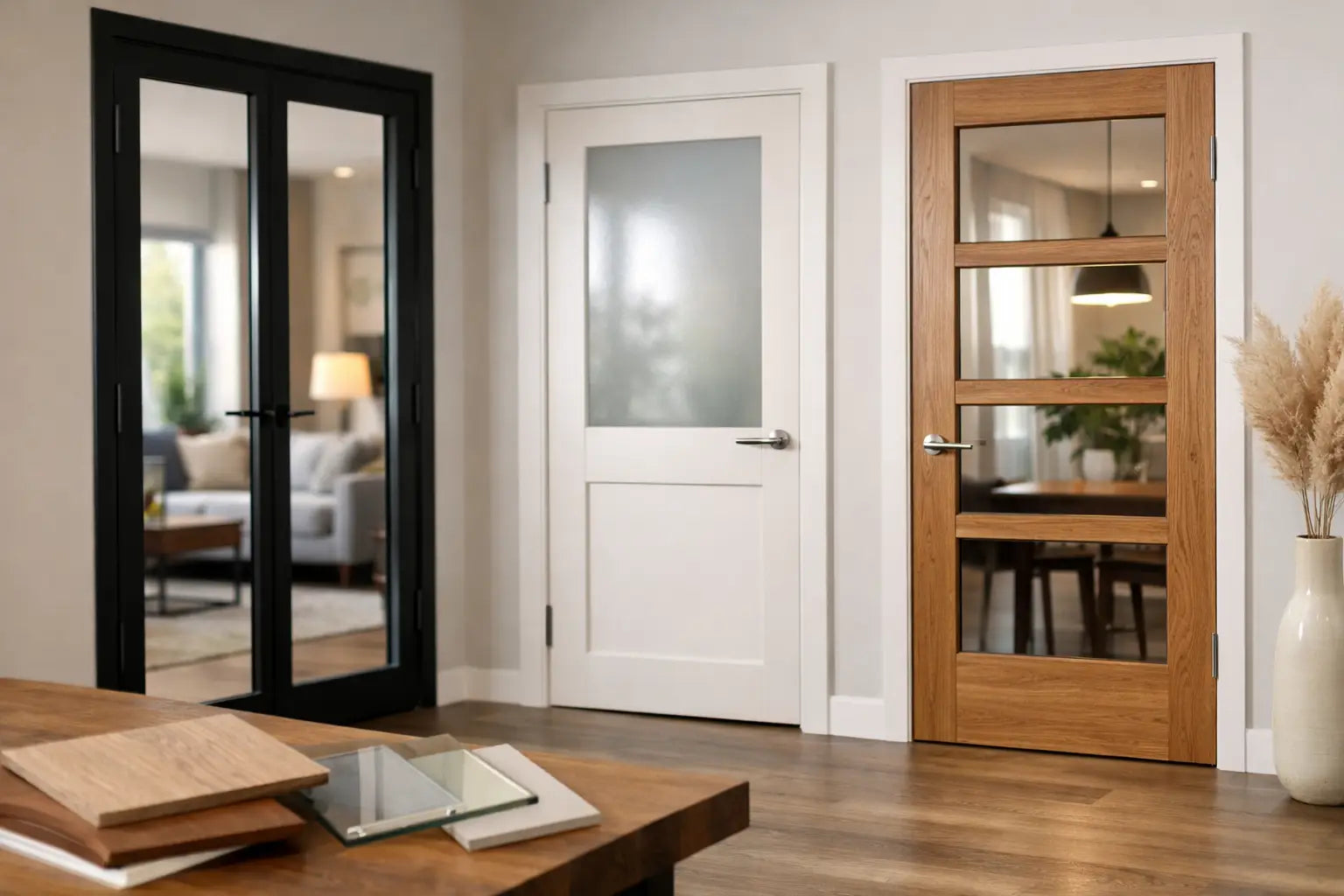
Dark hallways, borrowed light and rooms that feel closed off are usually solved faster by the right door than by repainting a wall. Internal doors with glass can brighten a layout, make smaller spaces feel less restricted and add a more finished look to the home, but the best option depends on where the door is going, how much privacy you need and whether fire performance is part of the specification.
For homeowners, renovators and trade buyers alike, glazed internal doors sit at the point where design and function meet. Get the balance right and you improve light flow without compromising practicality. Get it wrong and you can end up with the wrong level of transparency, a style that clashes with the property, or a door that does not suit the opening, frame or hardware setup.
Why internal doors with glass work so well
The main reason buyers choose glazed internal doors is simple: they let light travel further through the property. That matters in central hallways, landings, home offices, dining rooms and kitchens where solid doors can make adjoining spaces feel enclosed. Even a modest glazed panel can make a visible difference, particularly in homes with limited natural light.
They also help with visual connection. In open, plan or semi, open layouts, internal glazing keeps a degree of separation without making rooms feel cut off. This is useful in family homes where you want acoustic separation from a lounge or study, but do not want the house to feel segmented.
There is a style advantage too. Glass breaks up the visual weight of a door leaf, which often makes the whole room feel more considered. In contemporary interiors, clear glazed panels can sharpen a clean, minimal look. In more traditional properties, oak shaker glazed doors or panelled glazed designs can tie in neatly with classic joinery details.
Where glazed internal doors make the most sense
Some locations are particularly well suited to glazing. Hall to lounge openings are a common choice because they allow daylight from larger rear rooms to reach the front of the house. Kitchen doors are another strong option, especially when you want to maintain separation for noise or cooking smells without losing light.
Home offices benefit as well. A glazed door can help a study feel less boxed in, which is useful when the room is small or carved from an existing reception room. At the same time, the door still provides a clear boundary for work.
Bedrooms and bathrooms are more dependent on the glass style. In these spaces, buyers often choose frosted, reeded or obscure glazing rather than clear panels. The door still carries light, but privacy is far better managed.
Choosing the right glazing style
The amount and type of glass changes both the look and the practicality of the door. Full-height glazed doors create the biggest impact on light flow and suit modern interiors particularly well. They can be ideal between a hallway and living space, but they are not always the right fit where privacy is limited.
Partially glazed doors are often the safer all-round choice. A vertical light, a pair of glazed apertures or a top-panel glazed design can introduce light while keeping more of the door solid. This usually gives better flexibility across different rooms.
Then there is the glass itself. Clear glazing gives the cleanest, most open effect. Frosted glass increases privacy and works well for bathrooms, utility rooms and some bedrooms. Decorative or reeded glazing can sit somewhere between the two, offering a softer level of screening with more character.
If the property has a strong architectural style, the glazing pattern matters. Contemporary homes usually suit simpler, larger glazed sections. Period-inspired interiors tend to look better with more defined framing, such as shaker or traditional panel arrangements. Matching the glazing style to other doors in the house is often what makes the result feel intentional rather than mixed together.
Materials, finishes and what they change
Oak remains one of the strongest sellers for glazed internal doors because it covers a lot of ground. In cottages, Victorian terraces and newer homes alike, oak adds warmth and works with a wide range of floor finishes and ironmongery. It can be supplied unfinished for on-site treatment or prefinished for quicker installation and a more consistent factory-applied result.
White primed glazed doors are popular where a lighter, cleaner look is needed or where the buyer plans to paint all joinery to match skirting, linings or wardrobes. They suit modern refurbishments particularly well and can make narrower spaces feel brighter.
Black internal glazed doors have also become a strong choice in contemporary projects. Used well, they create contrast and a defined architectural line, especially with matching black hardware. They are effective in modern kitchens, extensions and loft conversions, but they do demand a degree of consistency across the room. If the rest of the joinery is soft and traditional, black framed glazing can look out of place.
Internal doors with glass and privacy concerns
One of the biggest hesitations around internal doors with glass is privacy. That concern is valid, but it is usually solved by specification rather than avoiding glazing altogether.
For bathrooms, en suites and cloakrooms, obscure glazed designs are generally the better route. For bedrooms, the answer depends on the layout and who uses the room. In a family home, partial or frosted glazing may be acceptable in some situations, while guest bedrooms or principal bedrooms often call for solid doors instead.
There is also the question of sound. Glass does not automatically mean poor acoustic performance, but a heavily glazed door will not feel as enclosed as a solid core option. In spaces where quiet matters, such as studies or bedrooms, this trade-off is worth considering early.
Fire-rated glazed doors
Where a project needs fire protection, glazed doors require extra attention. Not every glazed internal door is suitable for fire door use, and not every piece of glass can be used within a fire-rated leaf. If the opening requires an FD30 or FD60 solution, the door, glazing, frame components and compatible hardware all need to be specified correctly.
This matters in loft conversions, integral garage access points, some flats and many commercial settings. It also matters in refurbishment work where regulations apply. Fire-rated glazed internal doors can still provide light and maintain a consistent design scheme, but they must be selected as part of a compliant doorset or clearly compatible system.
That is where buying from a specialist supplier makes a practical difference. You are not just choosing a style. You are checking certification, glazing specification, intumescent requirements and suitability for the intended opening.
Size, configuration and installation details
A glazed door only performs properly if the basics are right. Start with the opening size, the door thickness and whether the frame is suitable for the chosen leaf. Standard sizes cover many residential projects, but older properties and renovation work often need a more careful check before ordering.
Think about door swing and room layout too. In tighter spaces, the position of the glazed section can affect how the room feels once the door is open or closed. If the project uses pocket door systems or double doors, glazing can be especially effective because it keeps the opening feeling generous even when the doors are shut.
Hardware should not be treated as an afterthought. Hinges, latches and handles need to suit both the door weight and the overall finish. Satin stainless steel, polished chrome, matt black and antique brass all change the final look. On a glazed door, hardware is more visible, so mismatched finishes stand out quickly.
Getting the best result for the property
The right glazed door is rarely the one with the biggest glass panel or the boldest finish. It is the one that fits the building, the room use and the level of performance required. A bright family kitchen may benefit from a clear glazed oak door. A bathroom is likely to need obscure glass. A loft conversion may require a fire-rated glazed solution. A developer fitting out multiple plots may prioritise prefinished consistency and reliable lead times over bespoke detailing.
For that reason, it helps to narrow the choice by function first, then by style. Ask how much light you want to move through the space, how much privacy you need, whether the opening has any fire requirement, and what finish best suits the wider joinery package. Once those points are settled, the shortlist usually becomes much clearer.
At Door Supplies Online, that is exactly how many customers approach the category - starting with the practical requirement, then matching it to the right finish, glazing style and specification. It saves time, reduces ordering mistakes and makes it easier to achieve a coordinated result across the property.
If you are choosing internal doors with glass, treat them as part of the overall interior scheme rather than a last-minute add-on. The right choice will do more than divide rooms, it will improve how the whole house looks, feels and functions every day.
For more information about our interior or exterior doors or door accessories, give us a call at 01603 622261 and speak to a member of our expert team today or Email us at sales@doorsuppliesonline.co.uk. We look forward to hearing from you.