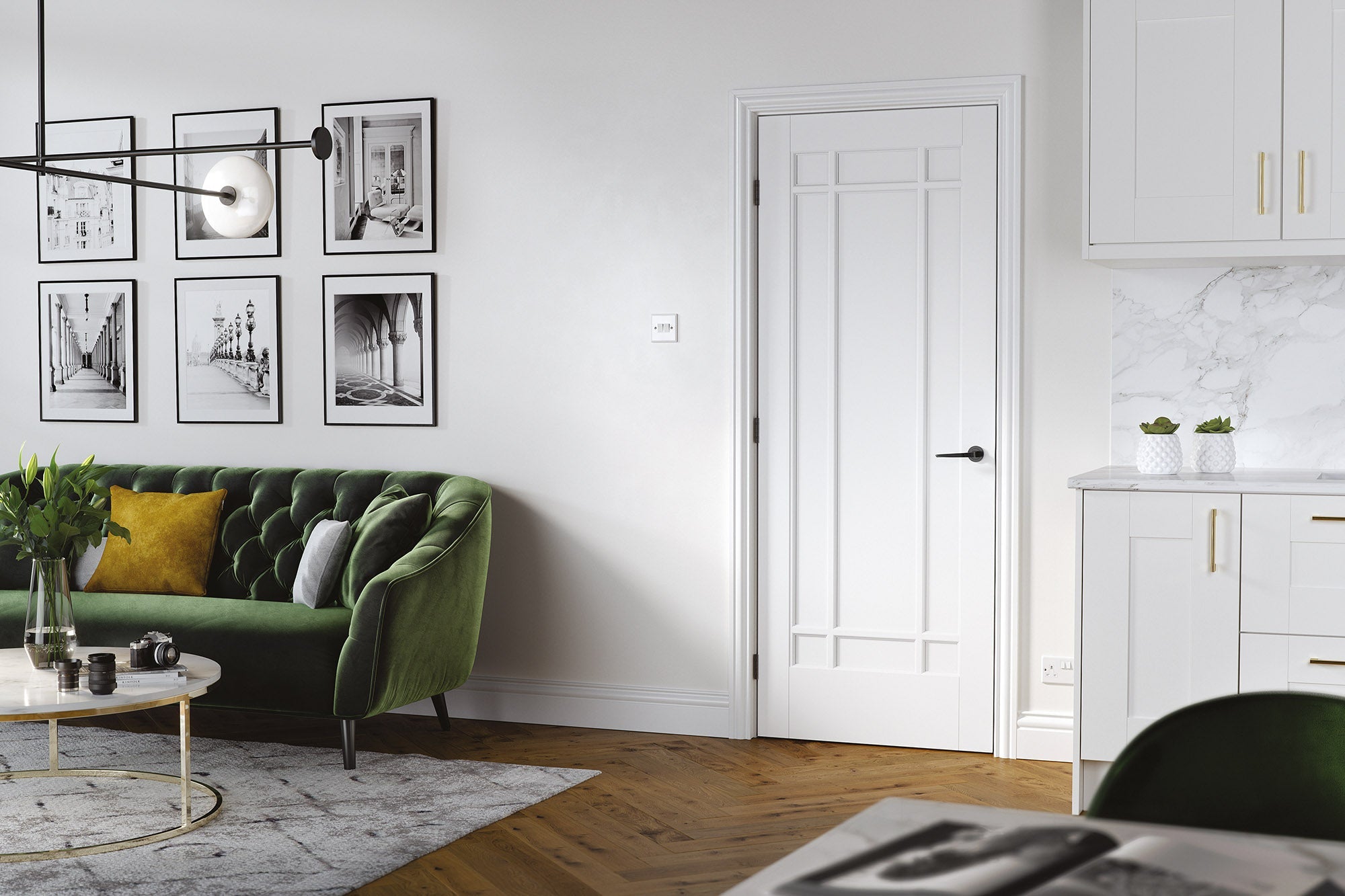
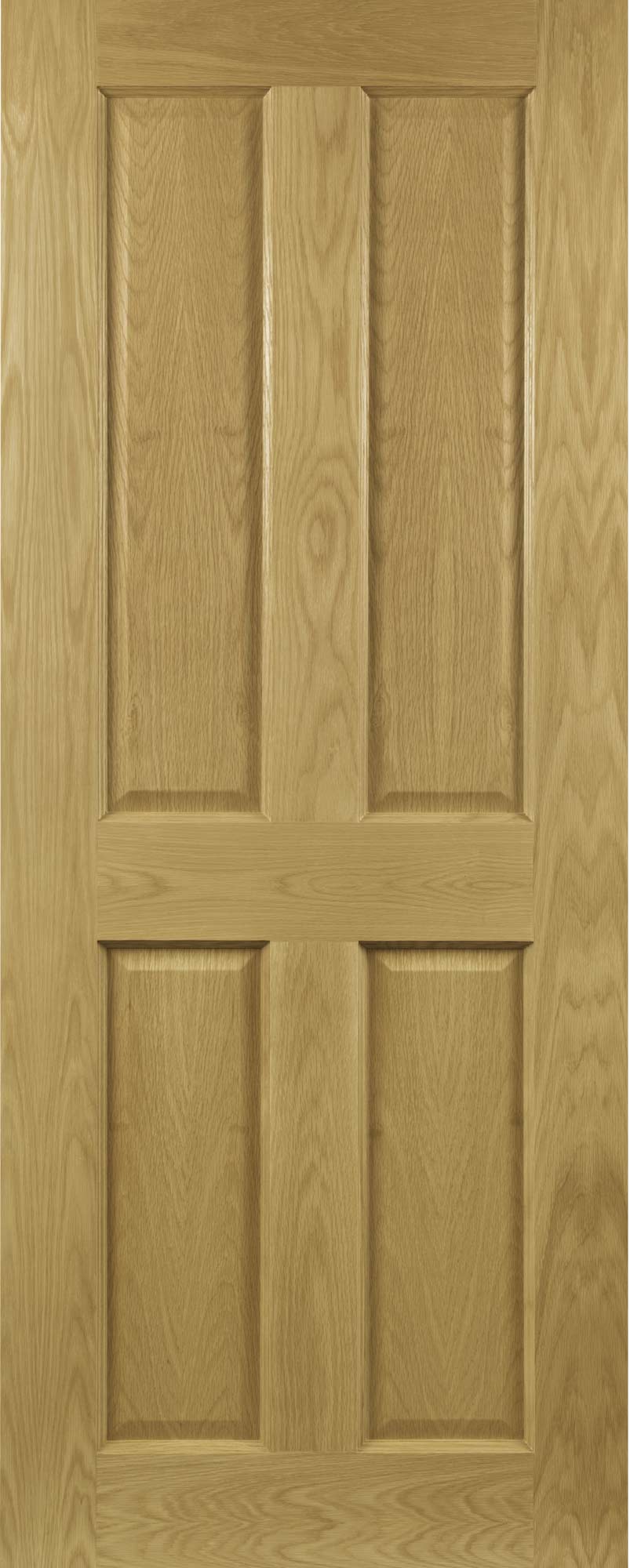
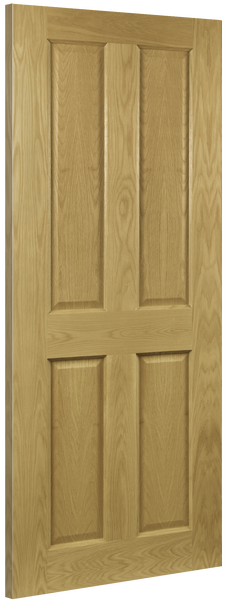
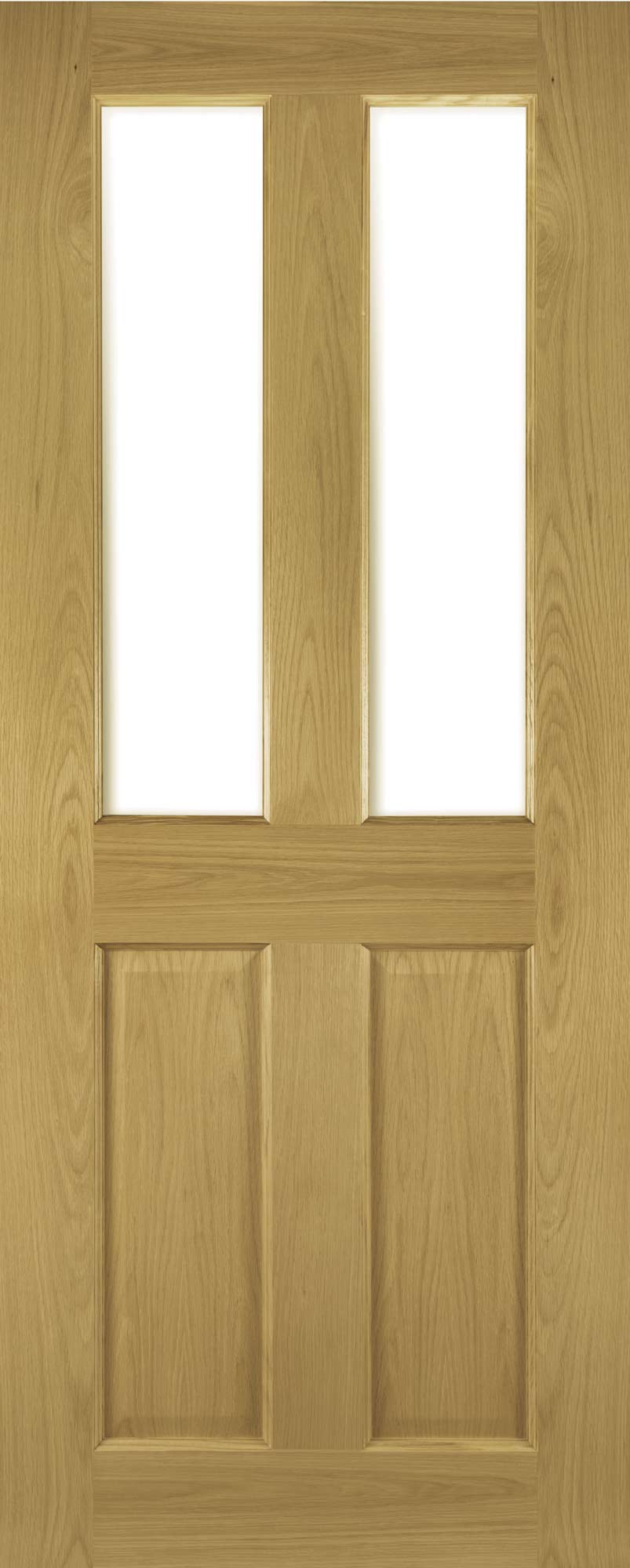
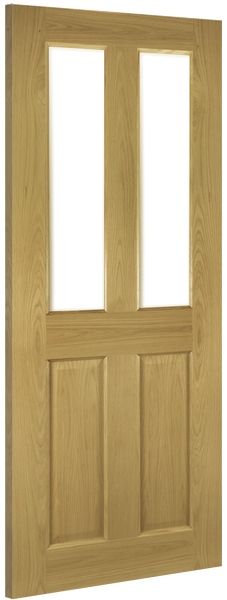
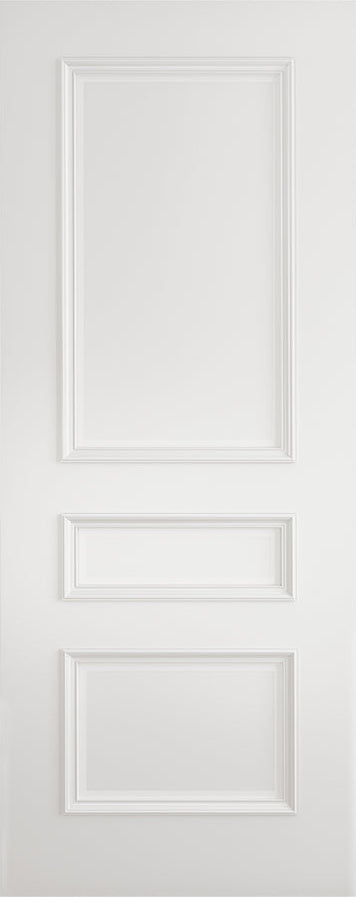
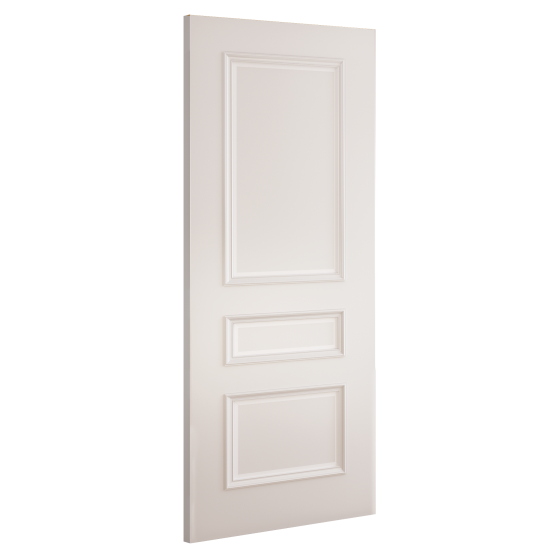
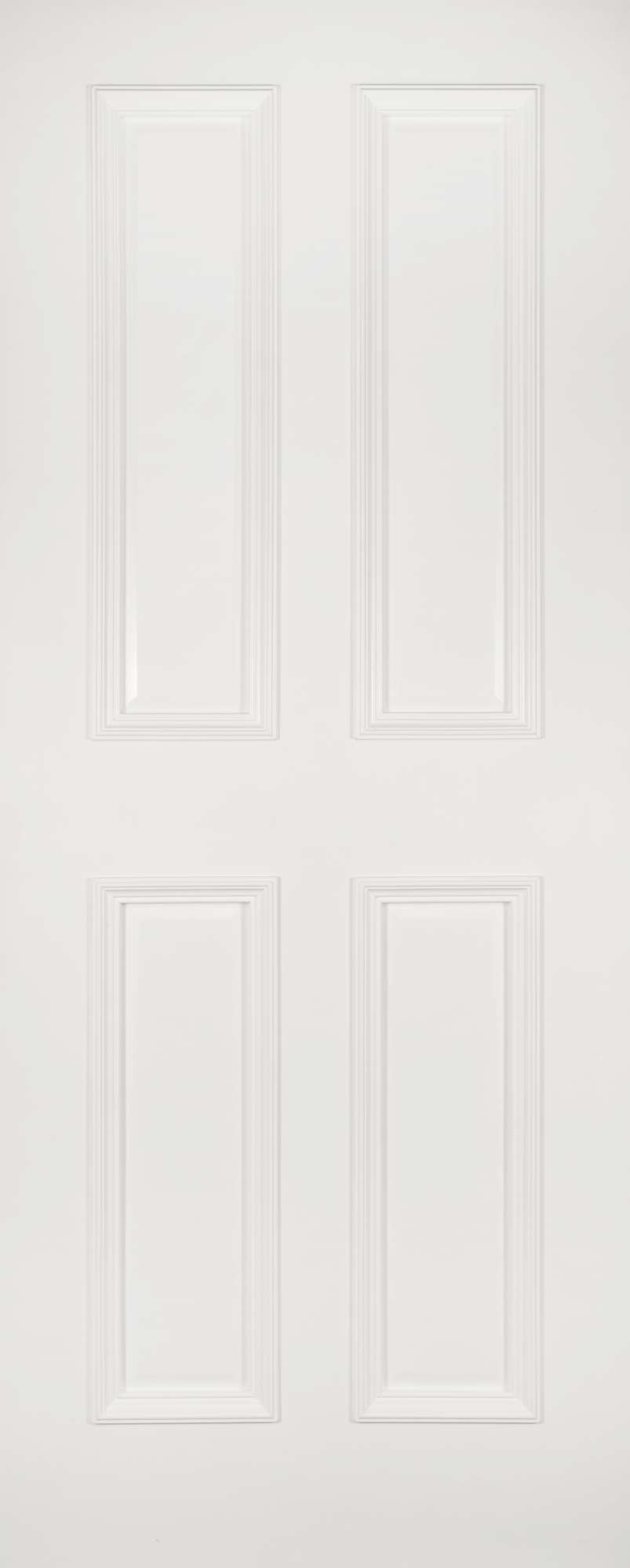
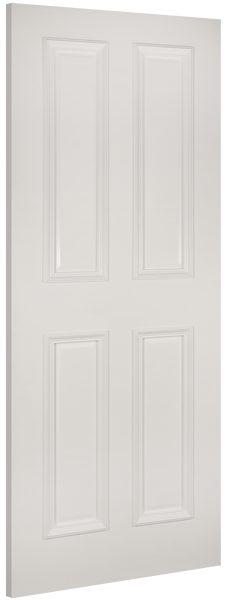
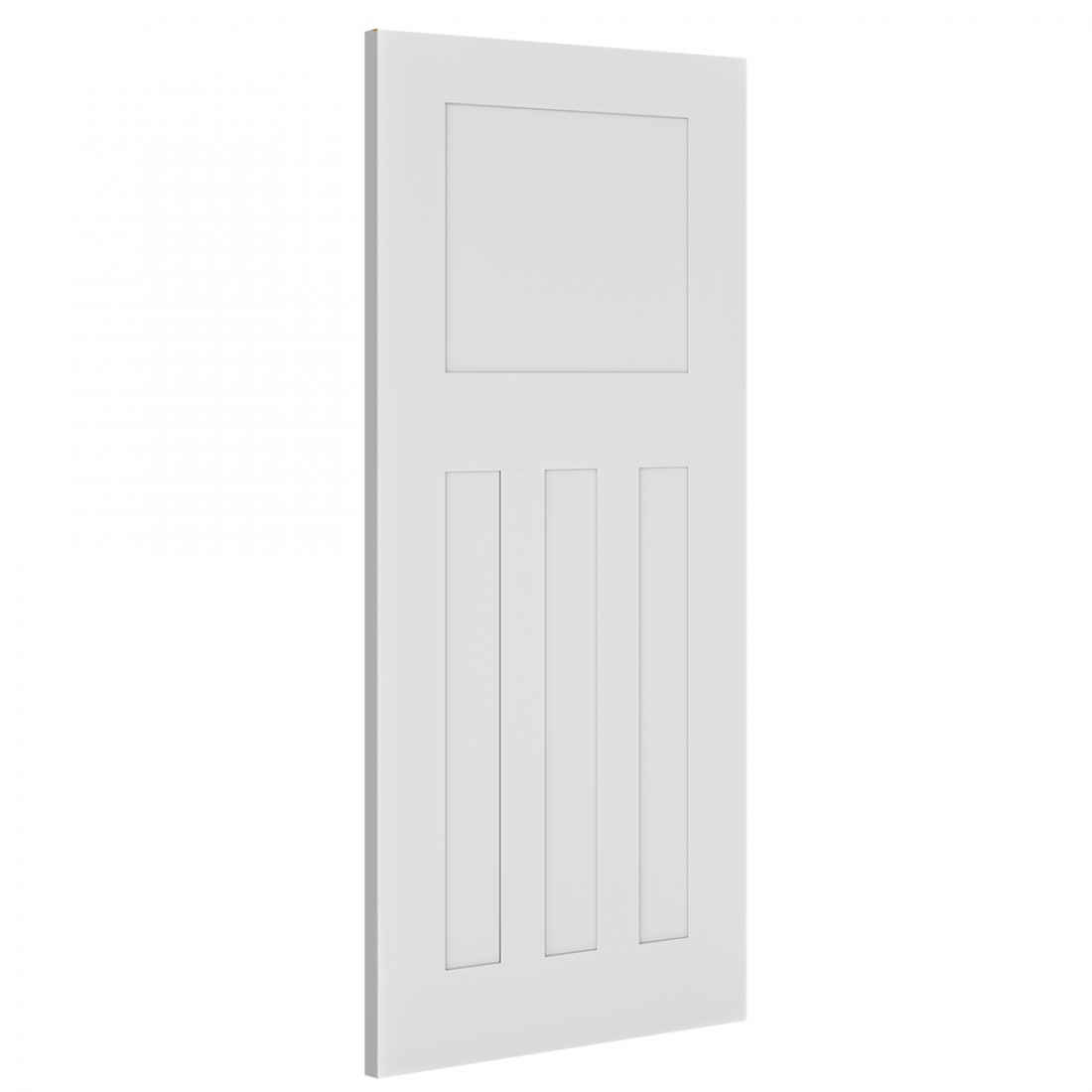
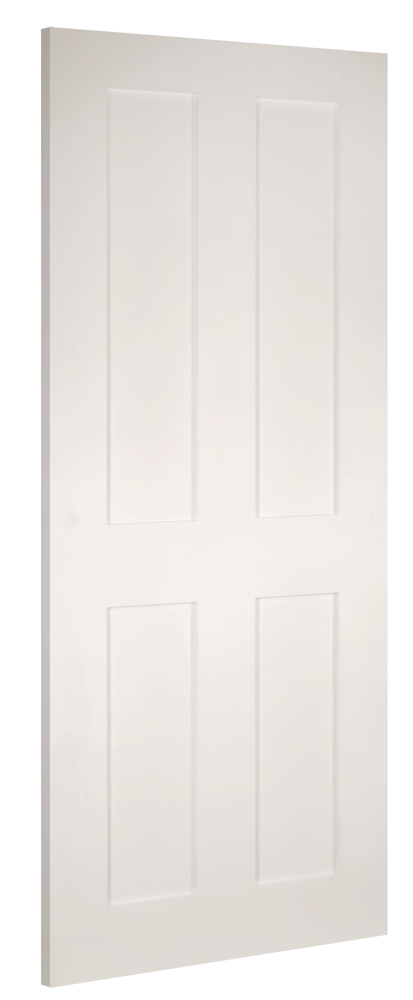
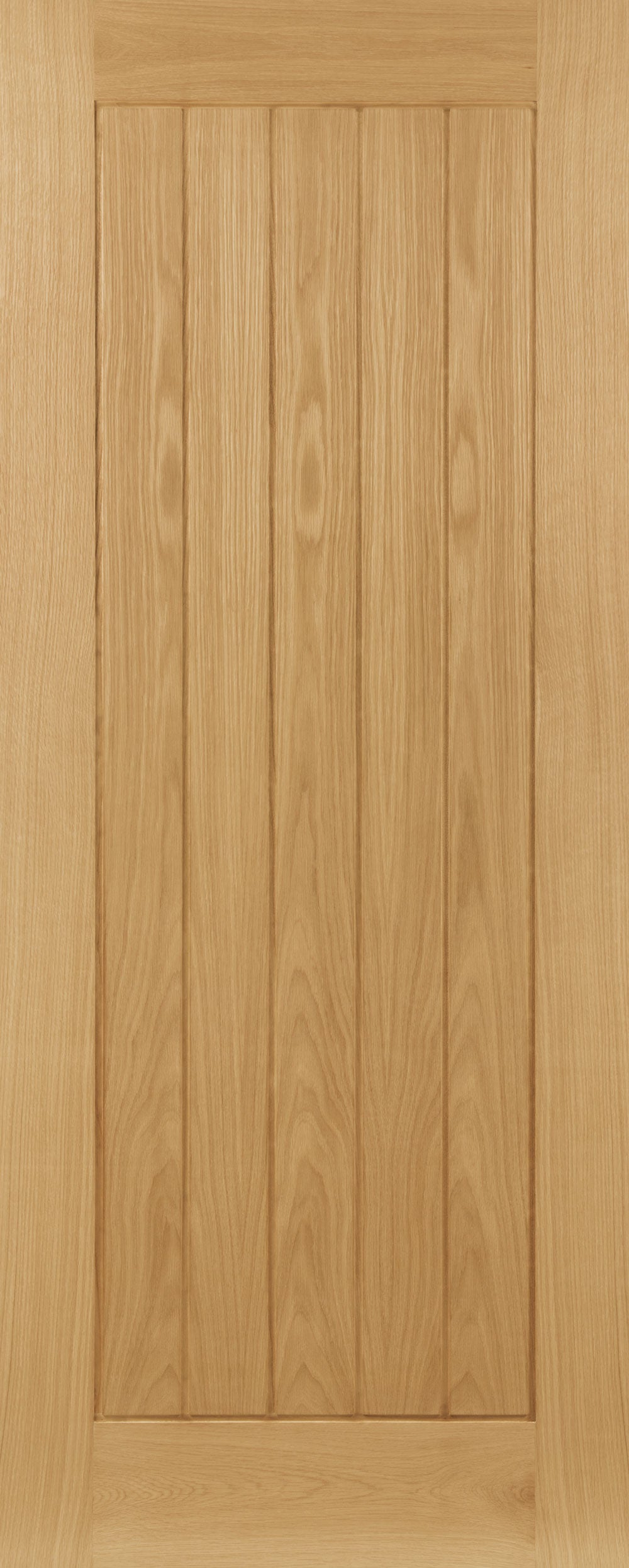
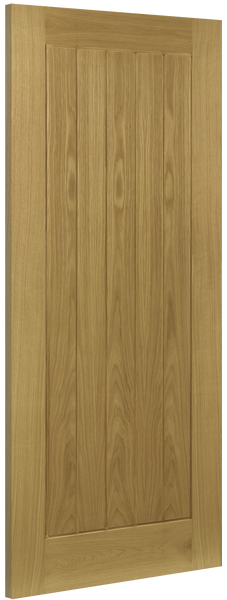
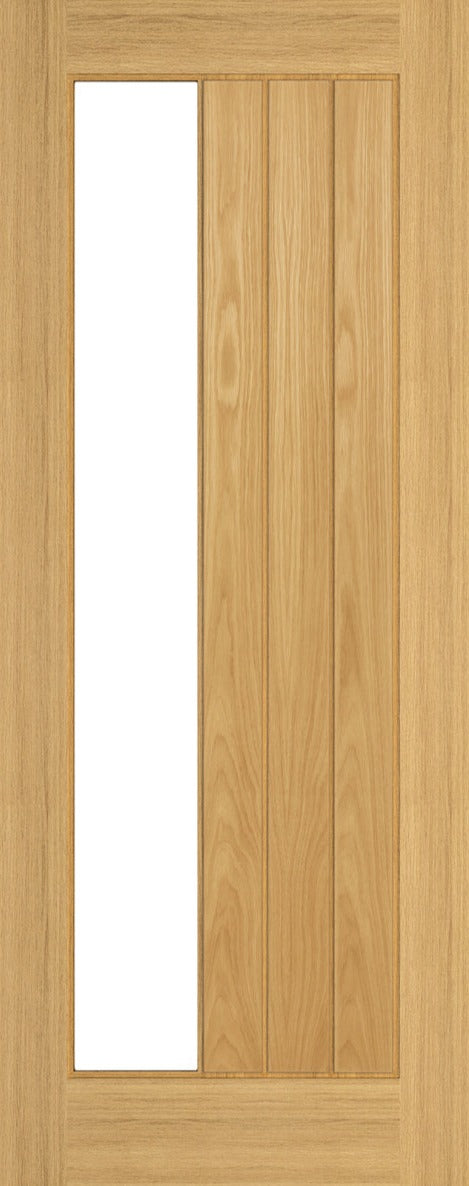
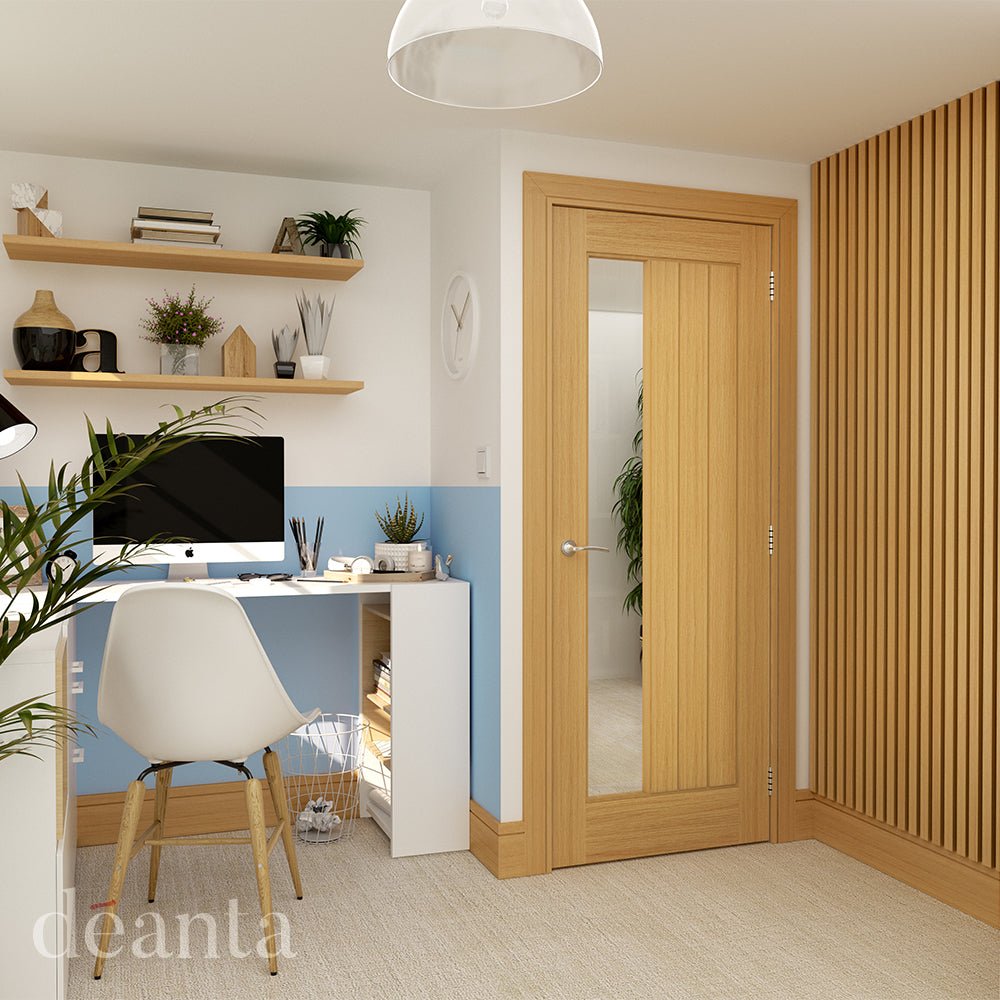
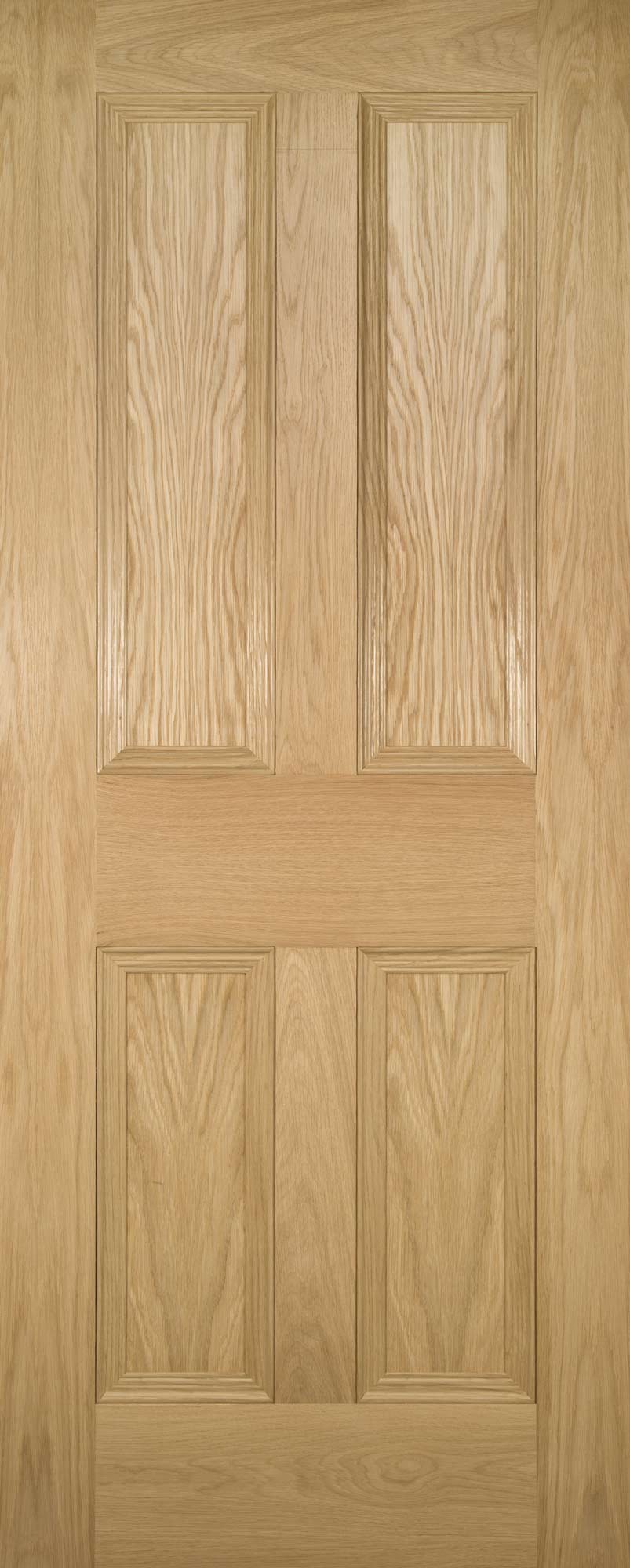
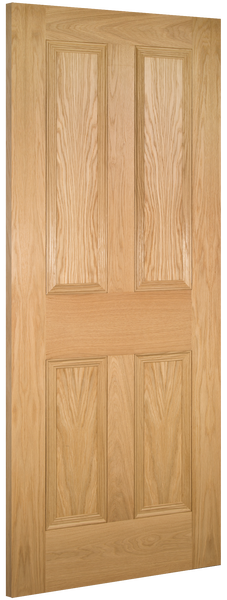
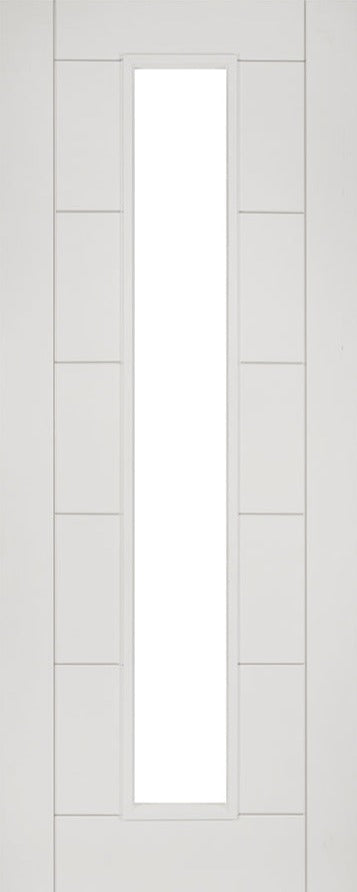
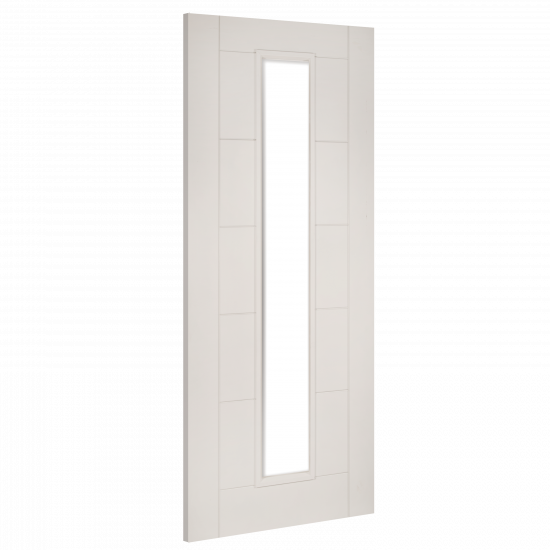
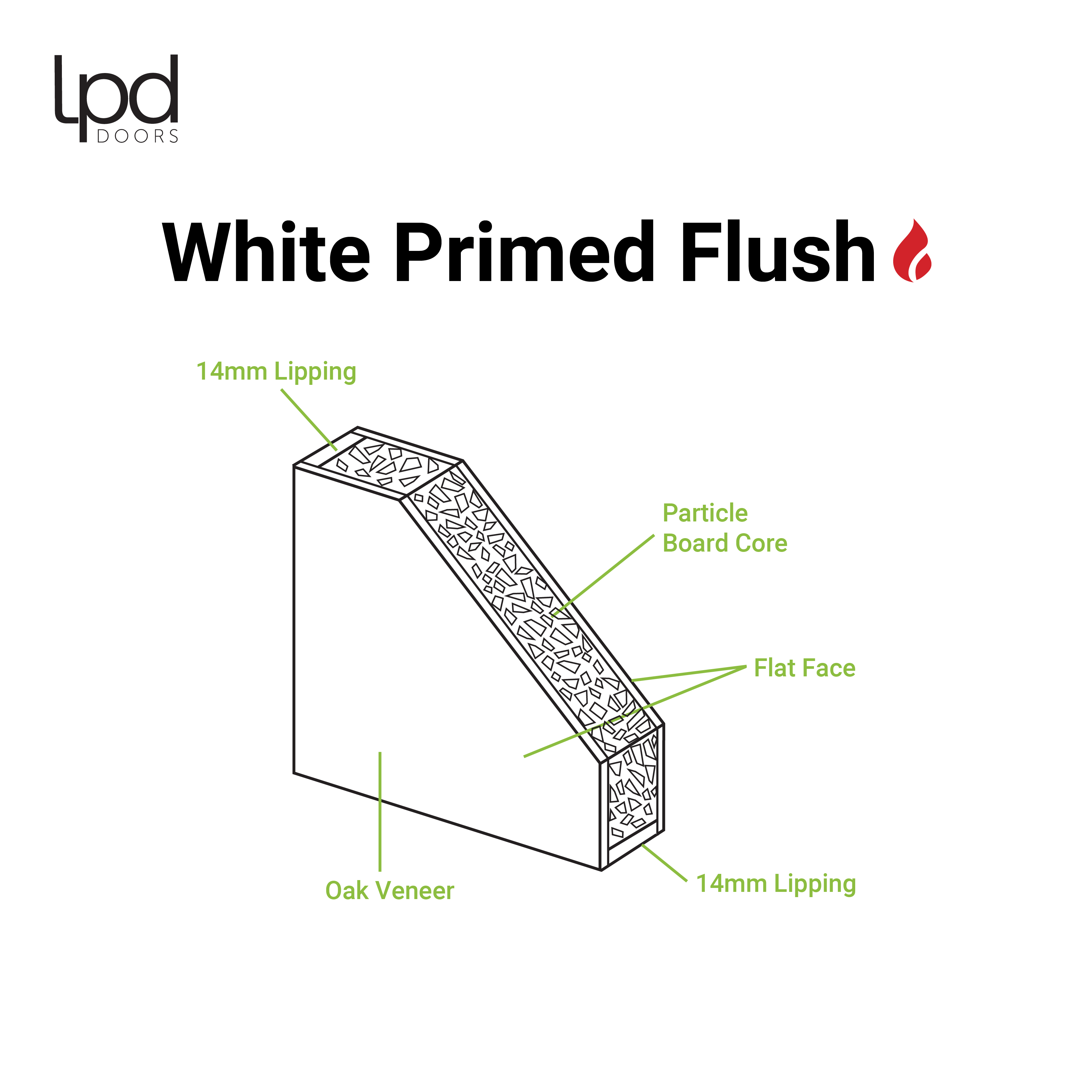
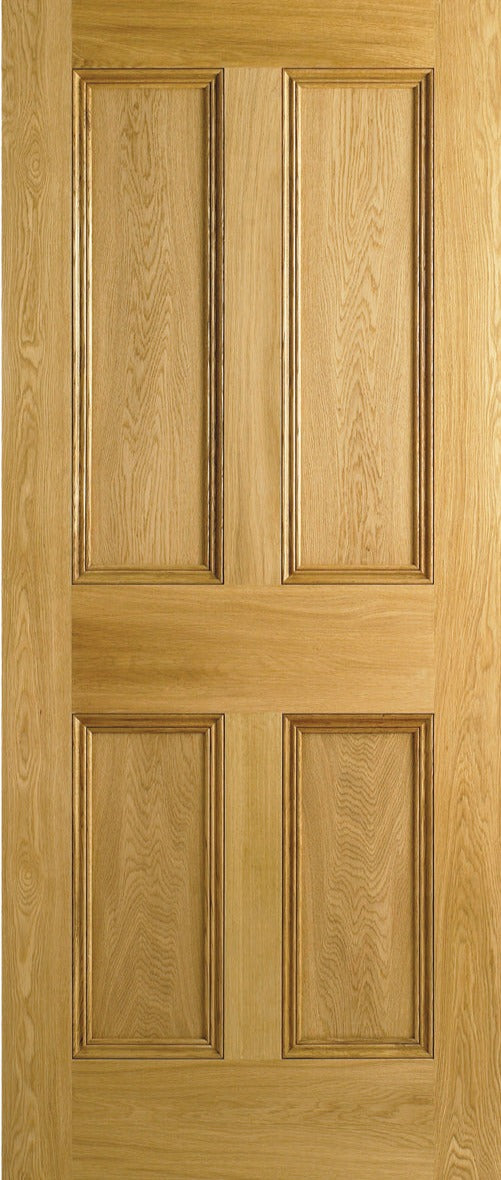
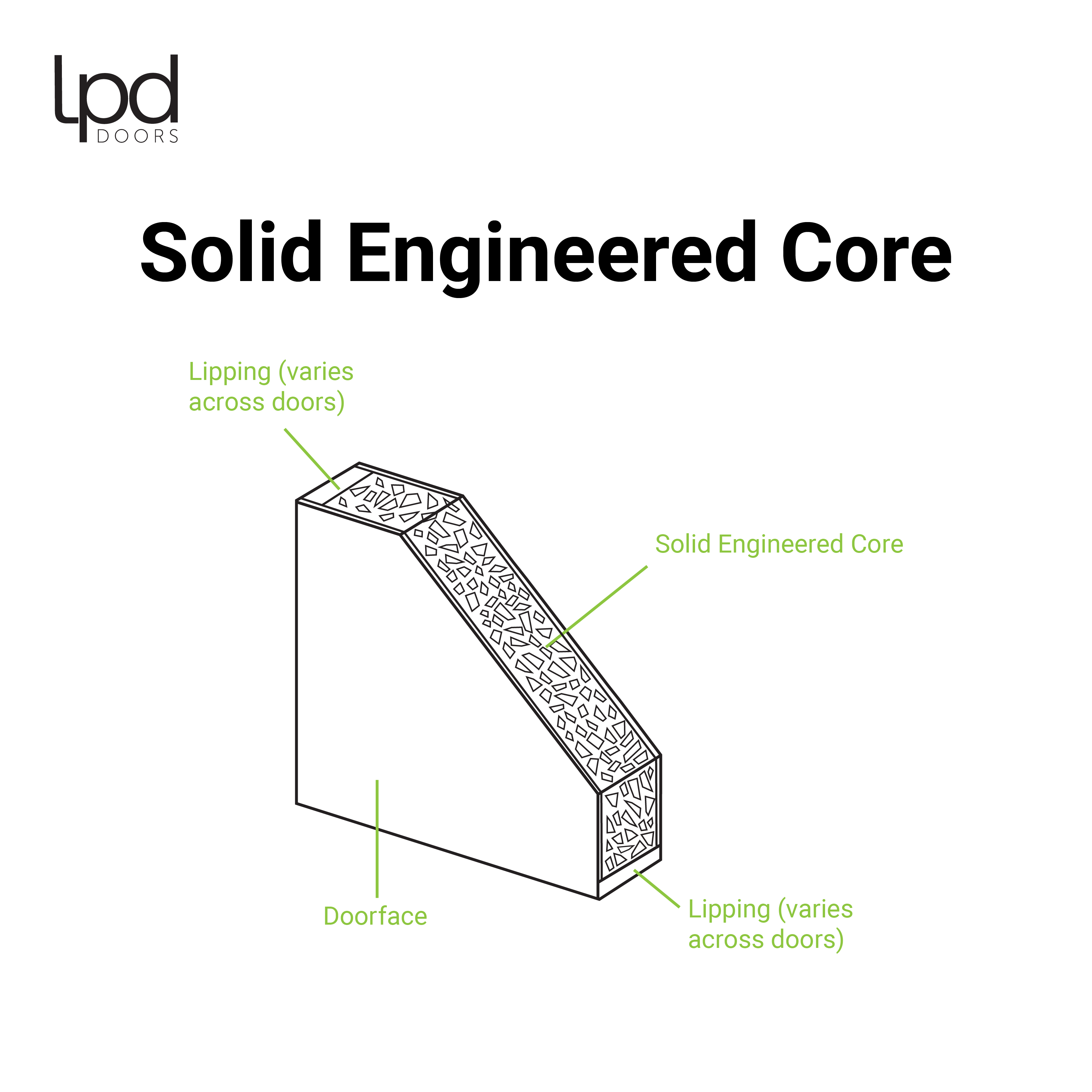
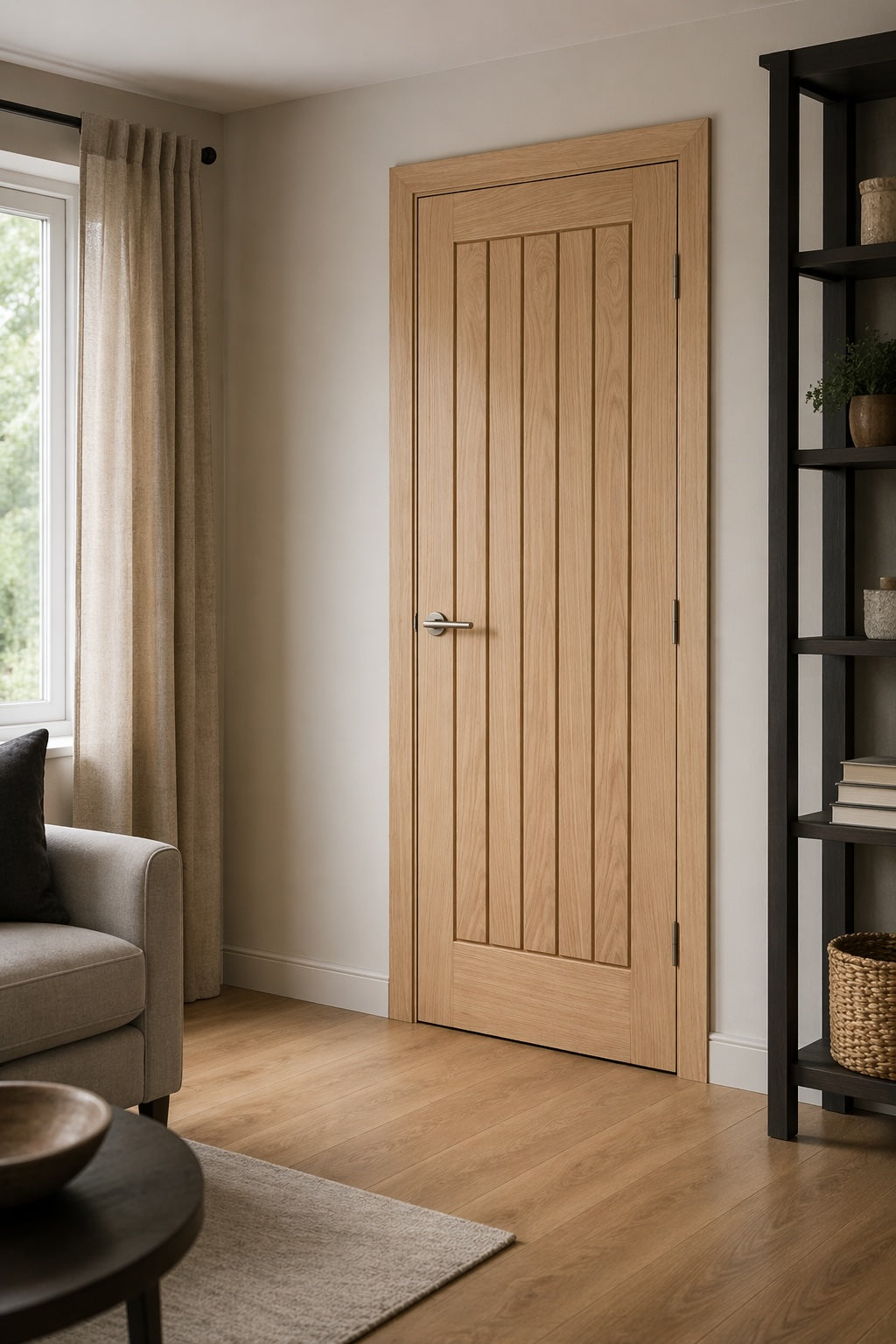
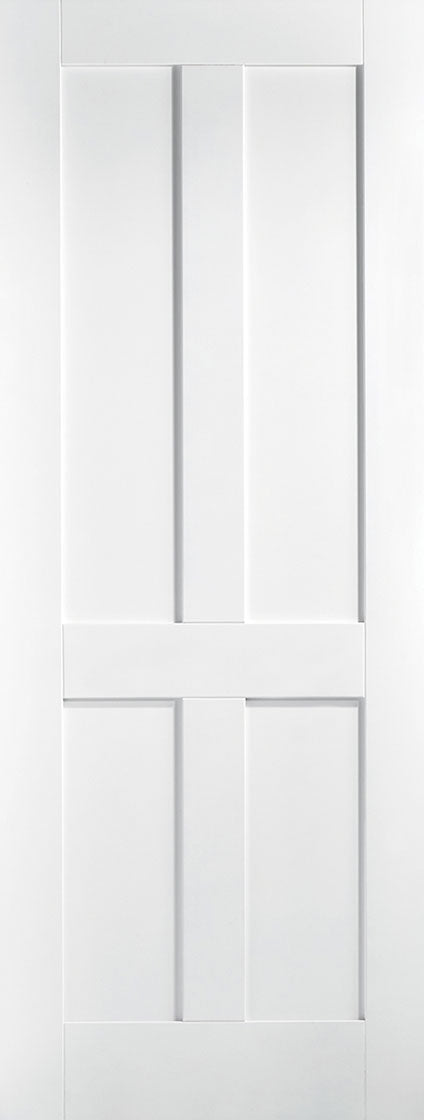
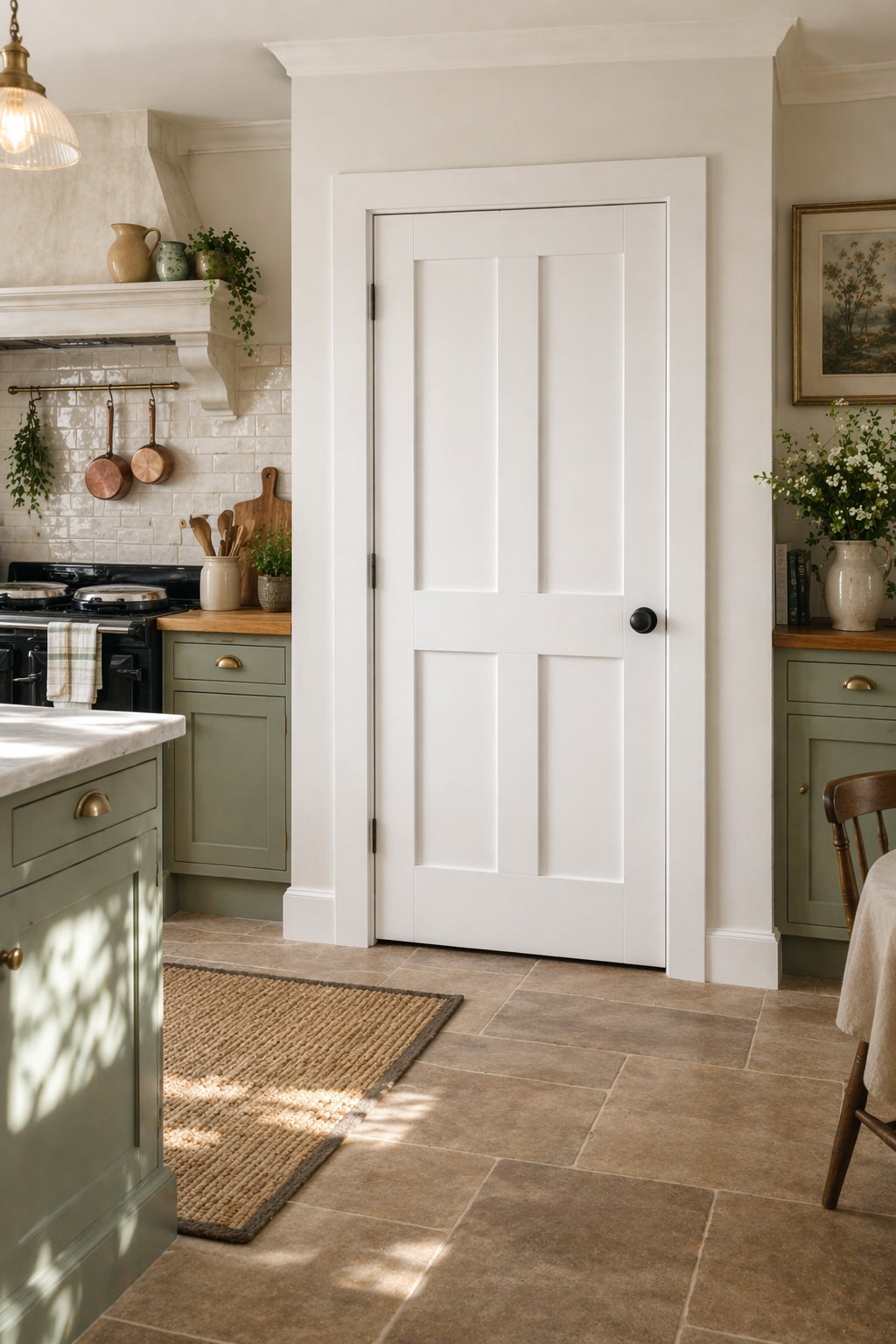
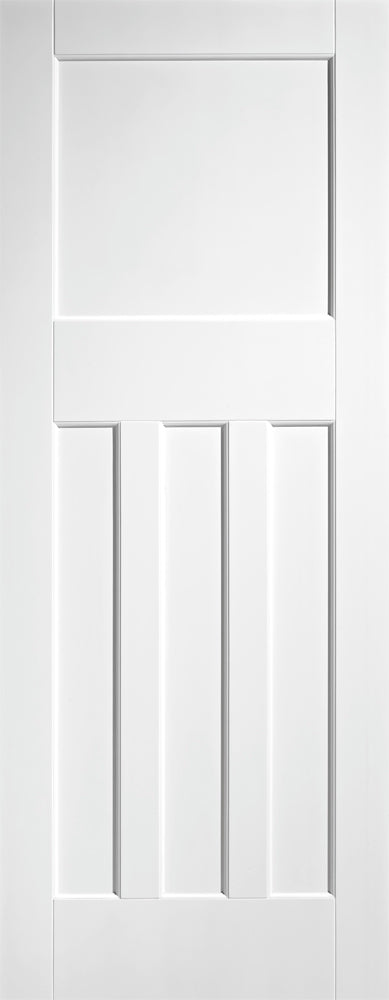
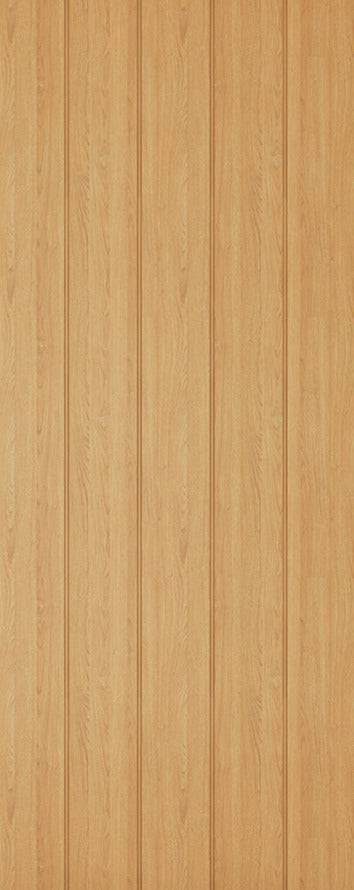
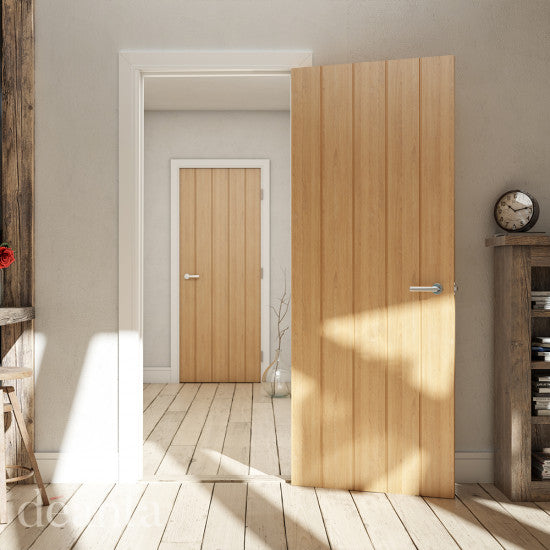
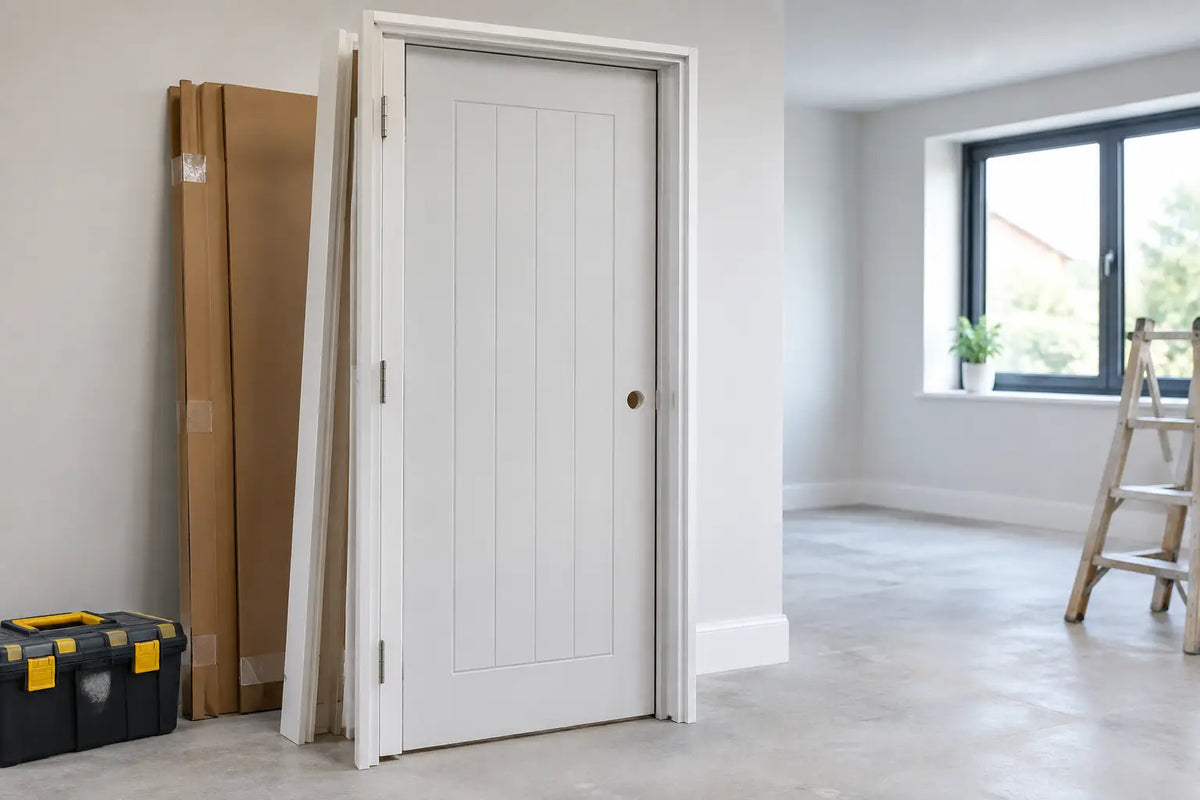
FD30 Internal Fire Doors are the most widely used fire-rated doors, designed to withstand fire for at least 30 minutes, providing critical protection and safe evacuation time in case of a fire emergency. These doors are 44 mm thick with a certified solid core—constructed and tested under BS 476‑22 1987 or EN 1634‑1 2014 standards—to ensure robust integrity and performance. FD30 fire doors are a crucial component of modern building safety. These doors are designed to protect life and property in the event of a fire by preventing the spread of fire, smoke, and heat from one area to another.
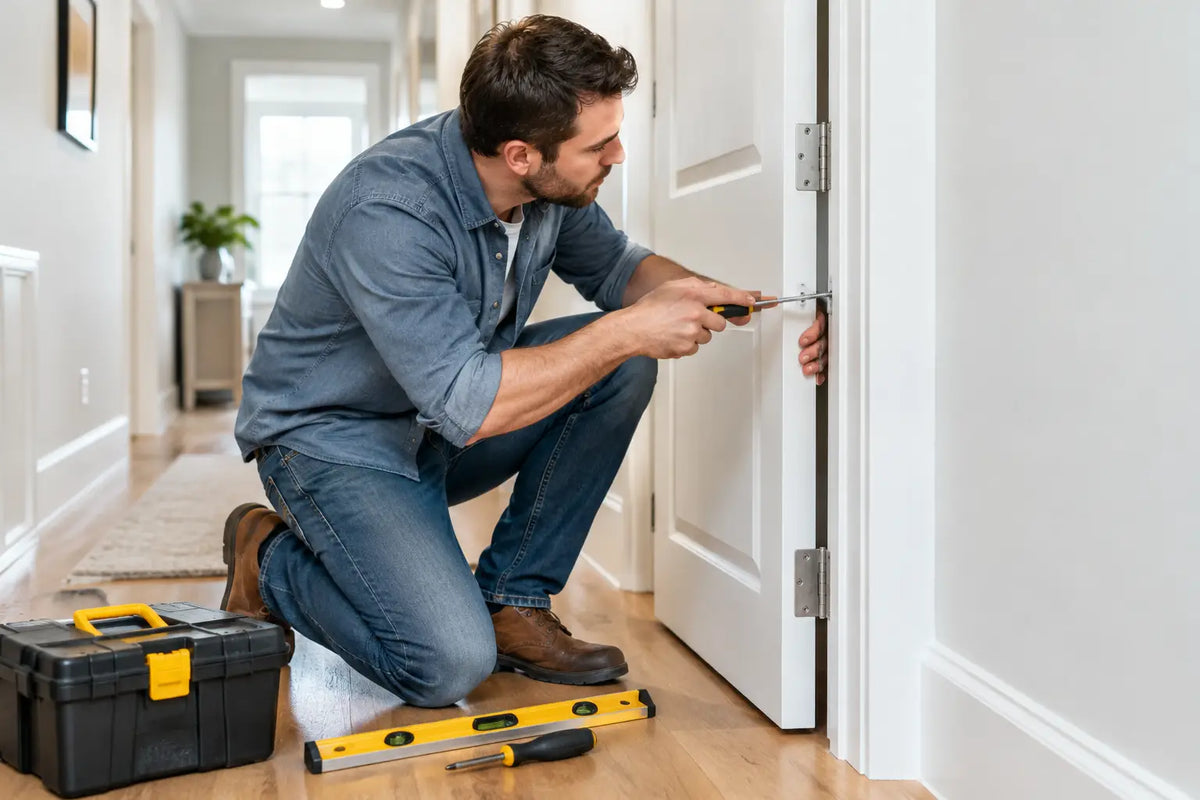
FD30 Fire Doors have specific requirements for installation, using necessary components such as hinges, handles, and seals. This ensures a precise fit and optimal performance in fire resistance. Many options come pre-finished, reducing installation time and effort, so you can quickly enhance your property's safety.
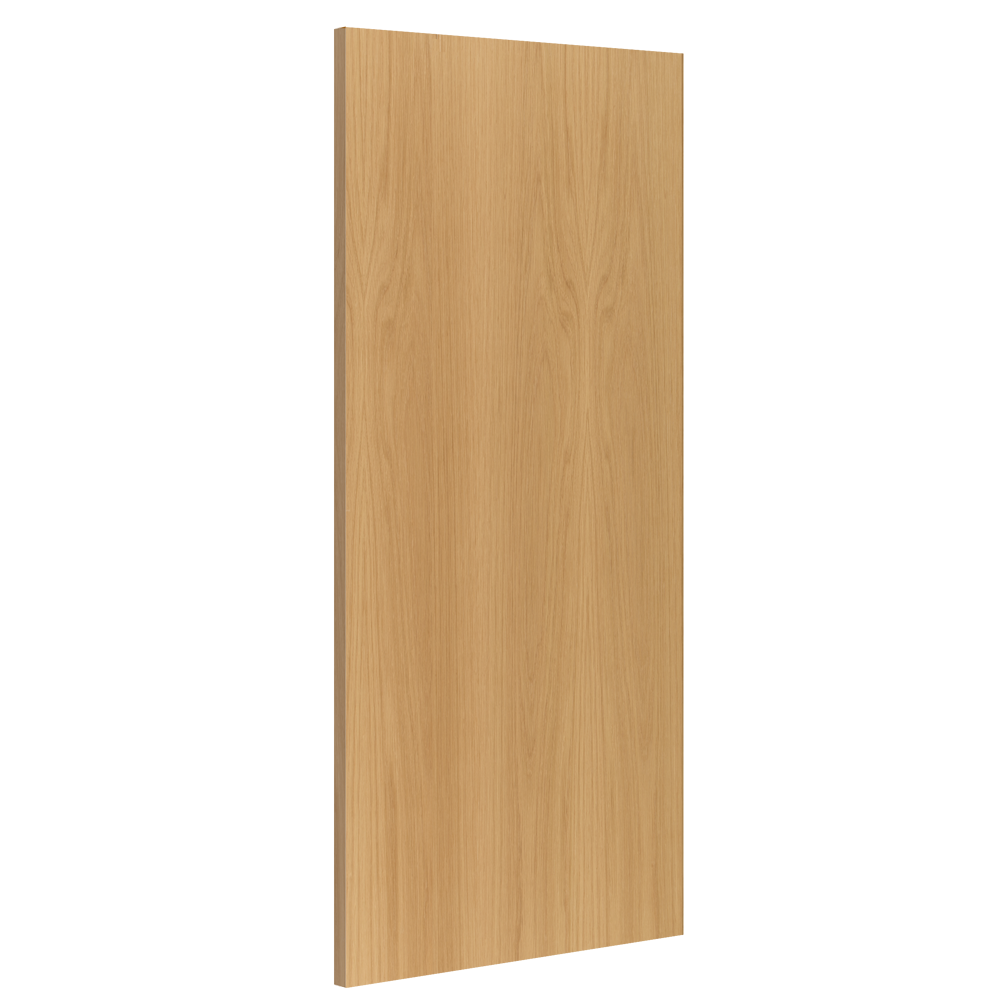
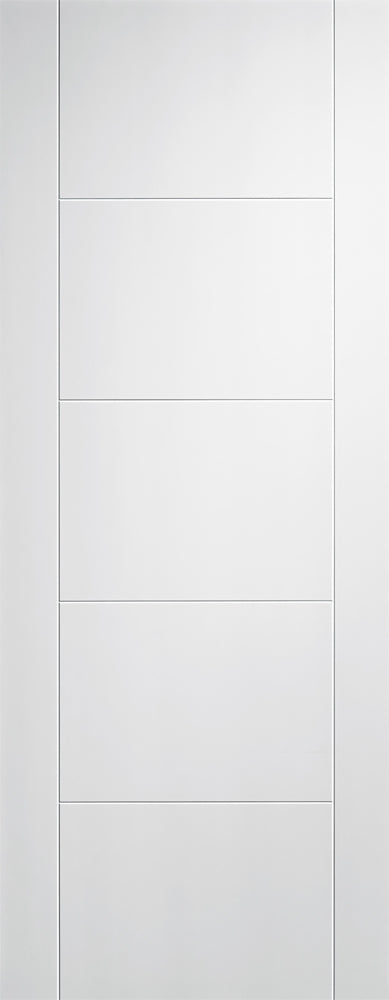
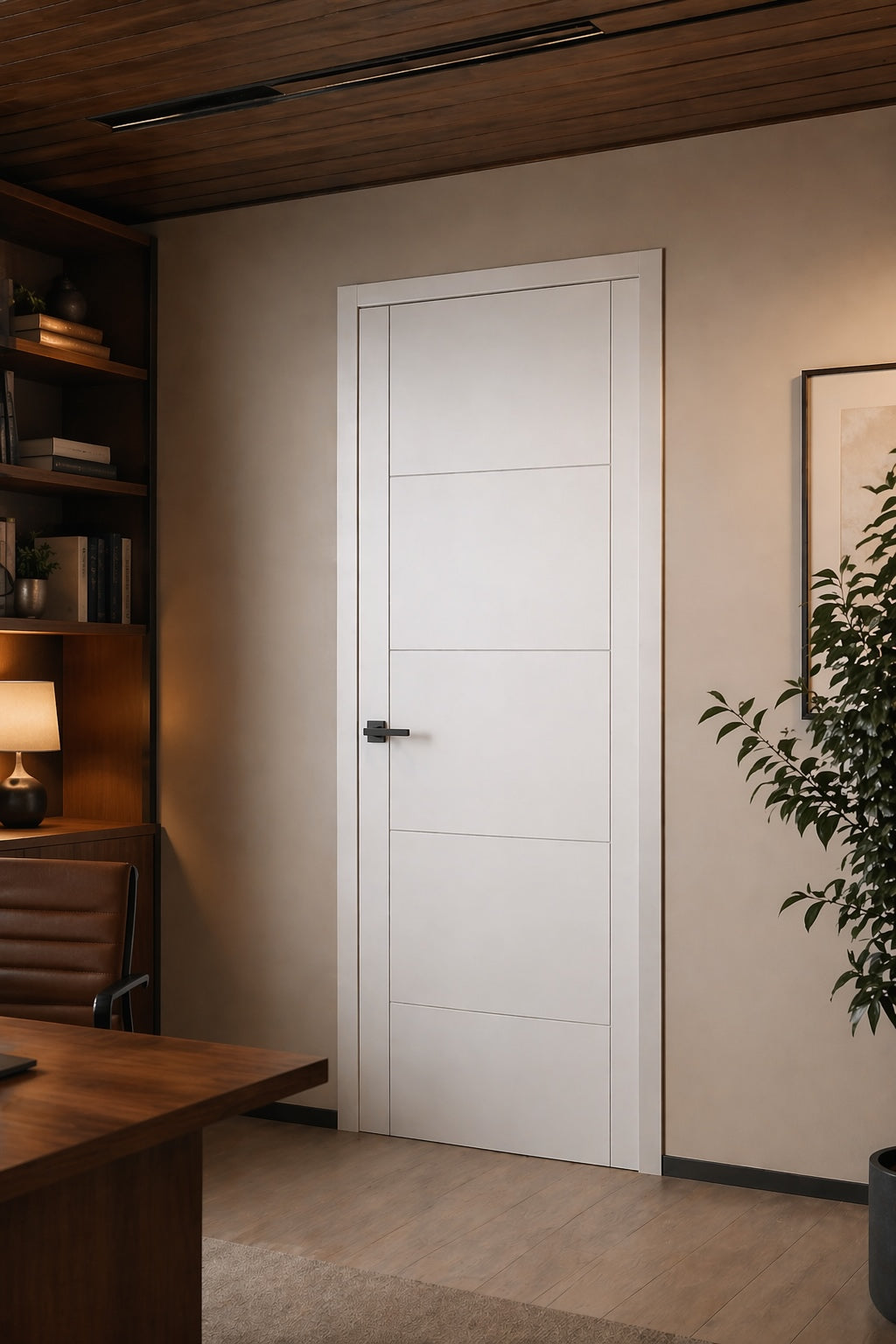
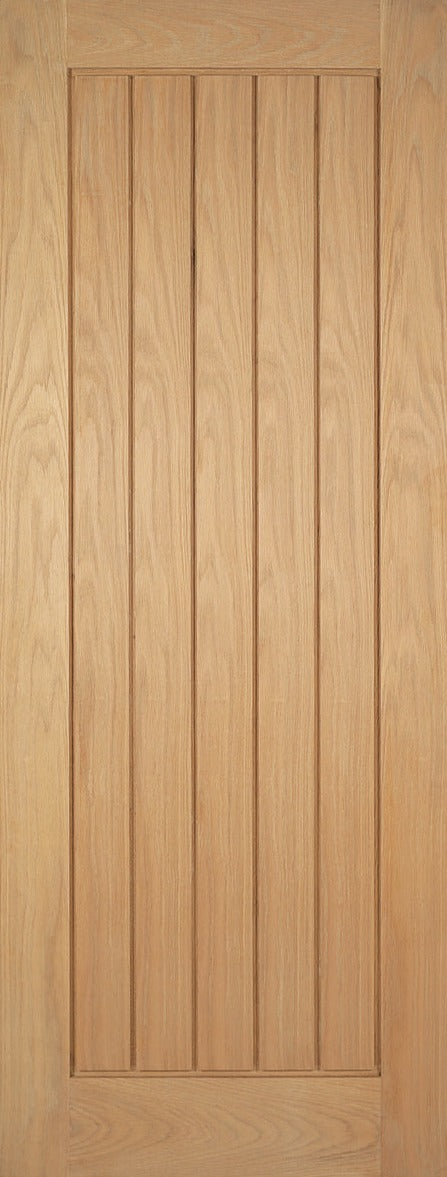
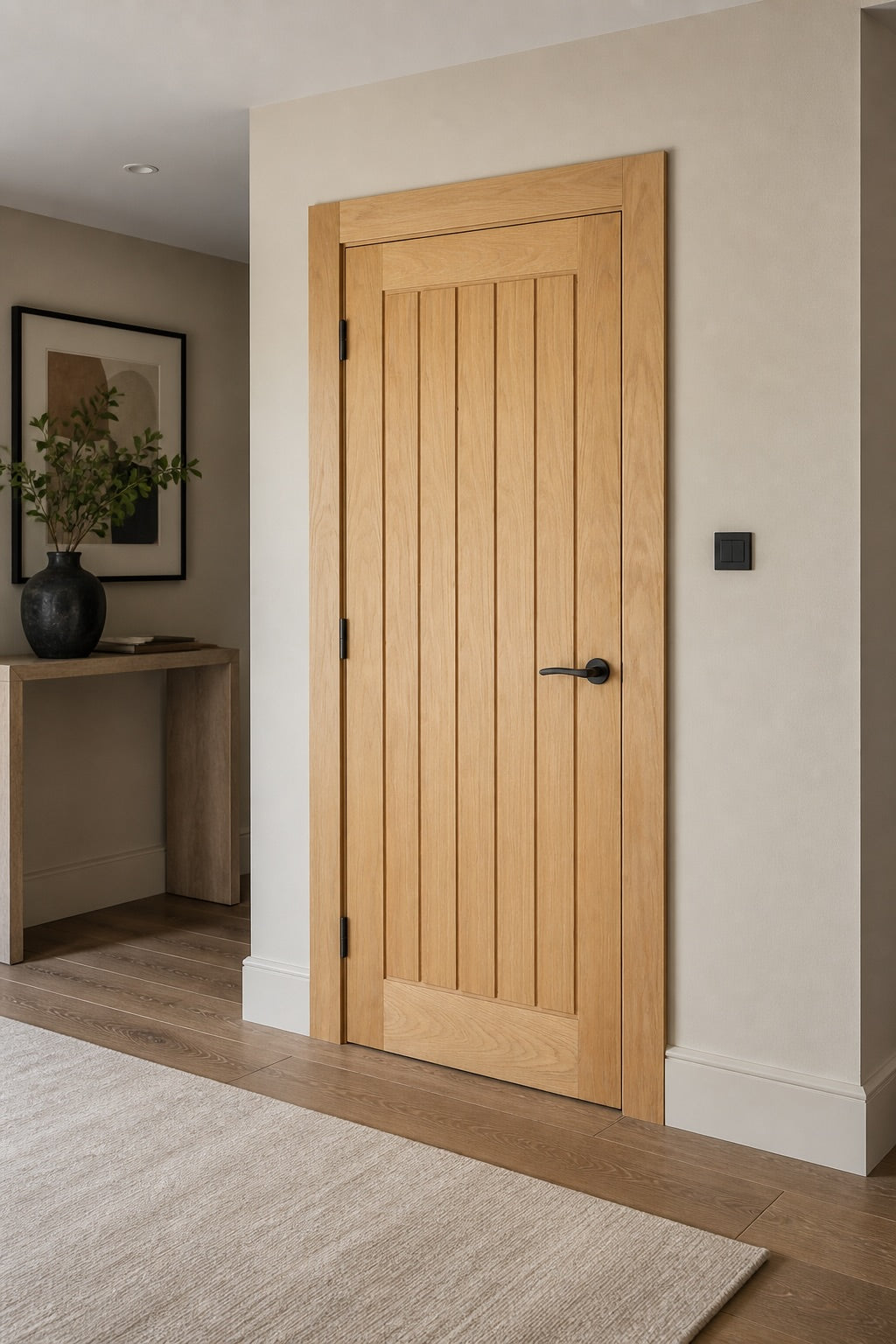
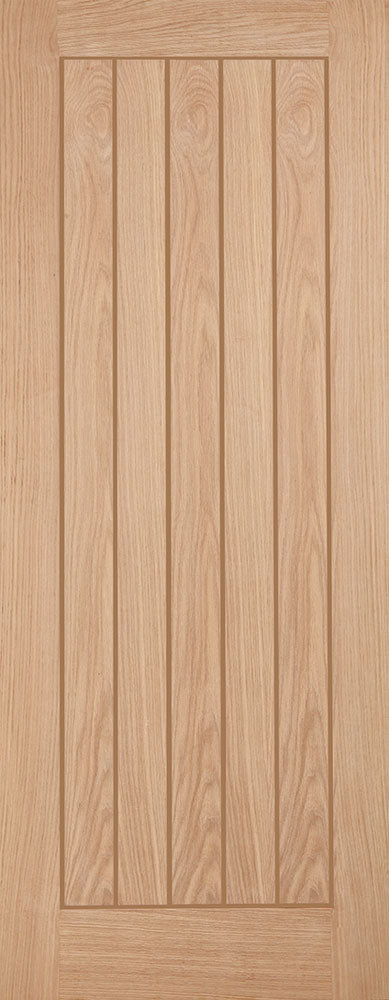
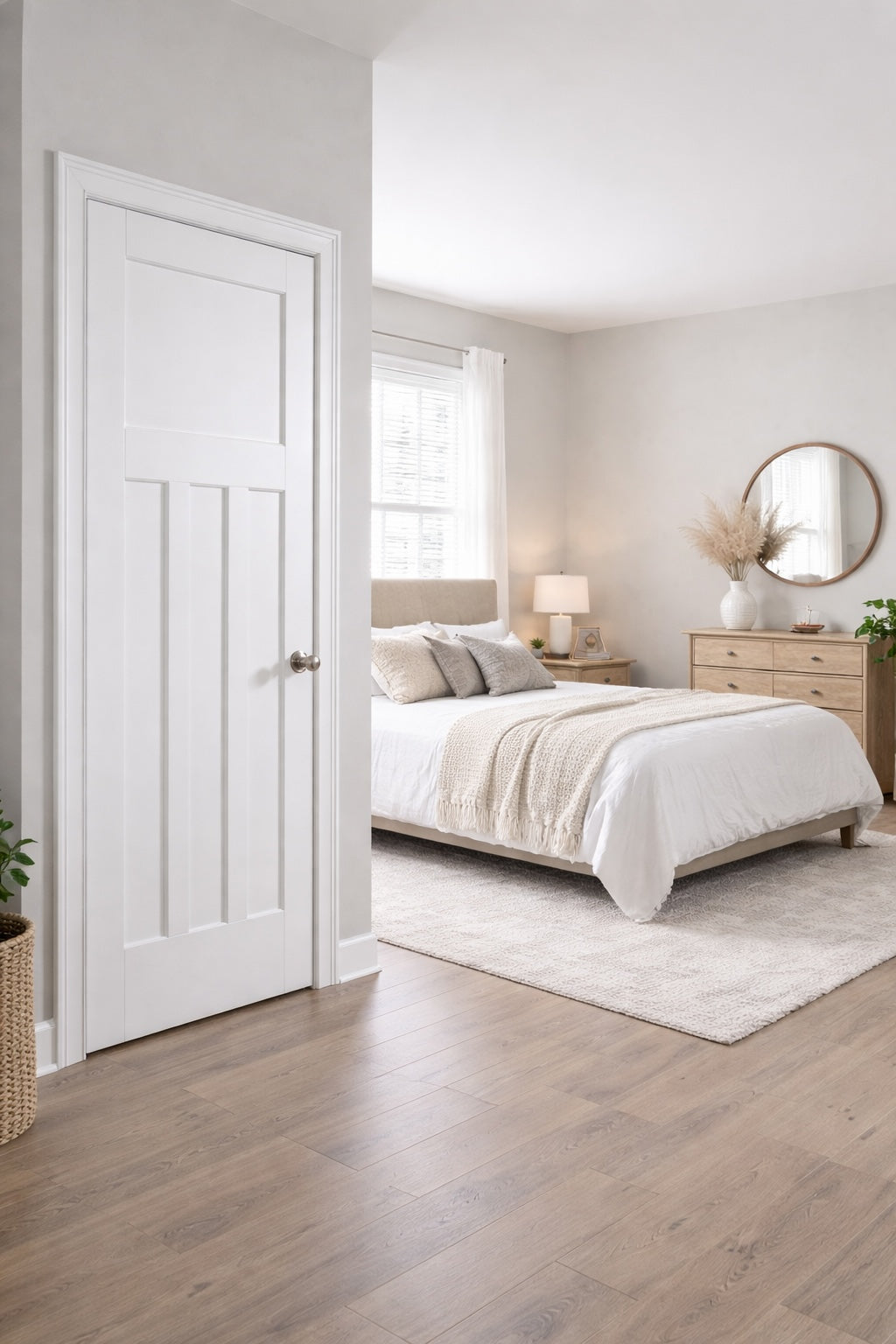
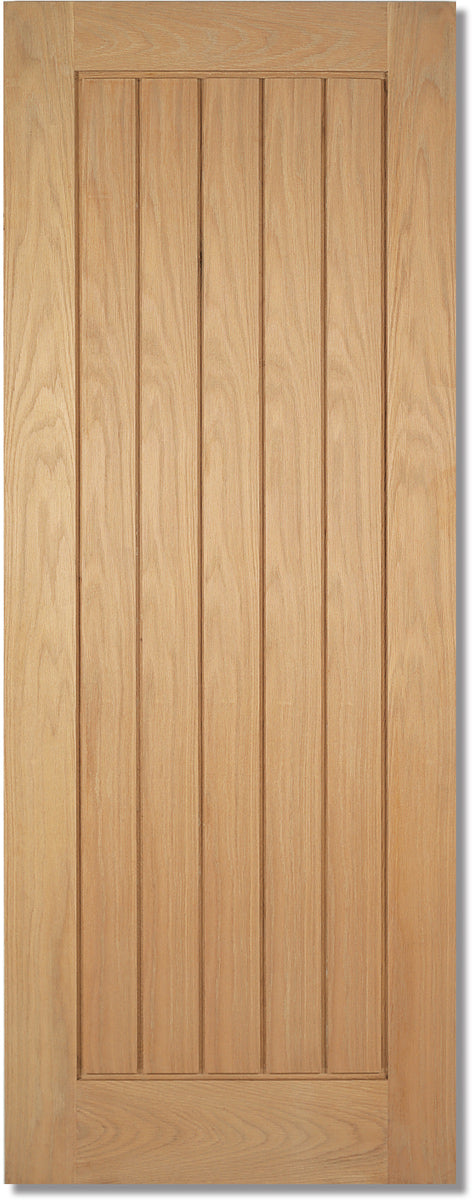
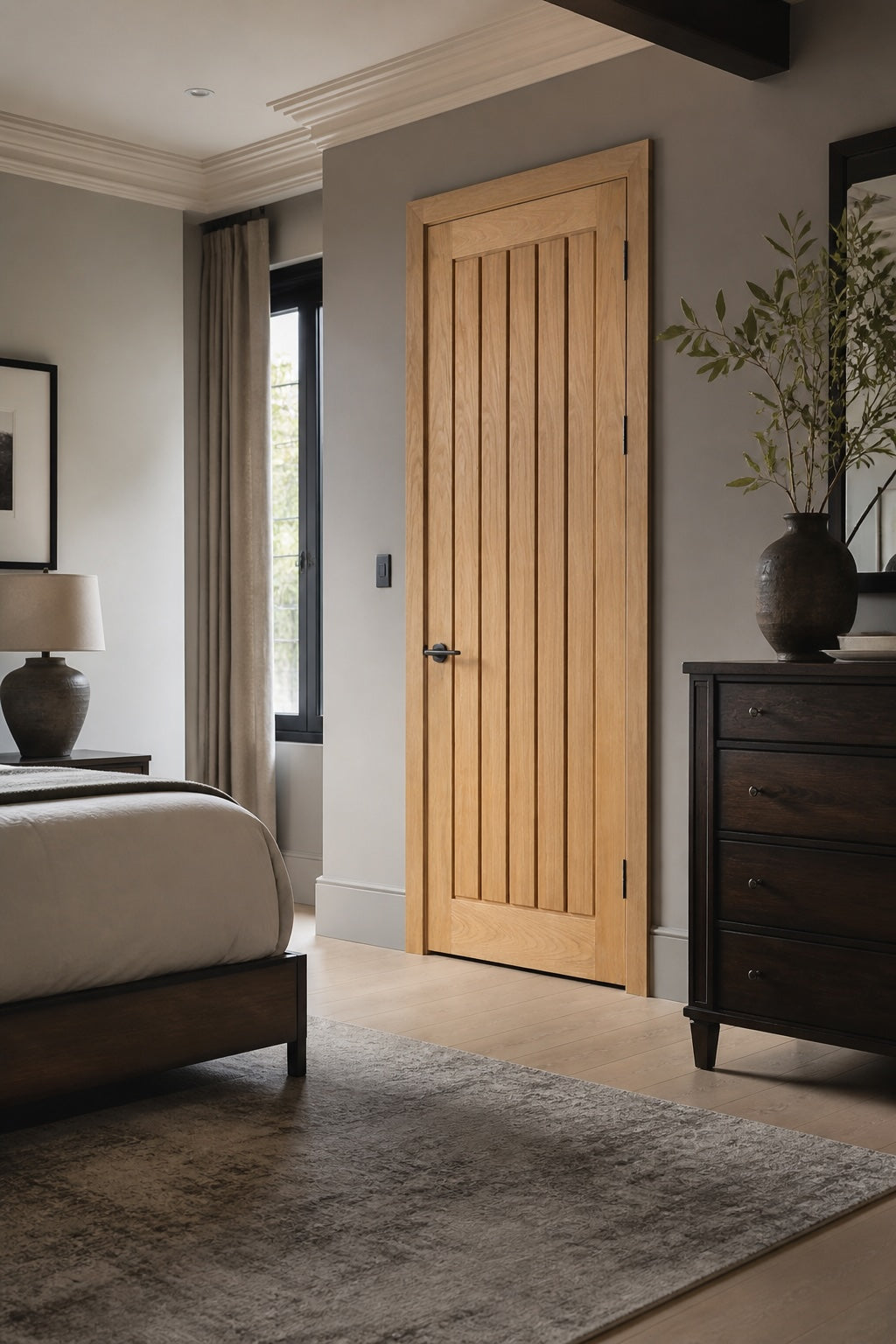
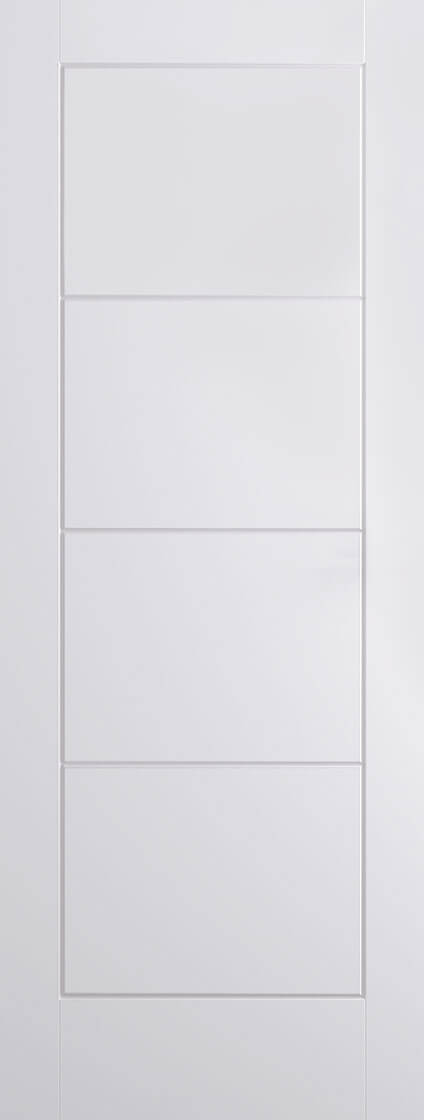
An FD30 door is a fire resistance certification, certifying a protective 30-minute fire door, withstanding the spread of fire and smoke for up to 30 minutes. Our fire door range includes a wide range of wood species and finishes including Oak fire doors, White fire doors, Walnut fire doors, and even some fire doors with glass (FD30 glazed fire doors).
How Do FD30 Fire Doors Work?
FD30 fire doors are engineered to act as barriers against fire and smoke, preventing their spread within a building. Here’s how they function:
Intumescent Seals: When exposed to high temperatures, these seals expand to fill gaps between the door and the frame, creating a tight barrier against fire and smoke.
Fire-Resistant Materials: The door’s core and surface materials are designed to withstand intense heat, maintaining structural integrity for 30 minutes.
Smoke Seals: Many FD30 doors include additional smoke seals, preventing toxic smoke from spreading, which is often the primary cause of fatalities in fires.
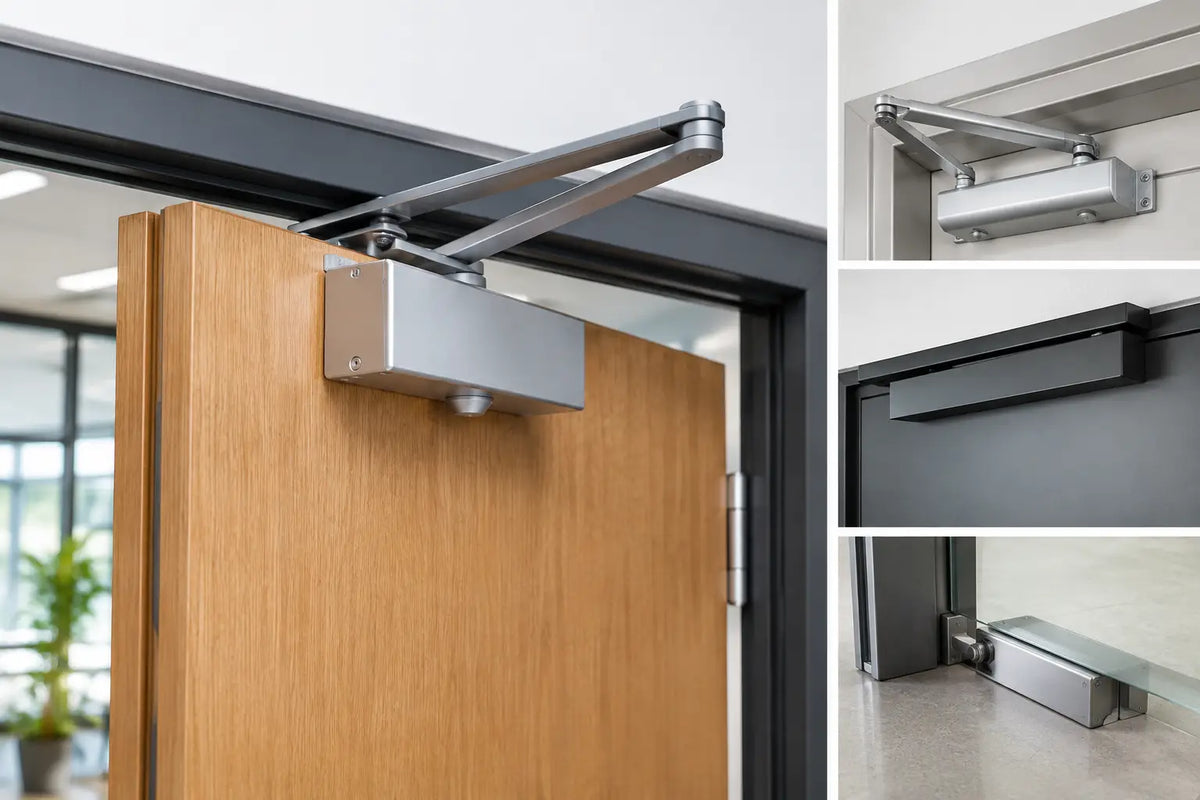
Self-Closing Mechanism: Ensures the door automatically closes after being opened, maintaining the fire compartment.
Differences Between FD30 and FD60 Fire Doors
While both FD30 and FD60 fire doors serve the same purpose of fire protection, their differences lie in their resistance capabilities, construction, and applications.
1. Fire Resistance Rating:
FD30 Fire Doors: Provide 30 minutes of fire resistance.
FD60 Fire Doors: Offer 60 minutes of fire resistance, making them suitable for higher-risk areas.
2. Construction:
FD30 Doors: Typically lighter and may use thinner materials while still meeting fire safety standards.
FD60 Doors: Built with thicker, more robust materials for extended resistance.
3. Applications:
FD30 Doors: Commonly used in residential properties, especially in internal areas.
FD60 Doors: Preferred in commercial and industrial settings or areas requiring higher protection levels.
4. Cost:
FD30 Doors: Generally more affordable due to their lower resistance rating and simpler construction.
FD60 Doors: Higher cost reflects their enhanced durability and fire protection.
Applications of FD30 Fire Doors
FD30 fire doors are versatile and suitable for various environments. Here’s where they are most commonly used:
1. Residential Properties:
Installed between living areas and garages.
Used in loft conversions to comply with UK building regulations.
Positioned in hallways leading to staircases for safe evacuation routes.
2. Small Commercial Spaces:
Ideal for office partitions and meeting rooms.
Used in small retail shops to separate storage areas from public spaces.
3. Public Buildings:
Schools and libraries use FD30 doors in low-risk areas to compartmentalise spaces.
Suitable for internal areas in hospitals and care homes where a 30-minute barrier is sufficient.
4. Multi-Occupancy Buildings:
Essential in apartment buildings to separate individual flats from communal corridors.
Installed in shared kitchen or utility spaces.
When specifying FD30 fire doors, it is therefore important to consider the complete installation rather than choosing a fire-rated door in isolation. The door leaf needs to be compatible with its frame and hardware, while hinges, locks, latches and door closers should be suitable for the particular fire-door specification. Where glazing is included, the glass and glazing system must also be appropriately tested and specified.
The relationship between the door and flooring is another practical consideration. Thick carpets, underlay, timber flooring, tiles or changes in floor level can affect the clearance beneath a fire door and may interfere with its ability to close correctly. A threshold or floor detail should therefore be considered alongside the doorset rather than added as an afterthought. The required clearances should always follow the door manufacturer's installation instructions and certification.
Door ironmongery is equally important. Hinges need to be suitable for the door's weight and fire performance, while latches, locks and handles must be compatible with the certified assembly. A suitable door closer may also be required to ensure the door returns fully into the frame and the latch engages after use. For communal areas, flats, offices and other busy buildings, accessibility and frequency of use should also be considered when selecting hardware.
FD30 fire doors are generally designed to provide at least 30 minutes of fire resistance, helping to restrict the spread of fire and provide valuable time for evacuation and emergency response. Depending on the product and certification route, fire doors may be tested to standards such as BS 476-22 or EN 1634-1. The precise rating, construction, thickness and components should always be checked against the individual manufacturer's certification rather than assumed from the FD30 label alone.
A correctly specified FD30 internal fire door should therefore be viewed as a complete system. From the door leaf and frame to the hinges, seals, handles, closer and surrounding floor detail, every component needs to be appropriate for the intended application. Getting these details right helps maintain the door's certified performance while ensuring it remains practical, durable and easy to use every day.
FD30 Fire Doors: Your Ultimate Guide to Safety and Protection
There are numerous benefits to installing internal fire doors in your home or business, including:
Fire Resistance: FD30 internal doors are designed to prevent the spread of fire and smoke for up to 30 minutes, providing crucial time for evacuation and firefighting efforts.
Improved Soundproofing: Many FD30 doors are designed to provide a high level of sound insulation, making them ideal for use in areas that require increased privacy or soundproofing due to their increased thickness.
Enhanced Safety: FD30 fire doors should be equipped with fire-resistant hinges and latches, ensuring that the door remains in place and secure during a fire.
Cost-effective: FD30 fire doors are a cost-effective solution for improving the fire safety of your home or business, and they can usually be integrated into existing building design.
FD30 Internal Fire Doors FAQs
An FD30 door is a fire-resistant door, providing protection for a minimum of 30 minutes. The door has been tested for the maximum time, receiving a fire-safe certification. An internal FD30 door is designed to prevent the spread of fire and smoke for up to 30 minutes.
An internal FD30 fire-rated door is designed to prevent the spread of fire and smoke (FD30S) it should be able to do this for a minimum of 30 minutes to gain its fire-safe certification.
Fire doors are available in either an FD30 or FD60 rating. An FD30 fire door is the most popular choice, it provides 30 minutes of protection from a fire. Slowing the spread and while allowing for 30 minutes of evacuation time the doors are 45mm thick. FD60 doors are 54mm thick and allow for 60 minutes of protection and evacuation time. FD60 doors are usually used in high-rise buildings or can be used in homes where occupants may need as much time as possible to evacuate.
Yes, FD30 fire-rated doors can often be installed in existing buildings, but an appropriate professional should be consulted.
Yes, FD30 Fire Doors are compliant with UK fire safety regulations, including BS 476 Part 22 or EN 1634 standards. These certifications ensure that the doors have been rigorously tested and meet the required fire resistance criteria.
55,000+ Happy Customers & 1,050+ Reviews
Join thousands of UK homeowners who rate us “Excellent” on Trustpilot.
30-Day Money-Back Guarantee
Changed your mind? Return unused doors within 30 days for a refund.
Made to Order Available
Many doors can be made to your exact measurements and finished by our in‑house team.
Expert Help, 5 Days a Week
UK-based door specialists on the phone to help you choose the right door and size.
Fast, Fully Insured Delivery
Quick delivery across mainland UK, fully covered against transit damage.
Professional Fitting Available
Ask our team to arrange trusted local fitters for seamless installation.