
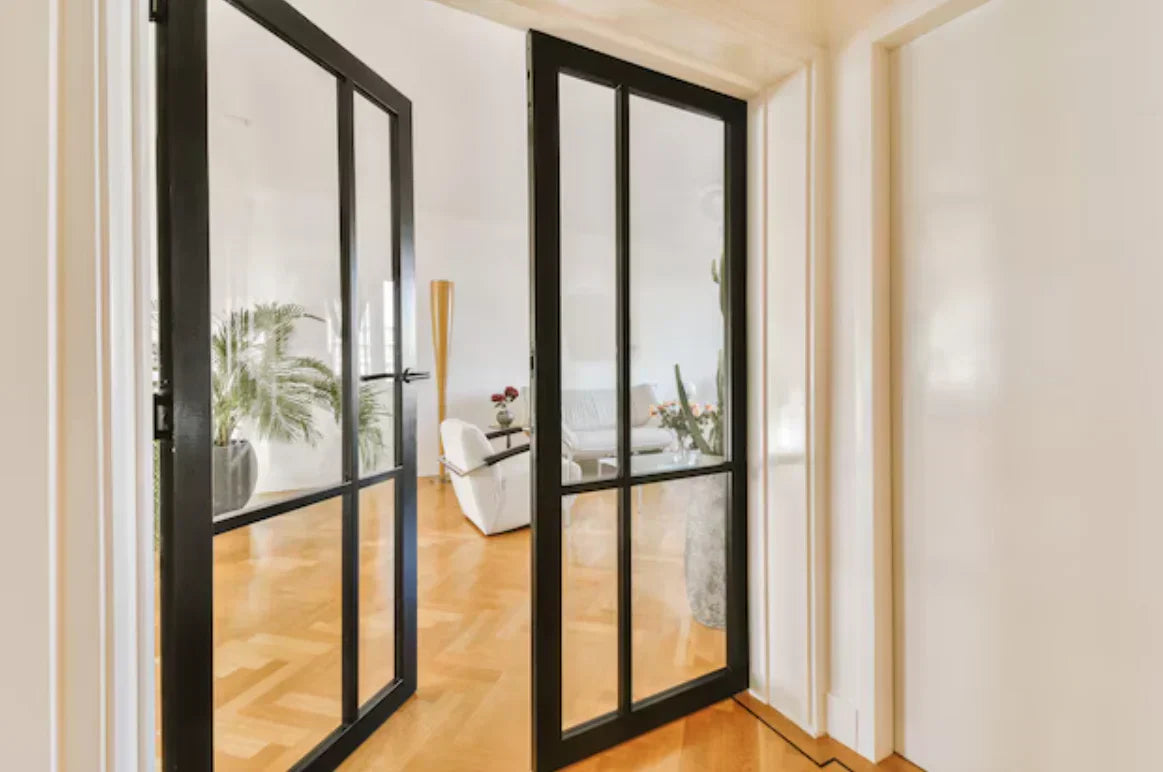
Selecting the ideal external door for your house involves considerations such as privacy, light, security, and aesthetics in addition to colour and style. Choosing between clear-glazed and obscure-glazed external doors is one of the most crucial choices you will have to make. Written for homeowners in the UK, this guide will discuss the benefits and disadvantages of each type of glazing, explain what to look for in terms of materials and specifications, and offer helpful tips for installation, upkeep, and security compliance.
Whether you're doing a complete makeover, upgrading a back or patio door, or replacing your front door, you'll finish knowing:
- What clear and obscure glazing are and how they differ
- When and where each glazing option is appropriate in UK homes
- How glazing affects light, privacy, security, energy efficiency and style
- Key features and certification to look for
- How to make your choice given your home’s layout, orientation and usage
Let’s begin by clarifying what’s meant by “clear-glazed” and “obscure-glazed”.
1. What Do “Clear-Glazed” and “Obscure-Glazed” Doors Mean?
Clear-Glazed Doors
The term "clear-glazed" refers to a door's transparent glass panels, which maximise light transfer and provide almost unhindered views through the glazing. This can be top lights above the entrance, sidelights (panels to the side of the door), or full-glass panels in doors. Clear glass is frequently utilised to link interior and outdoor areas or to create a bright, inviting entryway.
Obscure-Glazed Doors
Glass that has been etched, patterned, frosted, or textured to let light through while concealing details and visibility is referred to as "obscure glazing." It diffuses the view and is frequently utilised in situations when privacy is crucial, such as when facing a public path, a close boundary, or neighbours. Mount Everest
Obscure glass may come with privacy ratings (for example 1–5) depending on how much detail is obscured. Everest+1
Key Differences Summarised
| Feature | Clear Glazing | Obscure Glazing |
|---|---|---|
| Light entry | Maximum | High, but more diffused |
| Visibility through glass | High – you can likely see in and out | Limited – view is blurred or hidden |
| Privacy | Lower | Higher |
| Visual connection / aesthetic openness | Strong | More controlled |
| Typical use cases | Front doors with sidelights, patio doors, entrances where view is wanted | Doors facing boundaries, bathrooms, side entrances, pathways, where privacy is key |
2. Why Glazing Choice Matters for External Doors
Your external door's glazing selection has an impact on more than just appearance. Let's examine the crucial elements.
A. Natural Light & Visual Connection
More natural light can enter your hallway, vestibule, or adjacent room when you choose a clear-glazed door. This can give the impression that a frequently little entrance appears bigger and cosier. Additionally, it maximises the visual connection between the inside and outside, making it perfect for back doors that open onto patios or gardens. For example, big glass panels or first-light windows are common in contemporary homes because they let in an abundance of natural light.
However, you might want more control over visibility and light diffusion if your door faces a busy road, a neighbour's property, or you're worried about heat loss. This is where obscure glazing shines.
B. Privacy
Clear glass works best when the view is advantageous, but privacy becomes a big issue if you live in an inner city, on a terraced home, or on a property that is overlooked. Although obscure glazing lets light in, it prevents your home from having clear sightlines. You might not have a complete perspective of the outside world, but privacy might be more important. This balance is emphasised by several door suppliers: "Our external front doors with obscure glass are just for you if you're looking for the perfect balance between privacy and natural light.
C. Security & Safety
Glazed doors have to adhere to safety regulations. For instance, glazed panels that cover huge areas or are low down must utilise laminated or toughened glass.
The choice of glazing might also be influenced by security concerns. Some homeowners are concerned that having clear glass makes internal characteristics obvious to onlookers, which could increase vulnerabilities. By hiding your interior from view, obscure glazing can lower perceived risk. For added security, some manufacturers also provide laminated textured glass.
D. Thermal Efficiency & Energy Performance
The type of glazing influences both performance and daylight. In the UK, U-values for thermal efficiency are listed on a lot of contemporary doors. A fully glazed obscure door, for instance, might have a U-value of 1.3 W/m²K.
Depending on the direction and type of glass, clear glazing may let in more light, but it may also allow for more heat absorption or escape. If the glass is well-specified, obscure glazing may somewhat impact daylighting or heat input by reducing visible light entering, but in many circumstances, this change is insignificant.
E. Visual Aesthetic & Architectural Style
The architecture and style of your house should be complemented by the glazing you choose. Instead of full-height clear glass, tiny panels or patterned opaque glass might look better on a traditional Victorian or Georgian property. However, full clear glass that highlights indoor/outdoor flow may be beneficial for a modern home.
F. Regulatory & Planning Considerations
If your door connects to a side path or boundary, building standards may mandate obscure glazing for privacy or safety (e.g., low-level glazing near stairs).
If in doubt, always consult your builder, installer, or local government.
3. Situations Where Clear-Glazed Doors Excel
Here are scenarios where clear-glazed external doors are often the best choice:
1. Garden or Patio Doors
When you have a beautiful garden or outdoor space, clear glazing allows you to visually connect the inside and outside, making your home feel more expansive.
2. Bright Entrances Facing Private Yards
If your frontage is secluded or the door faces a private driveway, clear glazing enhances the welcoming effect and floods light into your hall.
3. Modern & Minimalist Homes
Homes with open-plan layouts, contemporary finishes and large glass areas benefit from clear doors that match the aesthetic of transparency and flow.
4. Southern or South-Facing Orientations
If your door side receives good light, clear glazing will maximise daylight. Just be mindful about heat gain in summer and consider low-e coatings as needed.
5. When You Want a Feature Door
If the door itself is designed as a visual feature (e.g., large clear panels, sidelights, transoms), clear glazing can emphasise the architectural design.
Key Considerations:
- Be aware of privacy if the door faces a neighbour or public area.
- Choose quality glazing (toughened/laminated) and a secure door frame.
- Think about solar gain and use of thermal breaks or coatings.
- Clear glazing may reveal internal clutter—keeping a tidy entrance becomes more important.
4. Situations Where Obscure-Glazed Doors Are More Appropriate
Conversely, here are times when choosing obscure-glazed external doors makes more sense:
1. Doors Facing Neighbours, Side Paths or Overlooks
Obscure glazing offers privacy without sacrificing light if the door faces a space where onlookers might be able to see inside.
2. If the Door Leads to Hallways with Limited Natural Light
Obscure glazing introduces soft, diffused daylight into otherwise dim spaces while protecting privacy.
3. Older or Period Properties Requiring Discreet Glazing
In heritage homes, patterned or textured obscure glass may better complement traditional door styles and proportions.
4. Security Concerns
Obscure windows can increase perceived security by limiting internal visibility. It can also improve physical security when used with textured or laminated glass.
5. Bathrooms, Utility Rooms or Secondary Entrances
When full visibility is not required, obscure glazing may be the ideal option for doors leading to utility rooms, side entrances, or areas close to walkways.
Key Considerations:
- Ensure the glass type still meets the safety, security and thermal standards required.
- Diffused light may reduce daylight levels, so ensure the hallway or adjacent space is well lit.
- Patterned or frosted glass may feel more traditional—ensure the style matches your overall design intent.
5. Technical & Specification Considerations for Both Glazing Types
To make sure your door functions properly and conforms with UK requirements, you should check specifications and standards, regardless of whether you pick obscure or transparent glazing.
A. Glass Safety & Standards
- Glass near doors or low panels might have to adhere to BS EN 12600 (impact rating).
- Toughened or laminated glass is advised for external doors.
- Obscure glass should match privacy ratings and may require a certain obscurity level (for example 4/5 rating) if overlooking neighbours.
B. Thermal Performance
- Verify the door's U-value, taking into account the glass. Better insulation is indicated by lower values (e.g., 1.1 W/m²K).
- Glazing size affects thermal performance—larger areas generally greater heat loss/gain.
- Consider double or triple glazing, low-e coatings, and warm edge spacers for performance.
C. Security & Locking
- Secure multipoint locking systems are required for external doors. This criterion is not waived by clear or opaque glazing.
- Reinforced frames, hinge bolts, anti-snap locks are recommended.
- If your door glazing is large, security film or laminated glass adds protection.
D. Building Regulations & Planning
- Some locations (e.g., flanking doors near boundary) may require obscure glazing for privacy under planning consents.
- Always check with your installer or local authority for guidance.
E. Material & Maintenance
- The door material (wood, composite, uPVC, aluminium) affects suitability for large glazing panels.
- Ensure the manufacturer’s warranty covers the glazing type chosen.
- Maintenance: Clear glazing may show more dirt or smudges; obscure glazing may require textured glass cleaning methods.
F. Style & Design Compatibility
- Ensure the glazing style fits the door’s proportions and your home’s architecture.
- Match hardware finish, colour of glass edge, and frame style.
6. Aesthetic & Architectural Fit: Clear vs Obscure in Design Style
Clear-Glazed for Contemporary & Open-Plan Homes
In homes where you want to highlight light, openness, and the connection between spaces, clear glazing looks great. Modern home additions and renovations often have large glass panes, sidelights, transoms, and simple frames. A fully-glazed exterior door allows the room to visually breathe and invites the garden in.
Obscure-Glazed for Traditional, Cottage & Privacy-Sensitive Situations
The patterned or textured obscure glass may seem more appropriate in more classic UK residences, such as a Victorian terrace, cottage, or period entrance. It keeps the passageway covered and private while retaining light. Additionally, it goes well with ornamental glazing inserts and conventional door panel designs. Obscure glass adds character and comes in a variety of textures, such as Cotswold and Stippolyte.
Practical Mix & Match Approach
In order to balance light and visibility with privacy, some homeowners use a hybrid approach, with clear glazing in sidelights or top lights and obscure glazing directly at eye-level panels. Alternatively, have opaque glazing on side doors facing neighbours but clear glazing outside where the view is into the garden.
7. Cost & Value Considerations
Cost Differences
- Clear glazing may cost less if it’s standard toughened glass.
- Obscure or patterned glazing often costs more due to additional processing or textured treatments.
- Larger glazed areas increase the cost of the door overall (greater glass area, stronger frame, higher U-value requirement).
- Security or laminated glass options add further cost.
Value to Your Home
- A well-designed glazed door—clear or obscure—adds to curb appeal and value if it matches your home’s style.
- For privacy-sensitive locations, obscure glazing can add value by making the home more comfortable and secure.
- Good thermal performance and security certification improve the long-term performance and appeal of the door.
Long-Term Maintenance & Replacement Costs
- Clear glazing may show smudges, footprints and need more cleaning.
- Obscure glazing may hide blemishes better but cleaning textured glass may require specialist methods.
- Replacement glass panels can be costly if damaged, so quality matters.
8. Checklist: How to Make Your Choice
Here’s a step-by-step checklist to help you decide which glazing option is right for your external door:
-
Assess orientation and privacy
-
Does the door face only your garden or a public path/road?
-
Are you overlooked by neighbours?
-
-
Consider the light flow you want
-
Do you want maximum daylight and outside view (clear)?
-
Do you want diffused light with privacy (obscure)?
-
-
Match style to your home architecture
-
Modern, minimalist home → clear glazing.
-
Traditional or heritage property → textured or obscure glazing.
-
-
Check regulatory or planning constraints
-
Historic homes may require obscure glazing in door side-lights.
-
Rental or shared spaces may have privacy requirements.
-
-
Check specifications
-
Glass safety (toughened/laminated)
-
U-value of door and glazing
-
Multipoint locking and security features
-
-
Budget accordingly
-
Understand cost difference between glazing types, security upgrades and installation.
-
-
Visualise the long-term use
-
Think about how the entrance will look and function over time.
-
-
Seek professional advice
-
Speak to your door supplier about clear vs obscure options.
-
Request samples or view doors in-store to judge light, transparency and texture.
-
9. Maintenance & Aftercare Tips for Glazed External Doors
Whatever glazing type you choose, correct maintenance ensures the door continues to perform well and look great.
Cleaning Glass & Frames
- Use a soft, non-abrasive cloth and mild glass cleaner. Avoid harsh chemicals.
- For textured obscure glass, use a soft brush or microfibre cloth to reach into patterns.
- Clean door frames and seals regularly to maintain weather-tightness.
Checking Seals & Glazing Units
- Inspect seals around glazing units for gaps or condensation, which may indicate seal failure.
- If you have double or triple glazing, check for fogging between panes.
Maintaining Locks & Hinges
- Glazed doors often have robust locking systems—maintain multipoint locks with lubricant and check alignment.
- Door frames with large glass areas may shift over time—check hinge alignment and adjust if needed.
Seasonal Checks
- In spring and autumn, check for draughts or water ingress around the door.
- Replace weather-stripping if worn.
10. Frequently Asked Questions (FAQ)
Q1. Is clear glazing less secure than obscure glazing?
Not always. The type of glass (laminated or toughened), the locking mechanism, and the quality of the frame all affect security. More visibility is made possible by clear glazing, yet this does not equate to less security. Verify that the door satisfies the most recent security requirements.
Q2. Will obscure glass reduce daylight significantly?
No—not very much. Modern obscure glazing nevertheless lets plenty of sunshine into the room while diffusing light, frequently with little effect on performance.
Q3. Can I use clear glass and just add a film for privacy?
Yes, you can apply a privacy film, however this is usually a short-term or less long-term fix. Provide opaque glazing up front if privacy is a long-term requirement. Homeowners on Reddit stated that, despite the use of films, authorities were enforcing vague glazing regulations.
Q4. Are there glazing regulations for external doors?
Yes, particularly for glass panels next to steps or thresholds and doors in shared or rented housing. Planning permission may be needed for obscure glazing in some areas, and laminated or toughened glass may be necessary.
Q5. What’s the difference in cost between clear and obscure glazing?
Because of the processing involved, obscure or patterned glass typically costs more. In comparison to the total cost of the door, the price difference may be slight. For details, speak with your supplier.
11. Making the Decision: Clear or Obscure?
Let’s walk through two scenario examples to highlight how homeowners might decide.
Scenario A – Townhouse with Side Entrance Facing Neighbour
The front door of your townhouse leads onto a small pathway between your windows and those of your neighbour next door. Daylight is scarce, and privacy is a major worry. Obscure-glazed external doors are probably a better option in this situation since they let light into the hallway while keeping neighbours and onlookers at bay. The historic architecture of the house would be complemented by obscure glass with patterns or textures.
Scenario B – Detached Home with Garden View and Private Driveway
You have good daylight, your front door faces a private driveway and yard, and you live in a separate home. You've decided on a contemporary makeover and want to create a bright, inviting entryway. In this case, an external door with clear glazing makes sense because it maximises light flow, connects the interior and exterior, and highlights your design aesthetic. All you have to do is make sure the door is safe, well-glazed, and kept neat from the inside.
The specifications—glass safety, door strength, and locking system—remain crucial in both situations. The distinction lies in your priorities: seclusion and controlled visibility (obscure) against openness and light (clear).
12. Installation & Practical Considerations for UK Homes
Measuring & Specification
Make sure the door opening is precisely measured, and if necessary, take frame extension into account. A lot of external doors in the UK come with frames and cills (like the Crystal door example).
Weatherproofing & Thresholds
Adequate weather seals, low thresholds (particularly for accessibility), and proper installation to stop water intrusion and drafts are all important features for external glazed doors.
Orientation & Solar Impact
Clear glazing will increase solar gain in the summer if your door faces south or west; think about tinted or low-e glass or shaded overhangs. Depending on your environment, obscure glazing may modestly reduce solar gain, which could be advantageous or disadvantageous.
Matching Style
Match the door glazing and frame style to your home’s aesthetic:
- Modern homes: large clear panes, slim frames, minimalist hardware
- Traditional homes: smaller glazed panels, patterned or obscure glass, classic handles and panelled frames
Maintenance & Upkeep
For the best appearance, large glazed doors need to be cleaned on a regular basis. Glass with obscure glazed textures might require more thorough cleaning. Make sure your schedule includes hinge, lock, and seal maintenance.
13. Real-World Examples of Clear vs Obscure Glazing
Example 1: Clear Glazing
A contemporary rear external door with sidelights and full-height glazed panels in a house addition. The door maximises lighting, creates a style statement, and offers a smooth transition between indoor and outdoor spaces. Because it faces a private garden, there is little risk to privacy.
Example 2: Obscure Glazing
The entrance door is near a pavement on a suburban terrace. The homeowner selected a door with a slight textured pattern and full-panel obscure glass. The outcome improves security and privacy by having a bright entrance hallway with no view of the inside from the path.
In all situations, the doors were required to have high-quality locking systems, safe frames, and high-performance glazing.
14. Summary: Pros & Cons
| Feature | Clear-Glazed Doors | Obscure-Glazed Doors |
|---|---|---|
| Maximum daylight | ✅ Very good | ✅ Good, slightly diffused |
| Visual connection to outside | ✅ Strong | ❌ Limited |
| Privacy | ❌ Lower | ✅ Higher |
| Security (visibility of interior) | ❌ Potentially less privacy | ✅ Higher privacy |
| Cleaning & interior visibility | ❌ Need to keep tidy | ✅ Hide clutter |
| Architectural fit (modern homes) | ✅ Excellent | ❌ May feel less open |
| Architectural fit (traditional/privacy-sensitive) | ❌ May feel too exposing | ✅ Excellent fit |
15. Final Thoughts: Making the Right Choice for Your Home
The layout, orientation, design, and priorities of your home will ultimately determine whether you choose an obscure-glazed or clear-glazed external door. No "one size fits all" solution exists.
Clear glass can be perfect if you value openness and design, natural light, and a connection to the outdoors. Obscure glazing is a better choice if your primary concern is privacy and less view into your house, particularly from nearby houses or walkways.
Selecting a top-notch door system that provides thermal performance, security, durability, and style is crucial every time. The glazing is only one component.
When remodelling external doors, UK residents should spend some time seeing both clear-glazed and obscure-glazed options in situ. Pay attention to how the light behaves, how the view or privacy changes, and how it fits your architecture.
For more information about our interior or exterior doors or door accessories, give us a call at 01603 622261 and speak to a member of our expert team today, or email us at sales@doorsuppliesonline.co.uk. We look forward to hearing from you.