
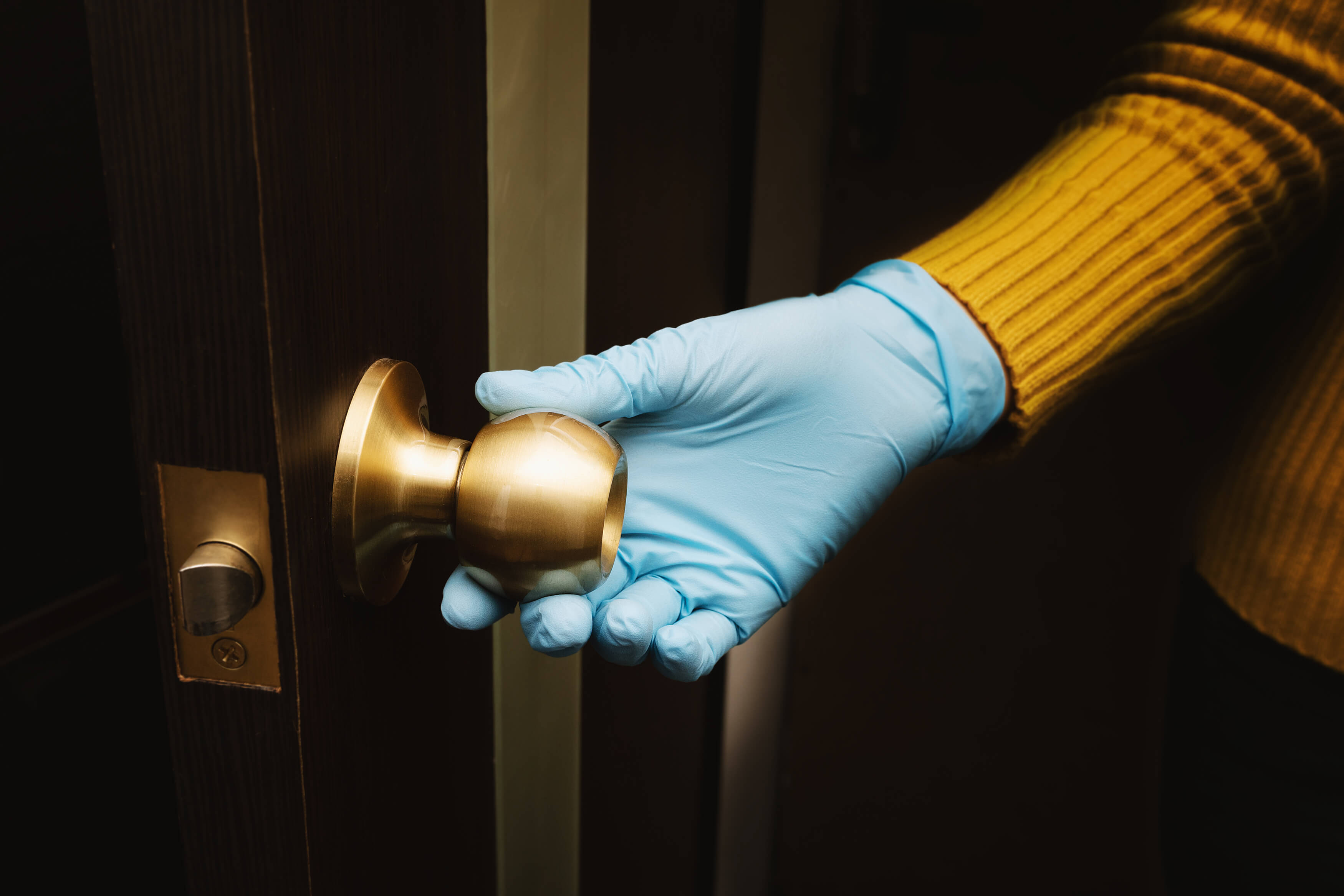
Installing and maintaining door knobs is one of the simplest yet most significant home repair tasks. This little element may significantly alter the overall appearance and feel of your house, whether you're replacing an outdated knob, upgrading to a more fashionable handle, or just updating your décor.
We'll go over everything you need to know about installing and maintaining door knobs in this comprehensive guide, from selecting the appropriate kind to using the best cleaning and lubrication methods. This article, which is ideal for homes in the UK, offers helpful advice, suggested equipment, and expert insights to help you complete the task correctly.
Why Door Knobs Matter More Than You Think
Door knobs are an essential component of your interior design in addition to being a practical necessity. The ideal knob can increase security, accessibility, and the aesthetics of your house.
1. Aesthetic Appeal
Door knobs add to your room's aesthetic coherence. The appropriate style—brass, chrome, matte black, or crystal—can unify your interior design regardless of whether you live in a contemporary city apartment or a traditional British cottage.
2. Functionality and Comfort
A well-selected knob should be smooth to use and feel good in your hand. Everyday living is made more enjoyable by this tiny ergonomic element.
3. Durability
Superior materials, such as stainless steel or solid brass, are durable and impervious to tarnish, corrosion, and wear, making them perfect for busy UK homes or businesses.
4. Added Security
Knobs with built-in locks provide extra privacy and peace of mind for some parts of the house, such bedrooms and bathrooms.
Choosing the Right Door Knob for Your Home
Before diving into installation, it’s important to select the right type of door knob for your needs. Here’s what to consider:
1. Interior vs Exterior Knobs
- Interior door knobs are typically non-locking or come with a simple privacy lock.
- Exterior door knobs are designed for durability and may include key-lock mechanisms or reinforced materials for security.
2. Door Knob Types
- Passage knobs: For doors that don’t require locks, such as hallways or living rooms.
- Privacy knobs: Perfect for bathrooms or bedrooms; they lock from the inside with a simple button or turn mechanism.
- Keyed entry knobs: Ideal for front or back doors, offering secure locking features.
- Dummy knobs: Fixed knobs used for decorative or push/pull doors that don’t latch.
3. Design and Finish
Match your knobs with your home’s existing ironmongery. For example:
- Polished chrome complements contemporary kitchens and bathrooms.
- Antique brass or satin nickel adds charm to traditional interiors.
- Matte black works well in minimalist or industrial-style homes.
4. Material
Look for solid metals rather than hollow-core designs. High-quality knobs made from solid brass, stainless steel, or bronze ensure durability and a satisfying tactile feel.
Tools You’ll Need for Installing Door Knobs
Installing a door knob is a fairly straightforward DIY task. Here’s what you’ll need:
- Screwdriver (flathead and Phillips)
- Tape measure
- Pencil
- Drill with hole saw bit (if new holes are needed)
- Chisel
- Utility knife
- Screws (usually supplied with your knob set)
- Latch assembly
- Strike plate
Step-by-Step Guide: How to Install a Door Knob
Let's walk through each step of the installation procedure. It's easy to add a new knob or replace an existing one.
Step 1: Prepare Your Door
The first step in replacing an old door knob is to unscrew and remove the old one. Make sure the door and latch holes are in good shape and clean the region.
Make sure you've measured and marked the proper location for your latch and knob holes if you're dealing with a new door. Internal doors in the UK usually have a backset of 60mm (2⅜ inches).
Step 2: Install the Latch
Place the latch mechanism into the opening on the edge of the door. Verify that the latch's bevelled side is facing the direction the door closes.
If the latch plate is not flush with the door edge, use a chisel to correct the recess. After installation, fasten it with screws.
Step 3: Fit the Door Knob
Through the latch mechanism, insert the external knob (the one with the spindle). After correctly aligning it, fasten the inner knob on the other side.
Carefully tighten the screws to prevent warping the knob or damaging the internal mechanism.
Step 4: Attach the Strike Plate
Place the strike plate where the latch bolt will meet the door frame. Use a pencil to trace its contour, then chisel out a shallow recess so that it is flush.
Screw it firmly into position.
Step 5: Test the Knob
After everything is put together, make sure it runs smoothly by turning the knob multiple times. The latch should stretch and retract without grinding or sticking.
Common Mistakes to Avoid
Even though installing a door knob is simple, these common errors can lead to poor results:
- Incorrect alignment: If the latch doesn’t align with the strike plate, the door won’t close properly.
- Over-tightening screws: Can strip threads or deform parts.
- Forgetting orientation: Always check that the latch bevel faces the door frame when closing.
- Skipping measurements: Door knob placement should feel natural — not too high or low.
Maintaining Door Knobs for Longevity
After installation, proper maintenance ensures your door knobs remain in pristine condition and work smoothly for years.
1. Regular Cleaning
a. Wipe Down Weekly
Use a soft, damp cloth to wipe away fingerprints, grime, and dust. Avoid harsh chemicals as they can damage the finish.
b. Disinfect Gently
For sanitisation, especially in high-traffic areas, use mild soap or a diluted vinegar solution. Rinse with a damp cloth and dry thoroughly.
c. Polish Occasionally
For brass or chrome knobs, a gentle metal polish can restore shine. Always test a small area first to avoid dulling.
2. Lubrication
Over time, knobs can become stiff or squeaky. Apply a small amount of graphite powder or WD-40 into the latch mechanism to maintain smooth movement. Avoid oil-based lubricants as they attract dust.
3. Inspect Screws and Fittings
Every few months, check that screws and fittings are tight. Loose knobs not only look untidy but also wear out faster.
4. Address Corrosion Early
In coastal UK regions, humidity and salt air can cause corrosion. Choose stainless steel or powder-coated finishes, and regularly clean to prevent rust.
When to Replace Your Door Knobs
Even with regular maintenance, knobs don’t last forever. Here are signs it might be time for an upgrade:
- The latch sticks or doesn’t catch properly.
- The handle wobbles or feels loose even after tightening.
- You’re renovating and want a cohesive look across all doors.
- The finish has significantly worn away.
Replacing outdated knobs with modern alternatives from brands like Deanta, LPD, or Atlantic Ironmongery can instantly refresh your interiors.
Matching Door Knobs to Your Interior Style
1. Modern Homes
Opt for sleek finishes such as satin chrome or matte black. Pair them with minimalist internal doors for a cohesive, contemporary feel.
2. Traditional Homes
Antique brass, bronze, or porcelain knobs work beautifully with oak or pine doors. They complement period features and heritage-style properties.
3. Industrial Interiors
Brushed nickel or aged steel knobs add an urban touch — ideal for loft conversions or warehouse-style apartments.
4. Luxury Homes
For a statement look, try crystal glass knobs or polished brass finishes that reflect light and sophistication.
Eco-Friendly and Sustainable Choices
Many UK homeowners are now choosing eco-conscious home improvement materials. Look for:
- Recyclable metals
- Sustainably sourced wood trim
- Low-VOC coatings
Eco-friendly hardware alternatives are now available from companies like Atlantic Ironmongery and LPD Doors, enabling you to create a greener house without sacrificing style.
Professional Tips for a Perfect Finish
-
Align hardware consistently across your home for a unified aesthetic.
-
Measure twice, drill once — this golden rule prevents costly errors.
-
Use quality tools — precision makes a big difference in finish.
-
Match finishes (hinges, handles, latches) for visual harmony.
-
Don’t rush — taking your time ensures proper alignment and functionality.
Why DIY Door Knob Installation Is Worth It
In addition to saving money, doing it yourself gives you a sense of achievement. Once you've mastered it, you'll feel more comfortable taking on other changes like installing door hinges or latches. It's a simple starting point for home repair jobs.
Upgrading or maintaining door knobs is a minor undertaking that can have significant benefits for UK homeowners in terms of convenience and aesthetics.
Final Thoughts
Although changing or maintaining your door knobs may seem like a minor chore, it may have a big impact on how well your house works and looks. Any householder in the UK may complete this do-it-yourself job with the correct equipment, a little perseverance, and attention to detail.
Investing effort in correct installation and upkeep can guarantee that your doors not only look great but also endure over time, whether you're updating your ironmongery, updating your interior doors, or adding a contemporary touch to your house.
Check out reputable UK vendors like Door Supplies Online, which offers premium collections from Deanta, LPD, and Atlantic Ironmongery, for the greatest assortment of premium door knobs, hinges, and locks.
For more information about our interior or exterior doors or door accessories, give us a call at 01603 622261 and speak to a member of our expert team today, or email us at sales@doorsuppliesonline.co.uk. We look forward to hearing from you.