
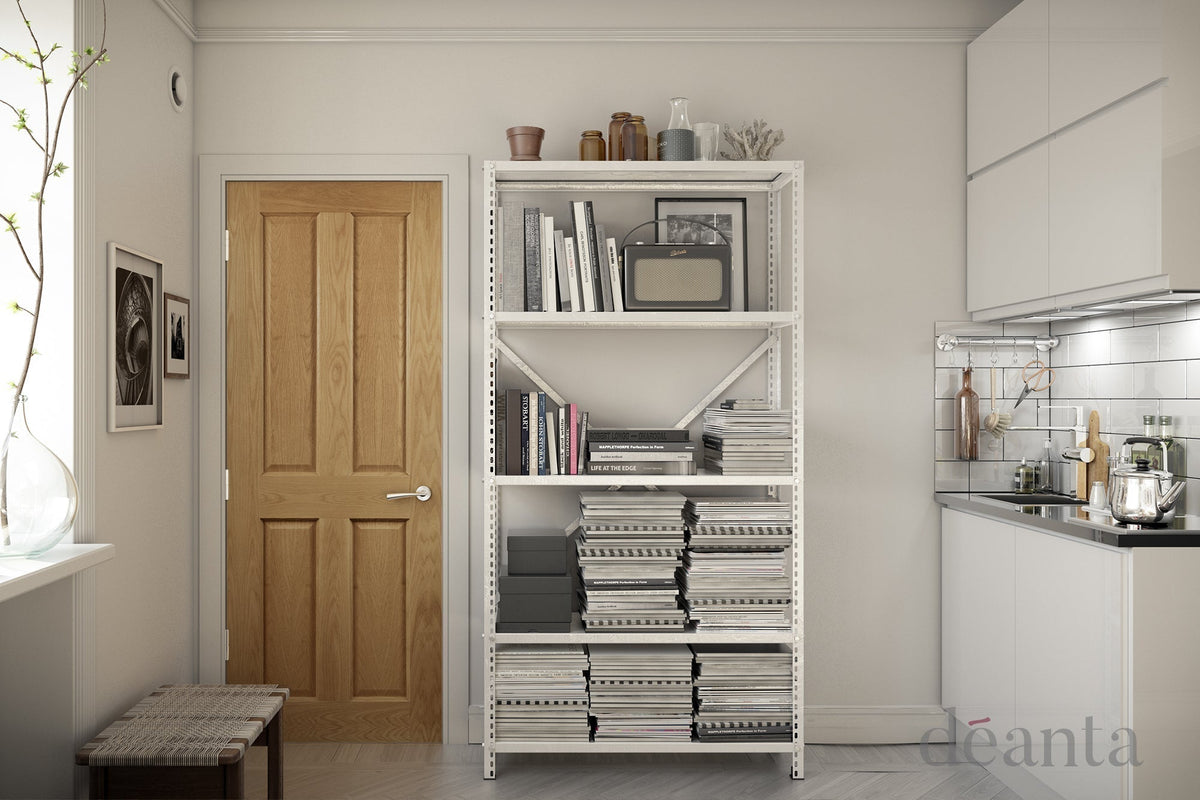
When choosing internal or external doors in the UK, two names consistently stand out: Deanta and LPD Doors.
Both brands offer a wide range of styles, finishes, and price points, but they target slightly different buyers. So which one is actually better for your home?
In this in-depth guide, we compare Deanta vs LPD doors across quality, design, durability, price, and value for money, helping you decide which brand is the right fit in 2026.
Overview of Deanta Doors
Deanta is widely regarded as a mid-to-premium door brand in the UK.
Key Highlights:
- Engineered solid core construction
- High-end finishes (oak, walnut, primed)
- Strong focus on modern and contemporary design
Deanta has built a reputation for quality craftsmanship and durability, often appealing to homeowners looking for a premium feel without bespoke pricing.
Overview of LPD Doors
LPD Doors is one of the UK’s largest door suppliers, known for variety and affordability.
Key Highlights:
- Wide range of internal and external doors
- Multiple price points (budget to mid-range)
- Traditional and modern styles
- Strong availability across UK retailers
LPD has been in the market for over 40 years and focuses on offering accessible, stylish doors for a wide audience.
Deanta vs LPD: Key Differences
| Feature | Deanta | LPD |
|---|---|---|
| Market Position | Mid-to-premium | Budget to mid-range |
| Construction | Solid core (standard) | Mixed (solid & hollow core) |
| Design Focus | Modern & high-end | Wide variety |
| Price | Higher | More affordable |
| Durability | Excellent | Good (varies by range) |
1. Build Quality & Construction
Deanta Doors
Deanta doors are known for their engineered solid core construction, which offers:
- Greater strength and durability
- Better sound insulation
- A heavier, more premium feel
- Resistance to warping and cracking
This makes them ideal for long-term use and high-traffic areas.
LPD Doors
LPD offers a broader range of construction types, including:
- Solid core doors (higher-end models)
- Semi-solid and hollow core doors (budget options)
This flexibility allows LPD to cater to different budgets, but quality can vary depending on the product range.
Verdict:
Deanta wins for consistent quality, while LPD offers more variety but less uniform performance.
2. Design & Style Options
Deanta
- Focuses on modern, sleek designs
- Strong Shaker and contemporary collections
- High-end finishes with consistent grain matching
LPD
- Huge variety of styles:
- Traditional
- Contemporary
- Cottage and period designs
- More options for budget-friendly aesthetics
Verdict:
- Choose Deanta for premium, cohesive design
- Choose LPD for maximum choice and flexibility
3. Durability & Longevity
Deanta
- Designed for long-term performance
- Resistant to wear and environmental changes
- Maintains finish quality over time
LPD
- Durability depends on the range
- Solid core models perform well
- Budget options may wear faster
Verdict:
Deanta offers better long-term durability overall.
4. Finish Quality
Deanta
- High-quality veneers
- UV-cured, factory-applied finishes
- Minimal need for additional work
LPD
- Good finishes across ranges
- Quality varies depending on price point
Verdict:
Deanta delivers a more premium, consistent finish.
5. Price Comparison
Deanta Doors:
- Typically £120 – £400+ per door
- Positioned as mid-to-premium
LPD Doors:
- Typically £60 – £300+ per door
- Wider budget range
Verdict:
- LPD is more affordable
- Deanta offers better value long-term
6. Range & Availability
Deanta
- Smaller, curated collection
- Focus on quality over quantity
LPD
- Extremely wide range
- Easily available across UK retailers
- More sizes, finishes, and configurations
Verdict:
LPD wins for variety and accessibility.
7. Fire Door Options
Both brands offer FD30 and FD60 fire doors, suitable for UK regulations.
Deanta:
- Certified fire doors with premium finishes
- Matches standard door designs
LPD:
- Wide selection of fire-rated doors
- More budget-friendly options
Verdict:
Both perform well, choice depends on budget and style.
8. Which Brand Adds More Value to Your Home?
Deanta:
- Higher perceived quality
- Better for premium interiors
- Strong resale appeal
LPD:
- Good for cost-effective upgrades
- Ideal for rental properties
- Practical for large-scale renovations
Verdict:
Deanta adds more perceived value, while LPD offers better budget efficiency.
Final Verdict: Which Brand Is Better?
Choose Deanta if you want:
- Premium quality doors
- Long-term durability
- High-end interior design
Choose LPD if you want:
- Budget-friendly options
- A wide range of styles
- Flexibility across projects
Overall Winner:
If quality and longevity are your priority, Deanta is the better brand.
However, if you’re working within a budget or need multiple doors, LPD offers excellent value and variety.
Conclusion
Both Deanta and LPD doors are strong contenders in the UK market, but they serve slightly different needs.
- Deanta excels in quality, durability, and premium design
- LPD stands out for affordability, variety, and accessibility
The best choice depends on your priorities, but for most homeowners seeking a balance of style and long-term value, Deanta often comes out on top.