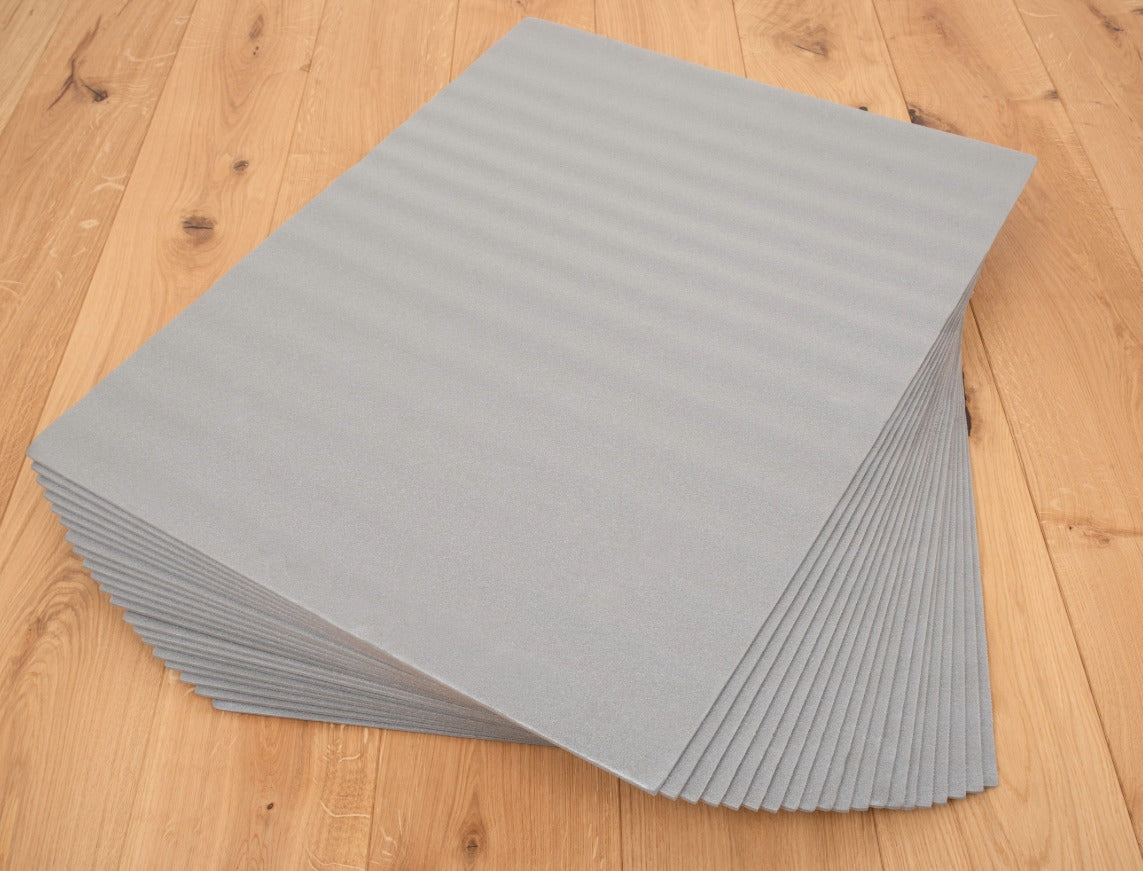
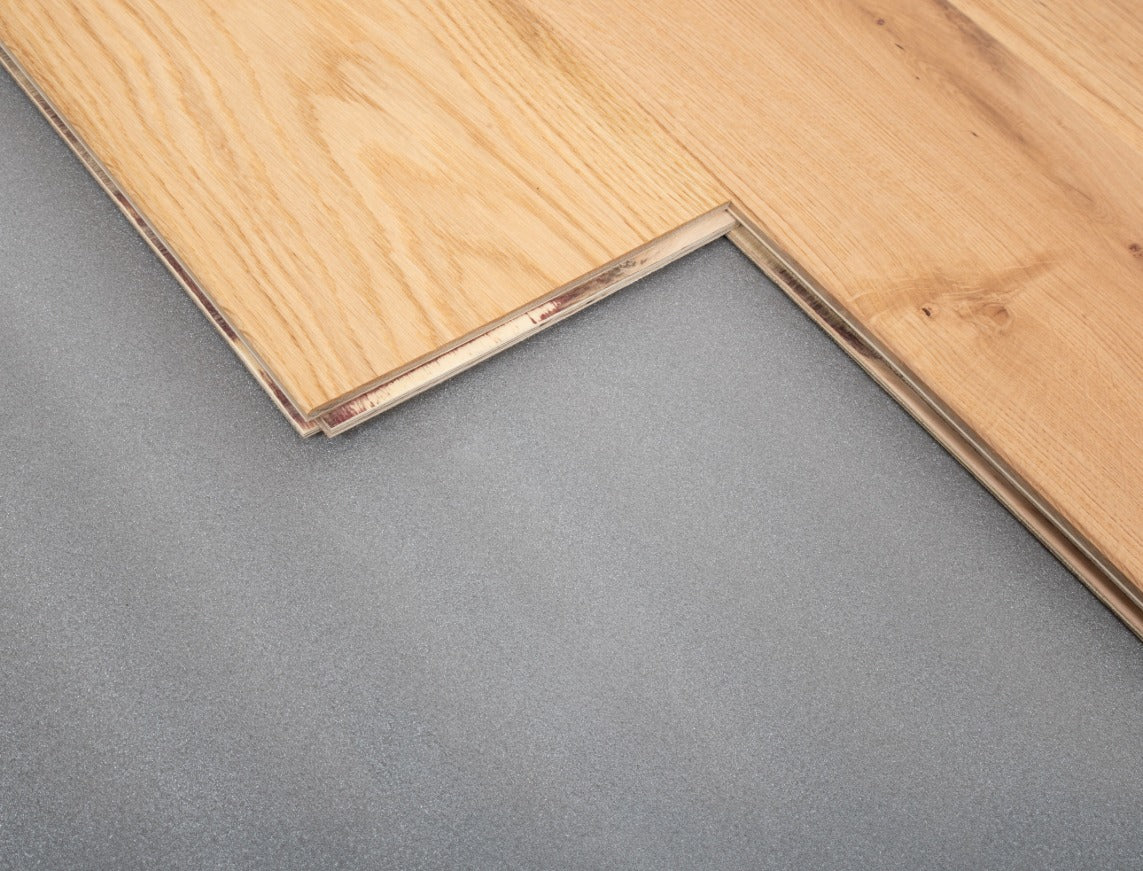
The layer nobody sees and everybody feels. Underlay evens out small imperfections in the subfloor, softens the sound of footsteps, and adds a barrier against damp coming up through concrete.
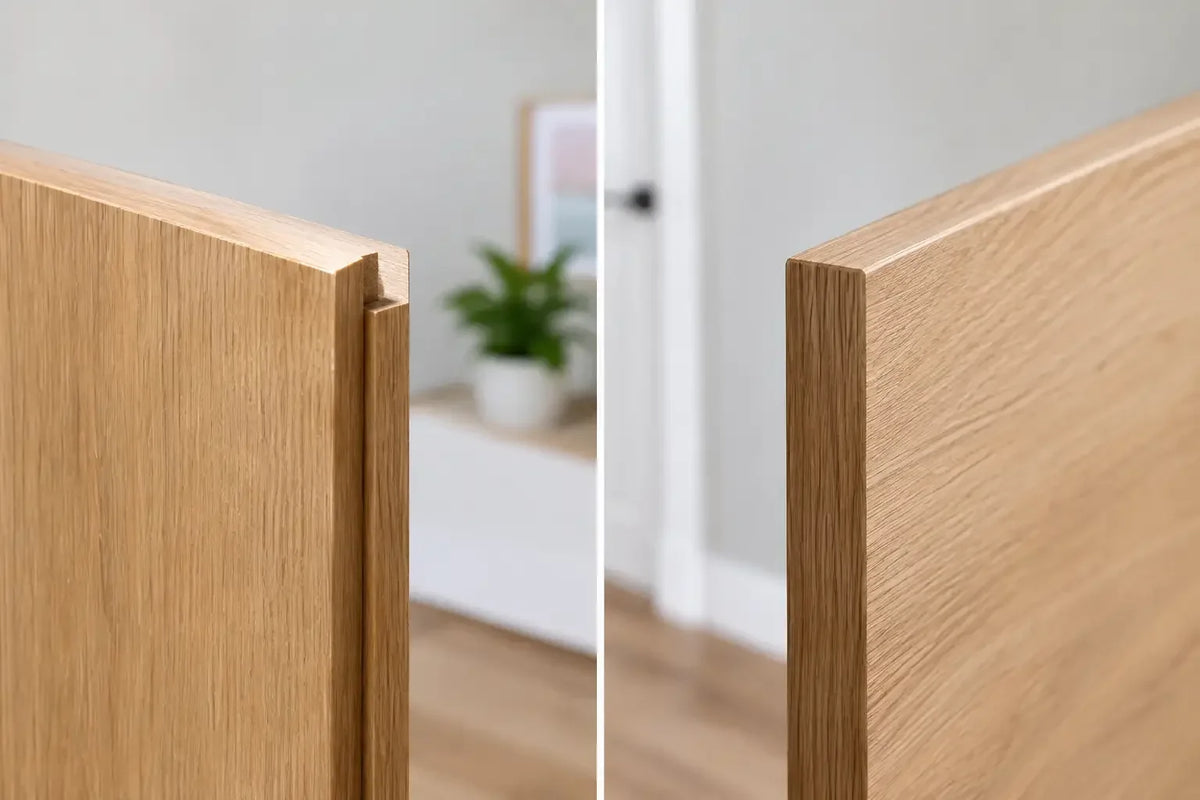
Choosing it well matters more than most people expect. The wrong underlay under a floor with underfloor heating will insulate against the heat you are paying for, and the wrong thickness under a click floor can put stress on the joints.
Our range covers acoustic underlays for flats and upstairs rooms, damp proof membranes for concrete subfloors, and low-tog products designed to let underfloor heating through.
Most floating floors do. Some products come with underlay already attached to the back of the boards, in which case you do not add more, and doing so can void the warranty. The product page will tell you.
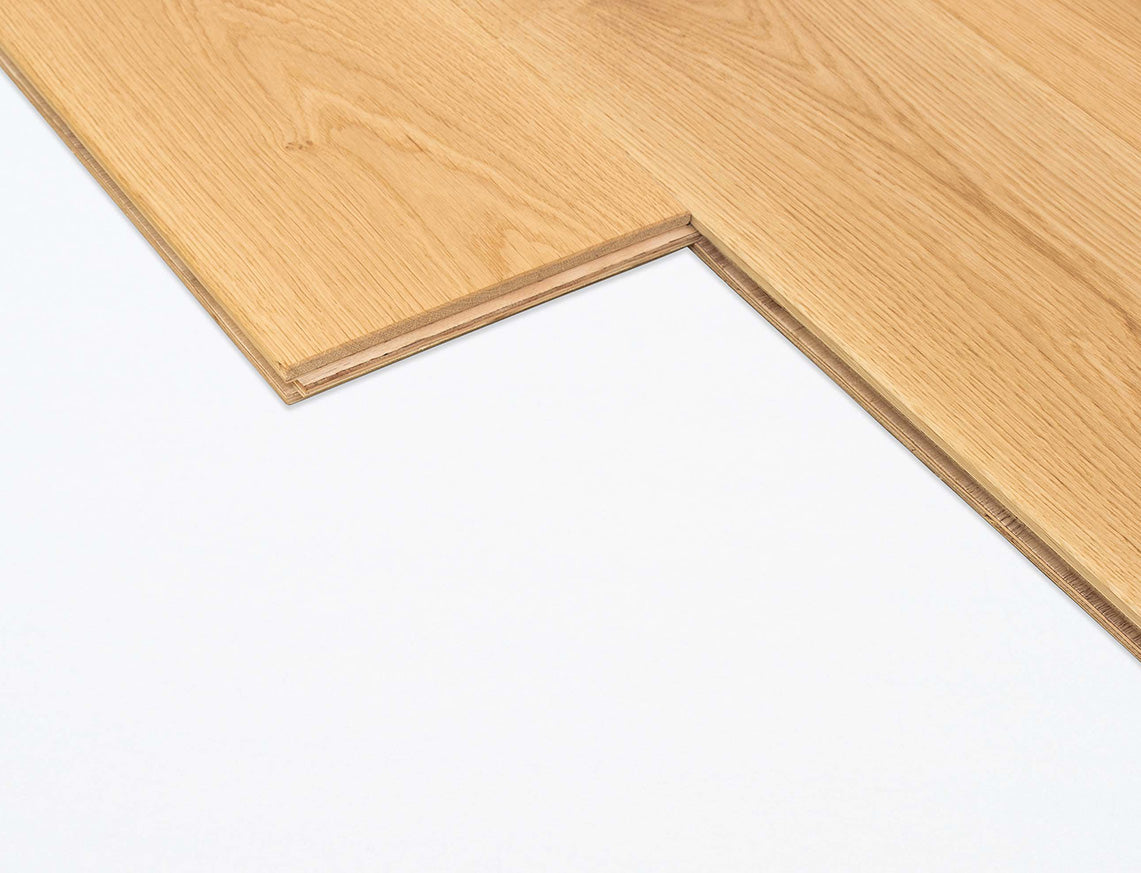
Glued-down floors generally do not use underlay, since the adhesive bonds the boards directly to the subfloor. That applies to most herringbone and chevron in engineered oak.
The four things that separate one underlay from another
Tog rating
A measure of thermal resistance. Counter-intuitively, a low tog is what you want over underfloor heating, because the heat needs to pass through rather than be held back. A higher tog gives more insulation, which suits a cold ground floor with no heating beneath it.
Impact sound reduction
Quoted in decibels, this tells you how much footfall noise is stopped from travelling through the structure. It matters in flats, upstairs rooms and anywhere above a bedroom. A higher figure is better, and the difference between the lowest and highest in our range is substantial.
Damp proof membrane
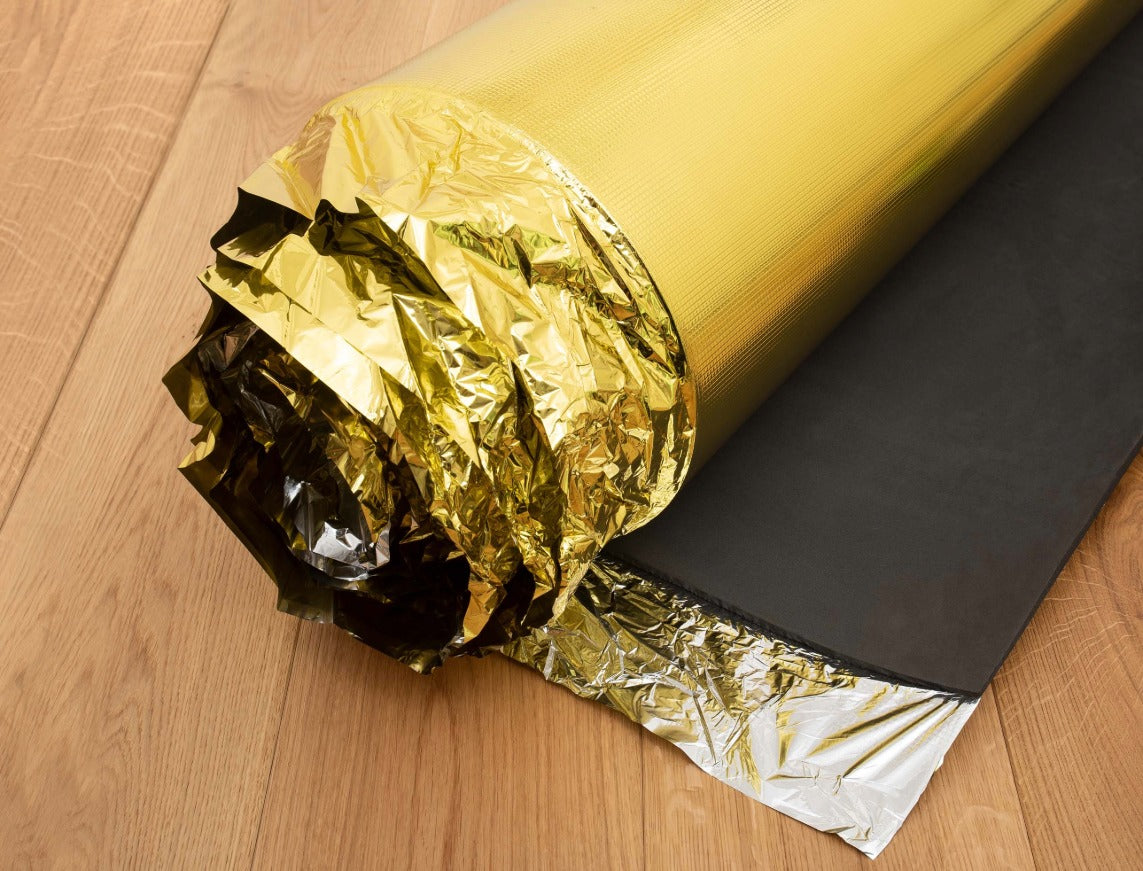
Essential over concrete, which can pass moisture upward even when it feels dry. Some underlays have a foil or plastic membrane built in; otherwise you lay a separate one first. Over a timber subfloor a membrane is usually unnecessary and can trap moisture.
Thickness
Thicker feels softer underfoot, but too thick under a click floor allows the boards to flex and puts stress on the joints. Follow the flooring manufacturer's recommendation rather than assuming more is better.
Underfloor heating: check the tog
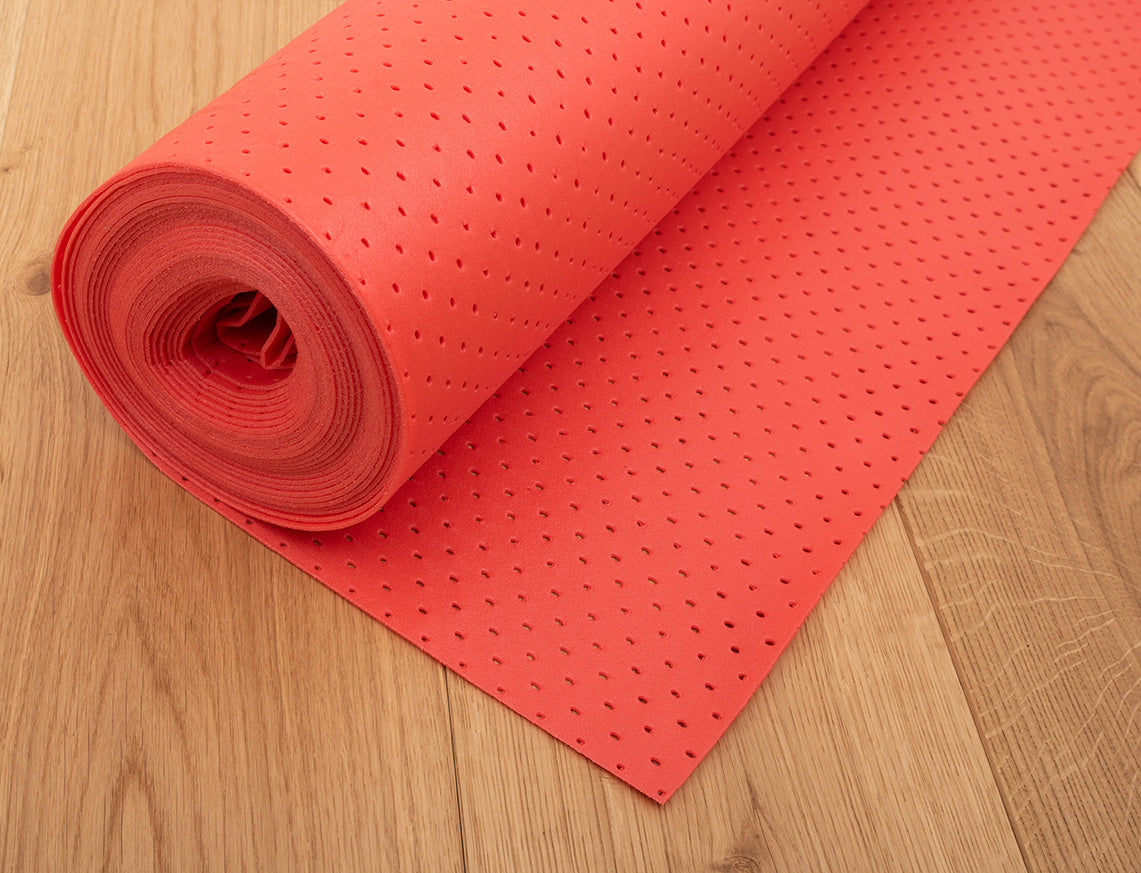
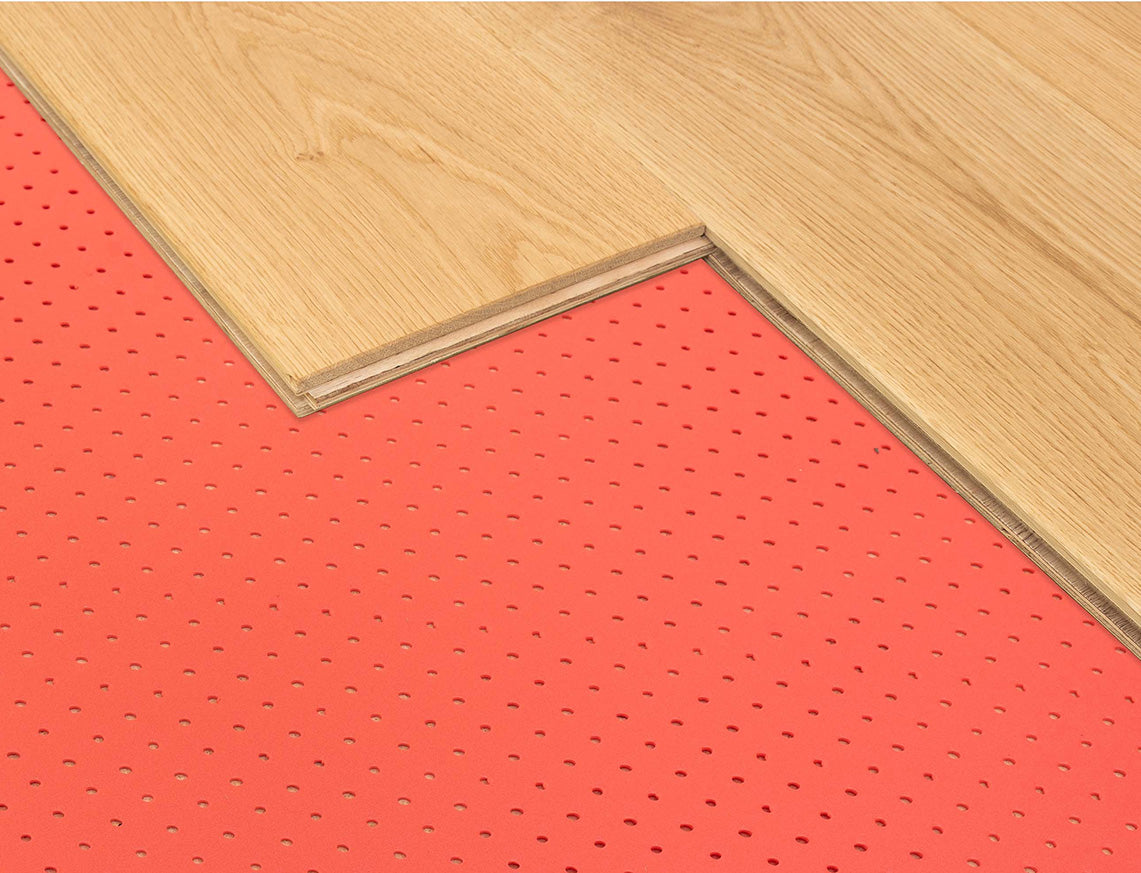
This is the most common and most expensive mistake. A thick, high-tog underlay under underfloor heating works exactly as insulation is supposed to, which is the opposite of what you want. Our Thermo-X underlay is made for this.
Which underlay for which floor
Situation
Look for
Underfloor heating
Low tog, thin profile
Flat or upstairs room
High decibel reduction
Concrete subfloor
Damp proof membrane
Cold ground floor
Higher tog for insulation
Slightly uneven subfloor
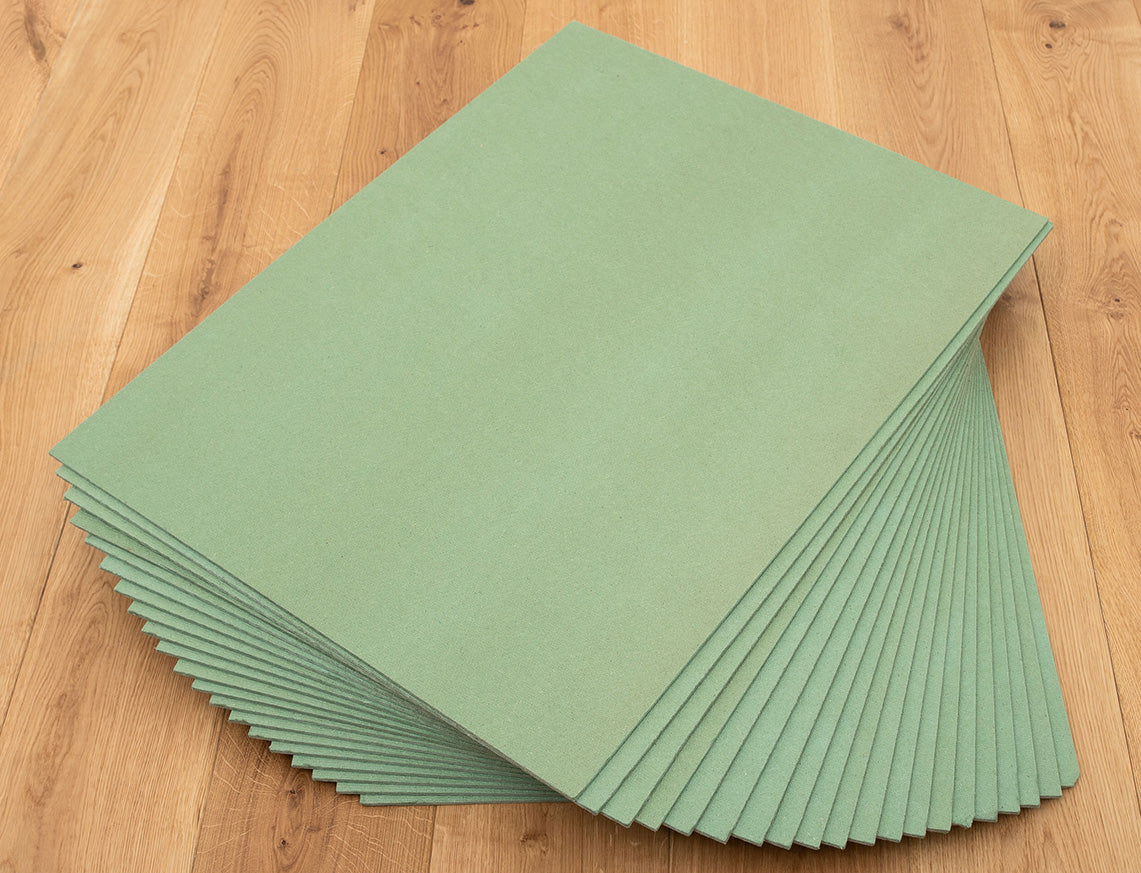
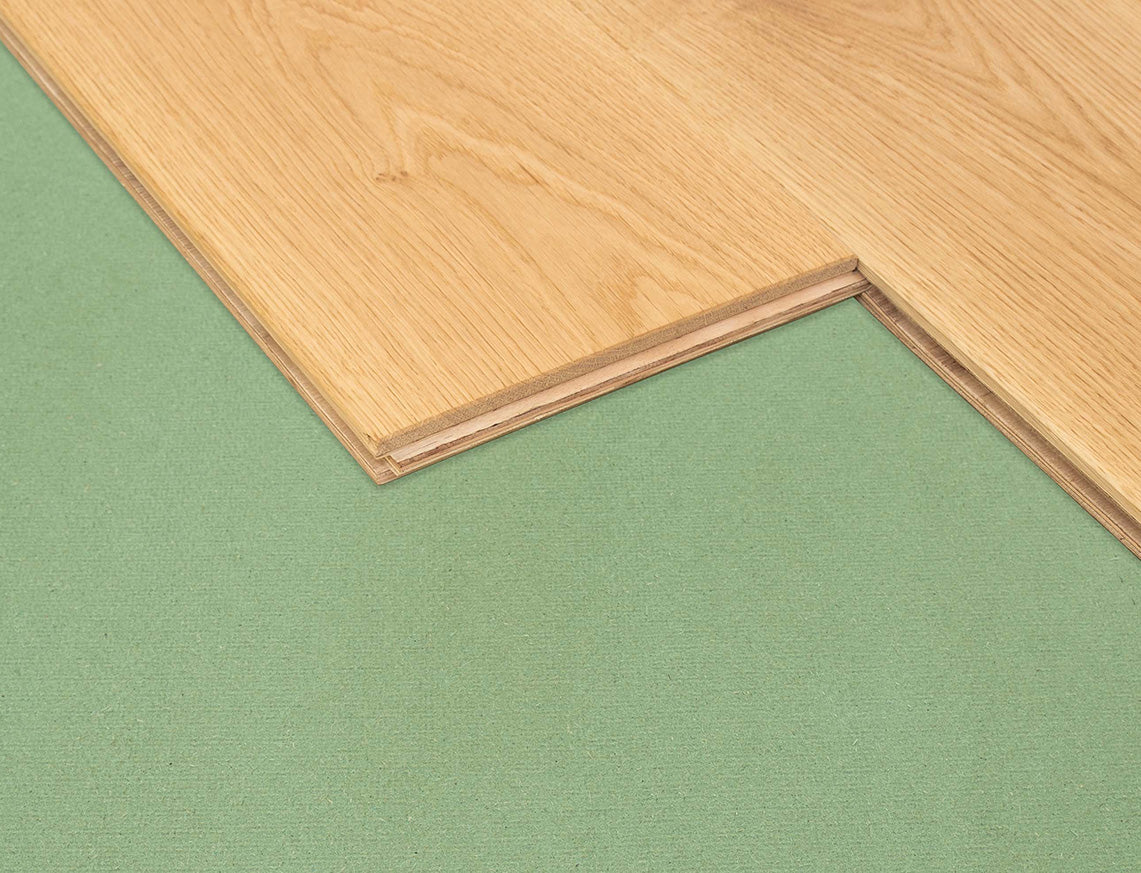
Fibreboard panels
Rolls or boards?
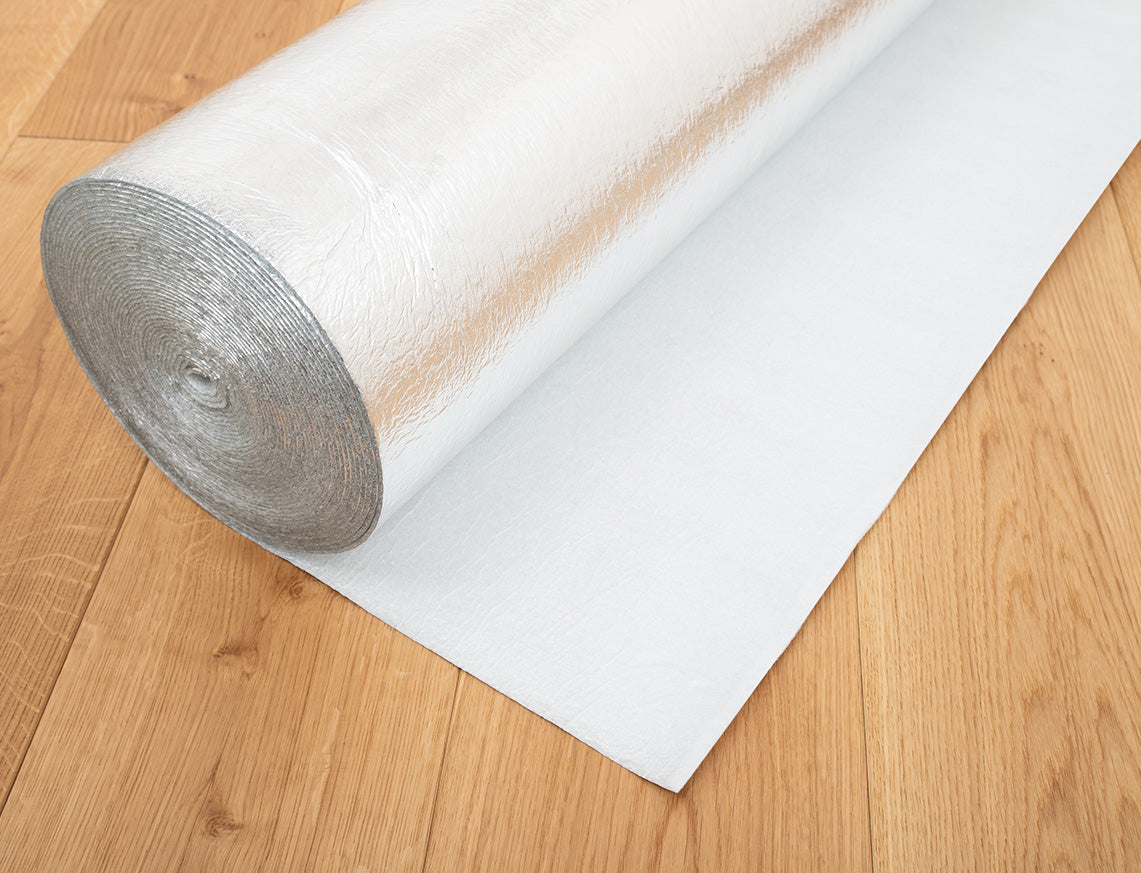
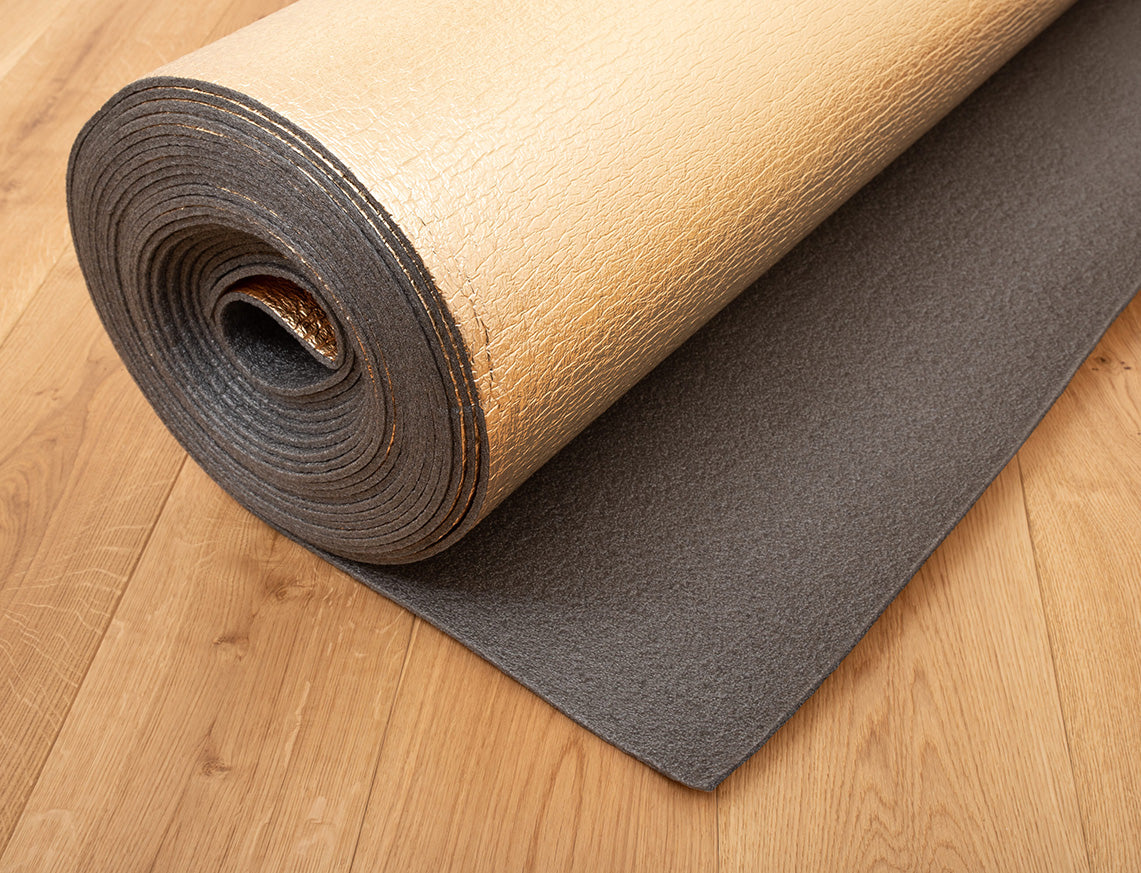
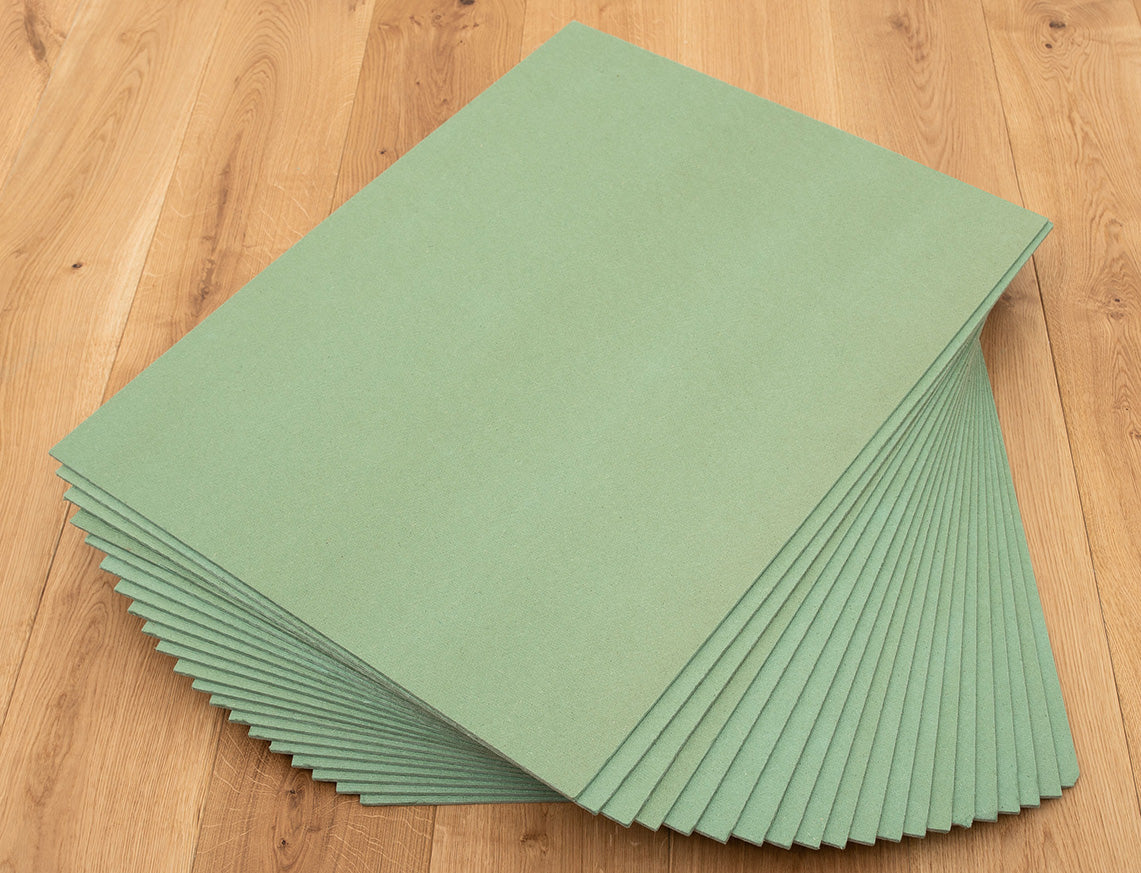
Most underlay comes on a roll, which is quick to lay and easy to cut. Fibreboard underlay comes as rigid panels instead. Panels take longer to lay but are better at levelling a subfloor that is not quite flat, since they bridge small dips rather than following them.
How much will you need?
Work from your floor area, not the rounded-up flooring figure. Underlay is sold by the roll or pack, and the coverage of each is listed on its product page.
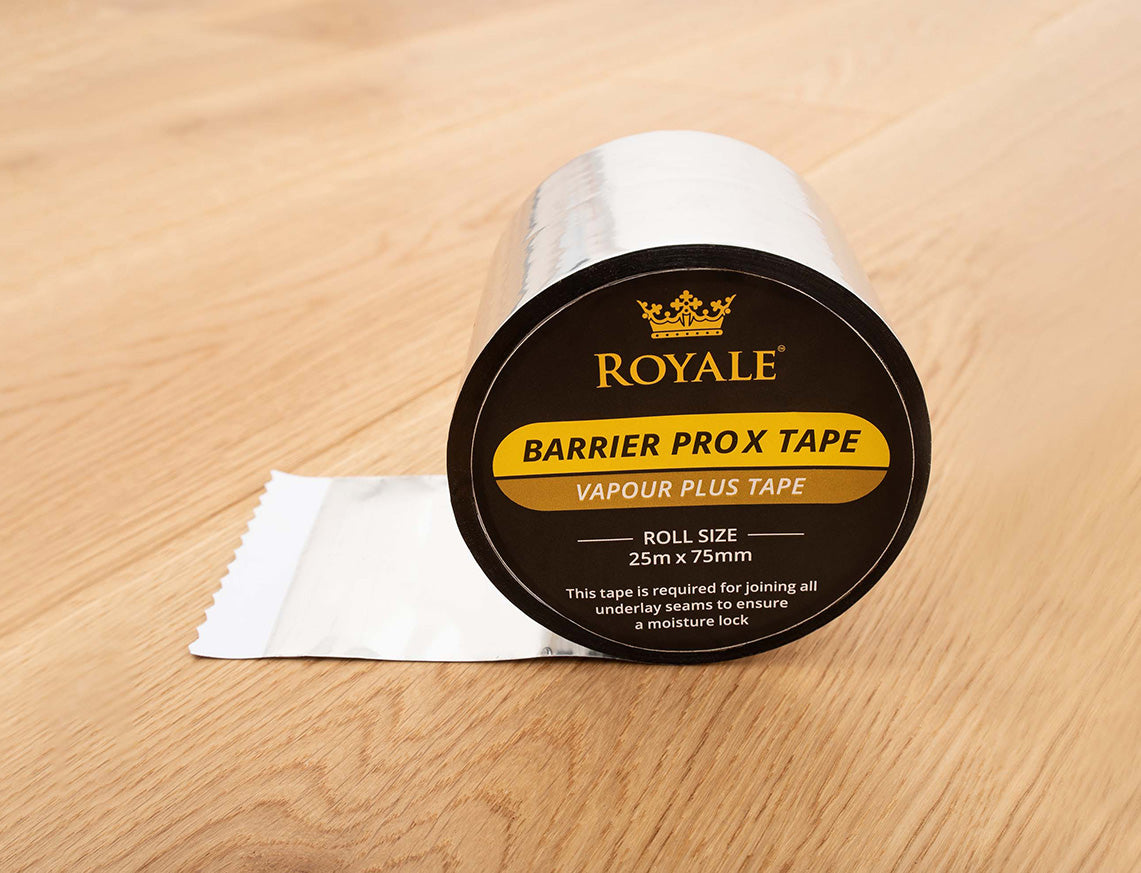
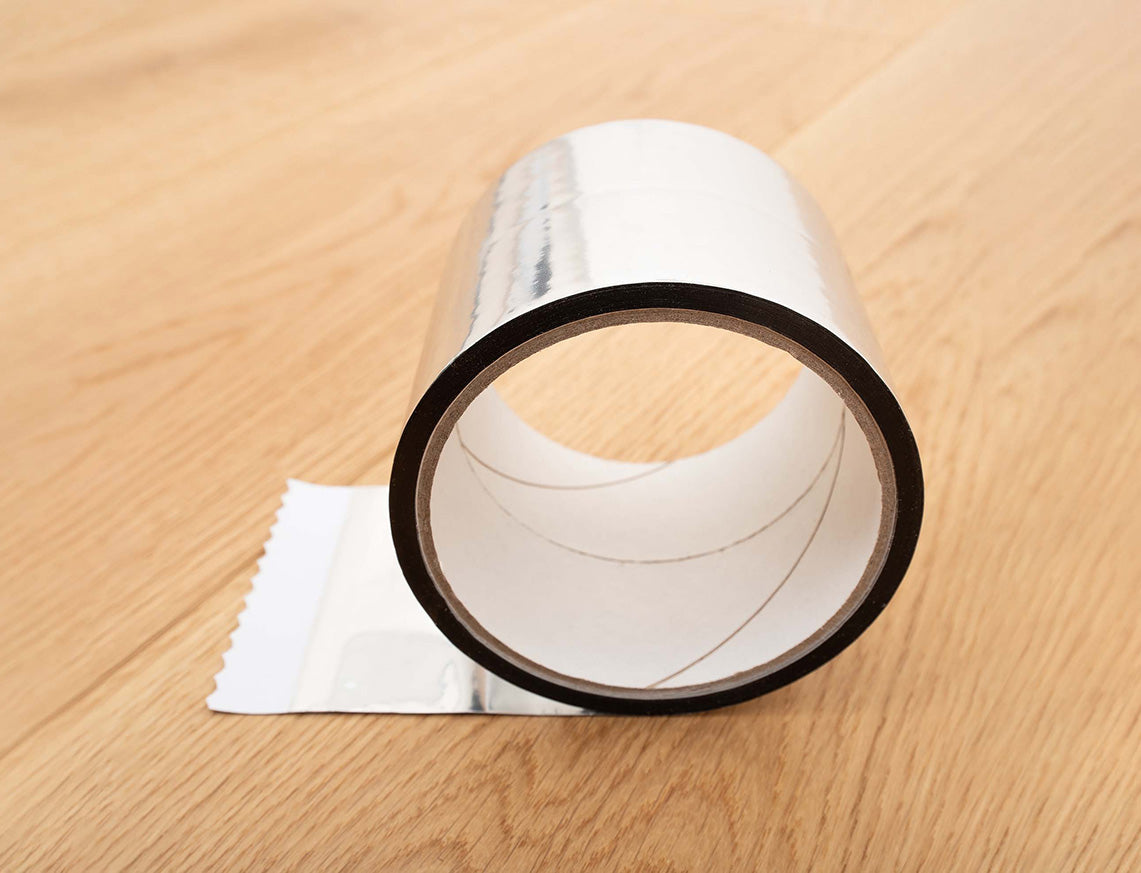
Add a little for trimming at the edges, and pick up joint tape to seal the seams between rolls, which stops them separating as the floor goes down.
Underlay: frequently asked questions
Do I need underlay for laminate flooring?
Usually yes, unless the boards have it pre-attached. It evens out the subfloor, reduces sound and improves comfort underfoot.
What tog underlay for underfloor heating?
As low as possible. A low tog lets heat through; a high tog insulates against it. Look for products specifically rated for underfloor heating.
Can I use two layers of underlay?
No. Doubling up makes the floor too soft, which stresses the joints on a click floor and can cause them to fail. Choose a single underlay with the properties you need.
Do I need a damp proof membrane?
Over concrete, yes. Over a timber subfloor, generally not, since it can trap moisture beneath the boards.
Which way should underlay be laid?
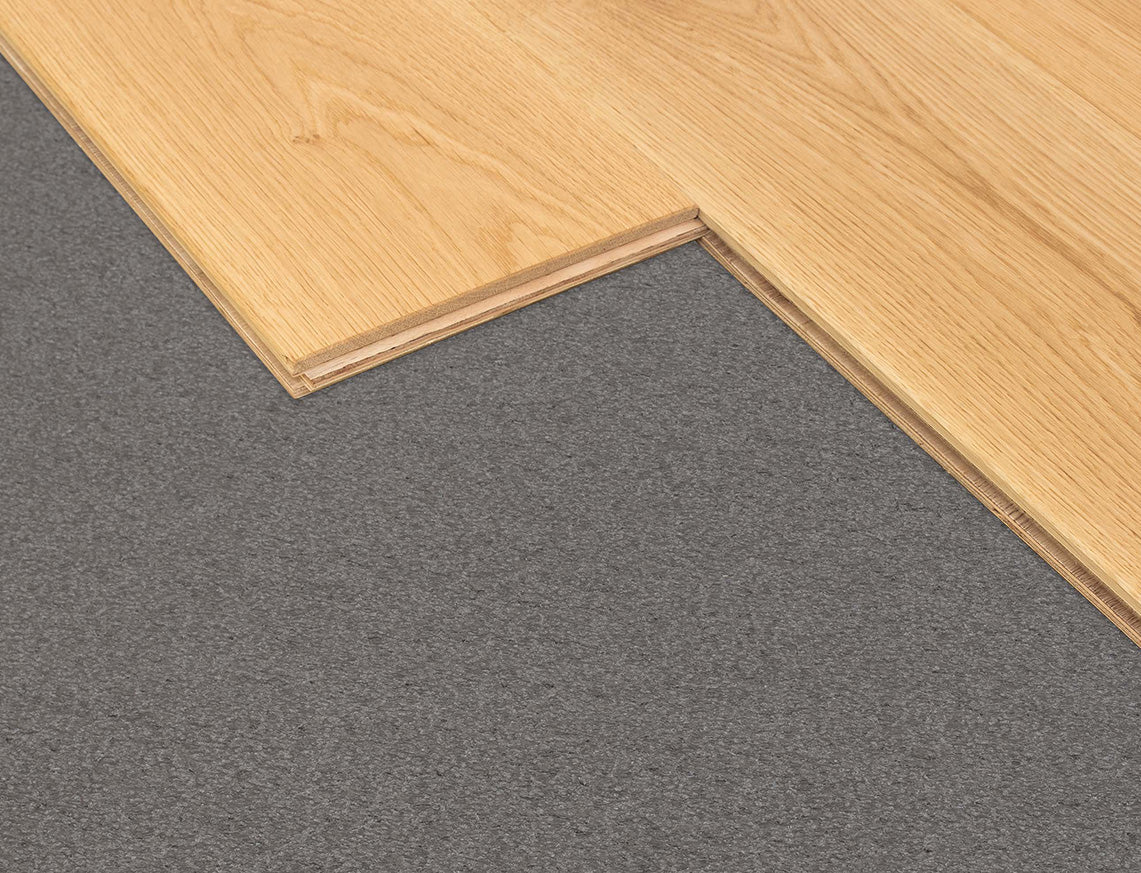
Usually at right angles to the direction of the flooring, butted rather than overlapped, with the seams taped. Any foil or membrane faces down towards the subfloor unless the instructions say otherwise.
Does underlay stop noise between floors?
It reduces impact sound considerably, and the decibel figure on each product tells you by how much. It will not eliminate it entirely.