
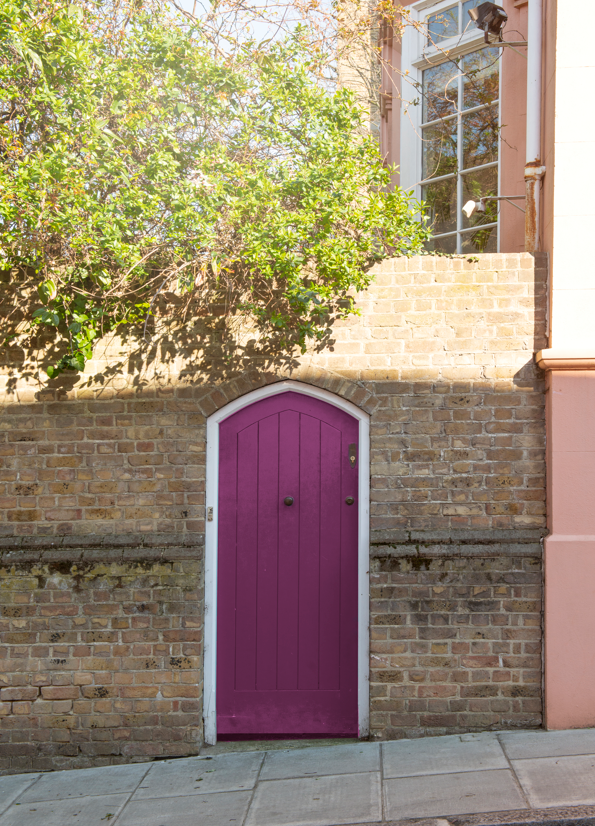
Dutch doors have become increasingly popular in UK homes thanks to their unique combination of practicality, charm, ventilation, and timeless style. Often referred to as stable doors, split doors, or Dutch doors, these distinctive doors are divided horizontally into two separate sections that can open independently or together.
Originally designed for farmhouses and cottages, Dutch doors are now used in everything from modern kitchens and utility rooms to luxury country homes and contemporary garden entrances.
Their growing popularity comes from the fact that they offer:
- Better airflow and ventilation
- Added versatility
- Improved practicality for families and pets
- Traditional character and kerb appeal
- Flexible indoor-outdoor living
In this complete guide, we’ll explain:
- What Dutch doors are
- The difference between stable doors and split doors
- Why homeowners choose them
- Their key benefits
- Popular materials and styles
- Where they work best in UK homes
What Is a Dutch Door?


A Dutch door is a door split horizontally into two independently operating halves:
- The top half
- The bottom half
Both sections can:
- Open together as one full door
or - Open separately for ventilation and access control
In the UK, Dutch doors are commonly known as:
- Stable doors
- Split doors
- Half doors
Although the term “Dutch door” is more common internationally, all these names generally describe the same style of door.
Why Are They Called Dutch Doors?
The term “Dutch door” originates from traditional doors used in the Netherlands during the 17th century.
These doors were designed to:
- Keep animals out
- Allow fresh air inside
- Improve ventilation in homes and farms
Over time, the design spread internationally and became especially popular in:
- Farmhouses
- Cottages
- Rural homes
Today, Dutch doors UK styles are available in both traditional and modern designs.
Stable Doors vs Split Doors: What’s the Difference?


The terms are often used interchangeably, but there are slight differences in usage.
| Term | Common Usage |
|---|---|
| Stable Doors | Most common UK term |
| Split Doors | Describes the door structure |
| Dutch Doors | International/designer term |
In practice, all refer to horizontally divided doors with independently operating sections.
Why Dutch Doors Are Becoming Popular Again
Dutch doors are experiencing a major revival in UK interior and exterior design.
Homeowners increasingly want:
- More natural ventilation
- Better indoor-outdoor connection
- Character-rich design
- Flexible living spaces
Dutch doors perfectly combine:
- Traditional charm
- Modern practicality
- Stylish functionality
Key Benefits of Dutch Doors
1. Excellent Ventilation


One of the biggest advantages of Dutch doors is airflow.
By opening only the top section, homeowners can:
- Let fresh air circulate
- Reduce stuffiness
- Improve ventilation
- Keep rooms cooler in summer
This makes them especially useful in:
- Kitchens
- Utility rooms
- Garden entrances
2. Safer for Children and Pets
Dutch doors are popular with families because the bottom section can remain closed while the upper section stays open.
This helps:
- Keep children safely indoors
- Prevent pets from escaping
- Maintain visibility and interaction
They are particularly practical for:
- Busy family kitchens
- Rear garden access
- Homes with dogs or young children
3. Traditional Character and Charm


Stable doors instantly add:
- Character
- Warmth
- Cottage appeal
- Heritage charm
They work beautifully in:
- Period properties
- Farmhouses
- Country cottages
- Barn conversions
However, modern Dutch doors UK designs also suit contemporary homes.
4. Flexible Functionality
Dutch doors are incredibly versatile.
You can:
- Open the whole door normally
- Open just the top half
- Secure one section independently
This flexibility makes them practical for many everyday situations.
5. Improved Indoor-Outdoor Living


Many homeowners use stable doors to create a stronger connection between:
- Kitchen and garden
- Utility room and outdoors
- Dining spaces and patios
They help create:
- More light
- Better airflow
- A relaxed open atmosphere
without fully exposing the home.
Popular Types of Dutch Doors UK
1. Timber Stable Doors
Traditional timber stable doors remain highly popular.
Benefits:
- Natural appearance
- Traditional styling
- Excellent insulation
- Strong character
Popular woods include:
- Oak
- Pine
- Hardwood
2. Composite Stable Doors


Composite stable doors combine:
- Modern security
- Low maintenance
- Thermal efficiency
- Traditional appearance
These are especially popular in modern UK homes.
3. uPVC Stable Doors
Affordable and practical, uPVC stable doors are commonly used in:
- Utility rooms
- Kitchens
- Rear entrances
Benefits:
- Cost-effective
- Weather resistant
- Easy maintenance
4. Aluminium Stable Doors
Modern aluminium Dutch doors UK styles are growing in popularity.
Benefits:
- Slim sightlines
- Contemporary appearance
- Excellent durability
- Minimal maintenance
Perfect for modern architectural homes.
Where Should You Use a Dutch Door?


Dutch doors work well in many parts of the home.
Kitchens
One of the most popular locations.
Benefits include:
- Fresh airflow while cooking
- Easy garden access
- Family-friendly practicality
Utility Rooms
Perfect for:
- Ventilation
- Pet access
- Laundry airflow
Back Entrances
Stable doors are ideal for rear access points because they combine:
- Security
- Fresh air
- Visibility
Cottage and Country Homes
Traditional stable doors complement:
- Rustic interiors
- Farmhouse aesthetics
- Heritage architecture
Are Dutch Doors Secure?
Modern Dutch doors are far more secure than older traditional designs.


Many modern stable doors include:
- Multi-point locking systems
- Reinforced frames
- Toughened glazing
- Secure hardware
Composite and aluminium options can offer excellent security performance.
Energy Efficiency of Stable Doors
Modern Dutch doors UK designs are built with improved insulation technology.
Features often include:
- Weather seals
- Thermal cores
- Double glazing
- Energy-efficient materials
This helps reduce:
- Draughts
- Heat loss
- Energy bills
Traditional vs Modern Dutch Doors


Traditional Stable Doors:
- Rustic detailing
- Woodgrain finishes
- Cottage aesthetics
Modern Dutch Doors:
- Slim frames
- Minimalist styling
- Anthracite finishes
- Large glazing panels
Both styles remain highly desirable depending on the property type.
Common Concerns About Dutch Doors
“Are they old-fashioned?”
Not at all. Modern stable doors combine traditional charm with contemporary design.
“Are they less secure?”
Modern versions can be highly secure with advanced locking systems.
“Do they let in draughts?”
High-quality modern stable doors are designed for excellent insulation.
How Much Do Dutch Doors Cost in the UK?
Prices vary depending on:
- Material
- Size
- Glazing
- Security features
- Installation
Approximate UK Price Ranges:
- uPVC stable doors: £700–£1,200
- Composite stable doors: £1,000–£2,000+
- Timber stable doors: £1,500–£3,000+
Premium bespoke designs may cost more.
How to Choose the Right Stable Door
1. Choose the Right Material
Composite and aluminium are ideal for low maintenance.
2. Prioritise Security
Look for:
- Multi-point locks
- Reinforced frames
- Quality hardware
3. Match Your Home Style
Traditional homes suit timber finishes while modern homes suit minimalist designs.
4. Consider Glazing Options
Glazed upper sections increase natural light.
Final Thoughts
Dutch doors , also known as stable doors or split doors , offer a unique combination of:
- Practicality
- Ventilation
- Character
- Security
- Versatility
Their ability to provide fresh airflow while maintaining separation makes them especially useful in modern family homes.
Whether you prefer:
- Traditional cottage charm
or - Contemporary minimalist design
modern Dutch doors UK styles provide a stylish and highly functional solution for both interior and exterior spaces.
As more homeowners seek flexible living, natural ventilation, and timeless design, stable doors continue to grow in popularity across the UK.
For more information about our interior or exterior doors or door accessories, give us a call at 01603 622261 and speak to a member of our expert team today or Email us at sales@doorsuppliesonline.co.uk. We look forward to hearing from you.