
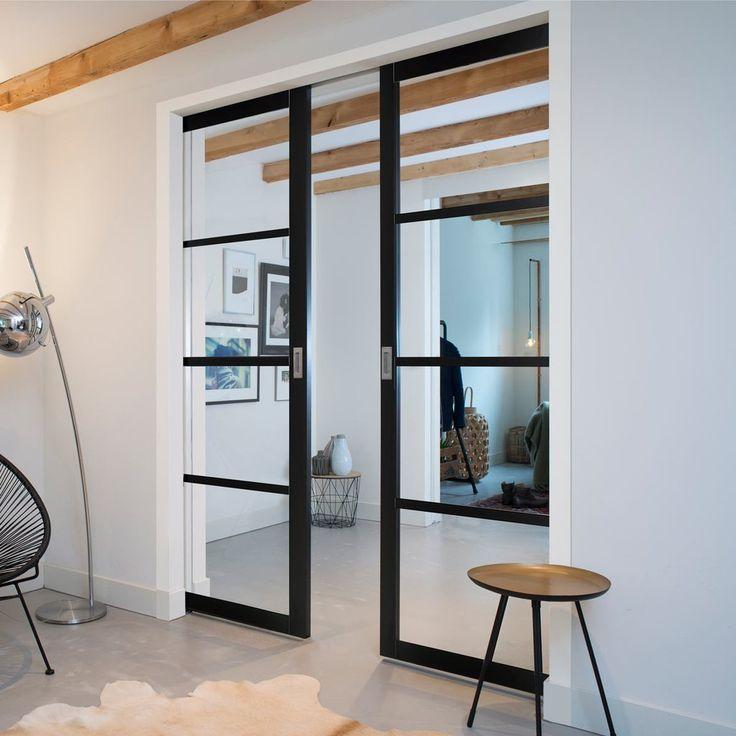
Sliding doors have become one of the most popular modern door solutions for UK homes. Whether you're upgrading a wardrobe, dividing an open-plan room or creating stylish patio access, sliding doors provide a sleek, space-saving alternative to traditional hinged doors.
One of the biggest advantages of sliding internal doors is their practicality. Because they move horizontally rather than swinging into the room, they can help maximise usable floor space and create greater flexibility in smaller rooms. However, achieving smooth and reliable operation depends on accurate sliding door installation, careful measurement and correctly fitted tracks and hardware.
If you're researching how to fit sliding doors, the process will vary depending on the type of system you're installing. Internal sliding doors, external patio doors, barn-style doors and pocket doors all have different fitting requirements. The basic principle, however, remains the same: the opening, door, track and running hardware must be correctly aligned.
For interior projects, installing sliding doors interior spaces can provide a practical way to separate rooms without losing the floor area required for a conventional door swing.
Before starting any sliding door fitting project, check the manufacturer's instructions and confirm that the wall, opening and supporting structure are suitable for the chosen system.
How to Fit a Sliding Door Track
One of the most important stages of sliding door installation is fitting the track accurately. If you're learning how to fit a sliding door track, start by measuring the opening and determining the required track position and length. The track must be level and securely fixed to suitable structural support.
Once the track is installed, the rollers or hanging hardware can be attached to the door according to the manufacturer's instructions. The door is then carefully lifted onto the track and checked for smooth movement.
One of the biggest advantages of sliding doors is their practicality. Because they slide horizontally instead of swinging open, they are ideal for:
- Smaller rooms
- Modern interiors
- Open-plan living
- Wardrobes and storage areas
- Garden access
The good news is that many homeowners can complete a DIY sliding door installation with the right tools, preparation, and guidance.
In this complete guide, we’ll explain:
- How to fit sliding doors step by step
- Tools and materials needed
- Installing bypass and pocket door systems
- Common installation mistakes
- Sliding door troubleshooting tips
- Maintenance and adjustment advice
What Are Sliding Doors?


Sliding doors operate using a track system that allows the door panel to move horizontally.
Popular types include:
- Internal sliding doors
- Sliding wardrobe doors
- Pocket door systems
- Barn-style sliding doors
- Patio sliding doors
Sliding doors are popular because they:
- Save floor space
- Improve accessibility
- Create modern aesthetics
- Allow flexible room separation
Types of Sliding Door Systems
Before beginning installation, it’s important to understand the main sliding door styles.
1. Bypass Sliding Doors


These doors slide past one another on parallel tracks.
Best for:
- Wardrobes
- Closets
- Room dividers
2. Pocket Door Systems

Pocket doors slide into a concealed cavity within the wall.
Best for:
- Space-saving interiors
- En-suite bathrooms
- Compact homes
- Modern minimalist designs
3. Barn Sliding Doors


Barn doors slide externally along a visible track.
Popular in:
- Rustic interiors
- Industrial-style homes
- Open-plan spaces
Benefits of DIY Sliding Door Installation
Installing sliding doors yourself can:
- Reduce labour costs
- Improve DIY skills
- Allow design flexibility
- Speed up smaller renovation projects
However, accurate measuring and proper installation are essential for smooth operation.
Tools Needed for Installing Sliding Doors


Before starting, gather the correct tools.
Essential Tools:
- Tape measure
- Spirit level
- Drill and drill bits
- Screwdriver
- Pencil
- Stud finder
- Saw (if trimming required)
- Safety glasses
- Step ladder
Materials You’ll Need
Depending on the system, you may require:
- Sliding door kit
- Door panels
- Top track
- Bottom guide
- Screws and fixings
- Wall anchors
- Pocket frame kit (for pocket doors)
Most sliding door systems include installation hardware.
Step 1: Measure the Opening Correctly


Accurate measurements are critical.
Measure:
- Width of opening
- Height of opening
- Wall clearance
- Floor level consistency
For pocket doors, also measure:
- Internal wall cavity space
Step 2: Choose the Right Sliding Door Size
The door panel should:
- Fully cover the opening
- Allow smooth track movement
- Maintain proper overlap where required
For bypass systems:
- Each panel typically overlaps slightly
For pocket systems:
- Door width should match the cavity size
Step 3: Install the Sliding Door Track


The track is one of the most important parts of the installation.
How to Fit the Track:
- Mark the correct height
- Use a spirit level
- Drill pilot holes
- Secure the track firmly into studs or supports
Important:
An uneven track causes poor door movement and alignment problems.
Step 4: Install the Rollers or Hanging Hardware
Sliding doors use rollers attached to the top or bottom of the panel.
Installation Tips:
- Follow manufacturer spacing instructions
- Ensure rollers are level
- Tighten hardware securely
Properly installed rollers ensure:
- Smooth sliding
- Reduced noise
- Long-term durability
Step 5: Hang the Sliding Door


Carefully lift the door into place and connect it to the track system.
This step may require:
- Two people for heavier doors
- Careful alignment
- Slow positioning
Check that the door:
- Slides smoothly
- Remains level
- Clears flooring properly
Step 6: Install Bottom Guides or Floor Tracks
Many systems include:
- Floor guides
- Bottom stabilisers
- Secondary tracks
These prevent:
- Swinging
- Misalignment
- Excess movement
Pocket doors may use concealed floor guides instead.
Step 7: Test Door Movement and Alignment


Open and close the door several times.
Check for:
- Smooth movement
- Scraping
- Noise
- Uneven sliding
- Gaps or tilting
Adjust rollers if necessary.
Installing a Pocket Door System
Pocket doors require additional preparation because the door slides inside the wall.


Additional Pocket Door Steps:
- Remove wall sections if retrofitting
- Install pocket frame kit
- Reinforce wall structure
- Fit track inside cavity
- Install plasterboard finishing
Pocket doors are more complex than surface-mounted systems but offer superior space-saving benefits.
DIY Sliding Door Installation Mistakes to Avoid
1. Incorrect Measurements
Always measure multiple times before ordering.
2. Uneven Tracks
Tracks must be perfectly level.
3. Weak Wall Fixings
Heavy doors require solid structural support.
4. Ignoring Floor Clearance
Flooring changes can affect movement.
5. Poor Roller Installation
Loose rollers cause wobbling and noise.
Sliding Door Troubleshooting Guide


Problem: Door Sticks or Drags
Causes:
- Dirty track
- Misaligned rollers
- Uneven floor
Solution:
- Clean tracks
- Adjust rollers
- Re-level system
Problem: Noisy Sliding
Causes:
- Loose hardware
- Dirty rollers
Solution:
- Tighten fixings
- Lubricate rollers lightly
Problem: Door Won’t Stay Closed
Causes:
- Improper alignment
- Uneven track
Solution:
- Re-adjust track positioning
Best Materials for Sliding Doors


Popular materials include:
- Oak
- Glass
- Aluminium
- MDF
- Composite materials
Glass Sliding Doors
Ideal for:
- Maximising natural light
- Modern interiors
- Open-plan spaces
Oak Sliding Doors
Perfect for:
- Traditional homes
- Rustic interiors
- Premium aesthetics
Aluminium Sliding Doors
Best for:
- Contemporary designs
- Minimalist interiors
- Slimline styling
Sliding Door Maintenance Tips
Proper maintenance helps extend lifespan.
Maintenance Checklist:
- Clean tracks regularly
- Remove debris and dust
- Tighten hardware periodically
- Check roller condition
- Lubricate moving parts lightly
Well-maintained sliding doors operate more quietly and smoothly.
Are Sliding Doors Worth It?
Sliding doors remain one of the best space-saving solutions for modern homes.
Benefits include:
- Better space efficiency
- Contemporary appearance
- Flexible room separation
- Improved accessibility
- Enhanced natural light
They are especially useful in:
- Apartments
- Smaller homes
- Open-plan interiors
- Modern renovations
Final Thoughts
Learning how to fit sliding doors can be an excellent DIY project that improves both functionality and appearance in your home.
Whether you are:
-
- Installing wardrobe doors
- Fitting barn-style doors
- Completing a pocket door system installation
Careful measuring, proper alignment, and quality hardware are essential for success.
With the right preparation and tools, DIY sliding door installation can transform your interior while adding modern style, flexibility, and valuable floor space.
For more information about our interior or exterior doors or door accessories, give us a call at 01603 622261 and speak to a member of our expert team today, or email us at sales@doorsuppliesonline.co.uk. We look forward to hearing from you.