
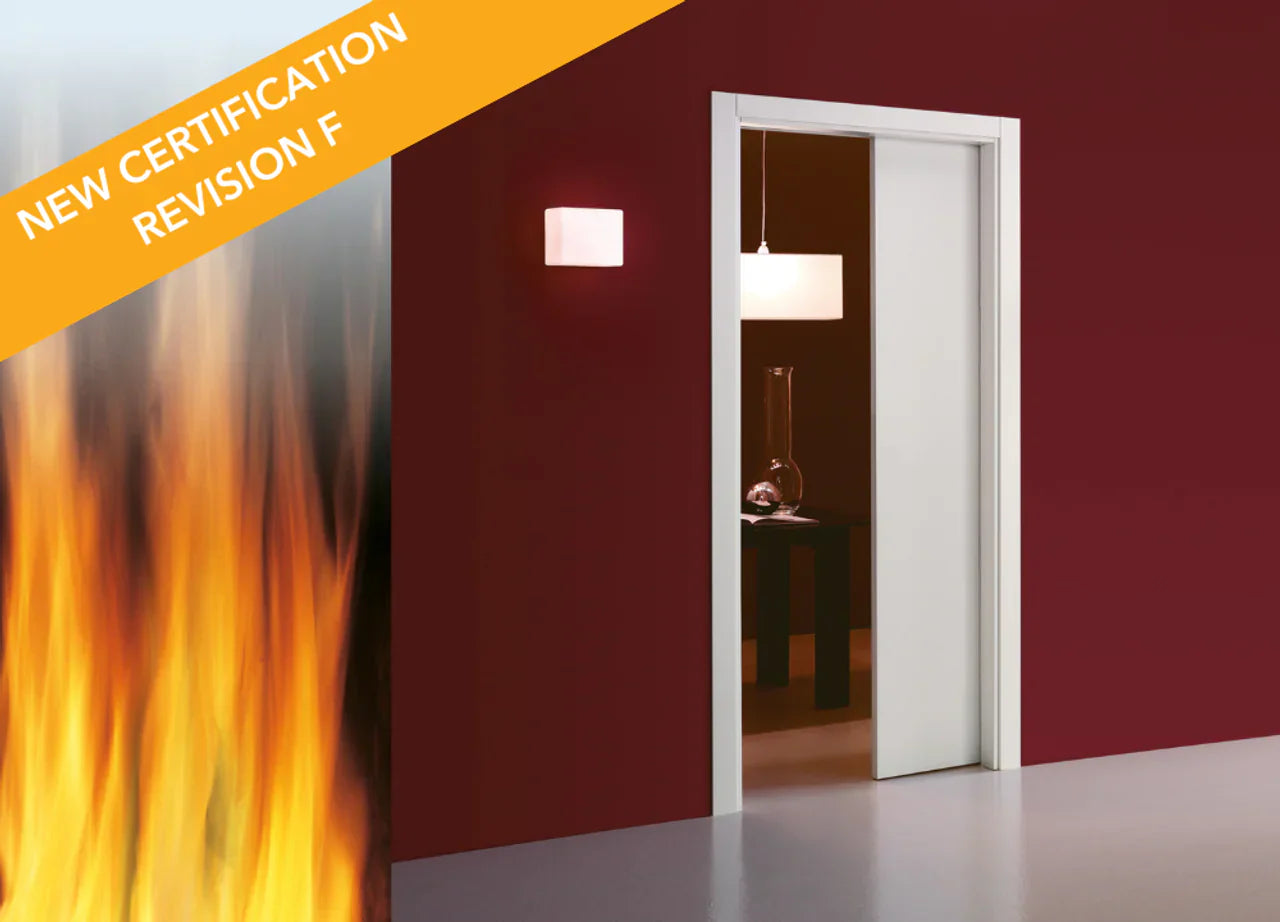
Fire safety is one of the most critical considerations in modern homes and buildings. Whether you're renovating, building an extension, or upgrading interiors, you’ve likely come across the term FD30 fire doors, especially when researching Deanta products.
But what exactly are Deanta fire doors? How do FD30 options work? And are they worth installing in your home?
This pillar guide explains everything you need to know, from FD30 ratings and construction to benefits, compliance, and design options, so you can make an informed decision.
What Is a Fire Door?
A fire door is a specially engineered internal door designed to slow the spread of fire and smoke, providing crucial time for occupants to escape and emergency services to respond.
Unlike standard doors, fire doors are:
- Built with fire-resistant materials
- Tested under extreme heat conditions
- Installed as part of a complete fire-rated system
They are a legal requirement in many UK properties, particularly in multi-storey homes, flats, and HMOs.
What Are Deanta Fire Doors?
Deanta fire doors are premium internal fire-rated doors designed to combine safety with modern design.
They are manufactured in-house and independently tested to meet strict European fire safety standards, including EN 1634-1 certification.
What Makes Them Different?
- Third-party certified (Certifire & Q-Mark)
- Solid engineered core construction
- Wide range of modern and traditional designs
- Available with glazing options
- Manufactured with full traceability
Unlike many fire doors that prioritise function over form, Deanta doors are designed to match standard internal door styles, ensuring a consistent interior aesthetic.
What Does FD30 Mean?
FD30 Explained
FD30 is one of the most common fire door ratings in the UK.
- FD = Fire Door
- 30 = 30 minutes of fire resistance
This means an FD30 door is designed to withstand fire and smoke for at least 30 minutes under test conditions.
Why 30 Minutes Matters
Those extra 30 minutes can:
- Save lives
- Allow safe evacuation
- Limit fire spread within a building
- Reduce structural damage
FD30 doors are the standard requirement for most residential properties.
Types of Deanta Fire Doors
1. FD30 Fire Doors (Most Popular)
- 30 minutes fire resistance
- Ideal for homes and small commercial spaces
- Most commonly required by UK building regulations
2. FD60 Fire Doors
- 60 minutes fire resistance
- Used in higher-risk environments (e.g. commercial buildings)
Both options are fully tested and certified, ensuring compliance and reliability.
Key Features of Deanta FD30 Fire Doors
1. Solid Core Construction
Deanta FD30 doors use engineered solid cores, providing:
- Structural strength
- Fire resistance
- Sound insulation
This is essential for maintaining integrity during a fire.
2. Third-Party Certification
All Deanta fire doors are independently certified by:
- Certifire
- BM TRADA Q-Mark
This guarantees that the doors have been rigorously tested and verified.
3. Fire-Resistant Materials
Deanta fire doors are constructed using materials that:
- Resist ignition
- Slow heat transfer
- Maintain structural integrity under extreme temperatures
4. Intumescent Seals
Fire doors include intumescent strips, which expand when exposed to heat, sealing gaps around the door to prevent smoke and flames from spreading.
5. Glazed Fire Door Options
Deanta offers fire doors with glass panels using fire-rated glazing, allowing light flow without compromising safety.
6. Acoustic Performance
Some Deanta fire doors achieve sound reduction levels of over 29dB, making them ideal for:
- Bedrooms
- Offices
- Apartments
7. Wide Range of Finishes
Deanta FD30 doors are available in:
- Oak veneer
- White primed
- Grey ash
- Black finishes
This allows you to maintain design consistency throughout your home.
Benefits of Deanta FD30 Fire Doors
1. Enhanced Safety
The primary benefit is life-saving protection. FD30 doors slow fire spread, giving occupants time to escape safely.
2. Compliance with UK Regulations
Fire doors are required in:
- Multi-storey homes
- Flats and apartments
- HMOs
- Loft conversions
Installing certified Deanta fire doors ensures compliance with UK building regulations.
3. Improved Property Value
Homes with compliant fire safety measures are:
- More attractive to buyers
- Easier to insure
- Safer for occupants
4. Stylish Design Options
Unlike traditional fire doors, Deanta options offer:
- Modern flush styles
- Shaker designs
- Glazed options
- Contemporary black finishes
This means no compromise between safety and style.
5. Durability and Longevity
Thanks to solid core construction and premium materials, Deanta fire doors:
- Last longer than standard doors
- Resist wear and damage
- Require minimal maintenance
6. Versatility
Deanta FD30 doors can be used in:
- Homes
- Offices
- Commercial buildings
- Mixed-use properties
Where Should FD30 Fire Doors Be Installed?
Common Locations in Homes:
- Between house and garage
- Staircases in multi-storey homes
- Loft conversion access points
- Kitchens and utility rooms
In Flats & HMOs:
- Entrance doors
- Hallways and escape routes
Always consult building regulations or a professional to confirm requirements.
Do Deanta Fire Doors Look Different?
No, this is one of their biggest advantages.
Deanta fire doors are designed to match standard internal doors, meaning you can:
- Maintain a consistent interior style
- Mix fire and non-fire doors seamlessly
- Choose from modern or traditional designs
For example, ranges like oak shaker or white primed doors are available in both standard and FD30 versions, ensuring design continuity.
Installation Considerations
A fire door is only effective if installed correctly.
Key Requirements:
- Fire-rated hinges (typically 3 minimum)
- Intumescent seals
- Correct frame and lining
- Proper gap spacing (usually 3–4mm)
Incorrect installation can compromise fire resistance, so professional fitting is strongly recommended.
Are Deanta FD30 Fire Doors Worth It?
Yes, Deanta FD30 fire doors are widely considered a premium option due to their:
- Certified safety standards
- High-quality materials
- Stylish designs
- Long-term durability
While they may cost more than standard doors, they provide critical protection and long-term value.
Common Misconceptions About Fire Doors
“Fire doors are bulky and unattractive”
Not true, Deanta offers sleek, modern designs.
“You only need fire doors in commercial buildings”
False, many residential properties require FD30 doors.
“Any thick door is a fire door”
Incorrect, only certified and tested doors meet FD30 standards.
Final Thoughts
If you’re looking for doors that combine safety, style, and long-term performance, Deanta fire doors are an excellent choice.
Their FD30 options provide essential fire protection while maintaining the aesthetic standards of modern homes.
Whether you’re upgrading a single room or completing a full renovation, investing in certified fire doors is not just a smart decision, it’s a crucial one for safety and compliance.
For more information about our interior or exterior doors or door accessories, give us a call at 01603 622261 and speak to a member of our expert team today or Email us at sales@doorsuppliesonline.co.uk. We look forward to hearing from you.
FAQs
An FD30 fire door resists fire for at least 30 minutes, helping slow fire spread and improve safety.
Yes, they are independently certified by Certifire and Q-Mark schemes.
Yes, fire-rated glass options are available without compromising safety.
Typically in staircases, loft conversions, garages, and multi-occupancy buildings.
Yes, but only within strict limits to maintain certification (e.g. up to 30mm total for some models).