
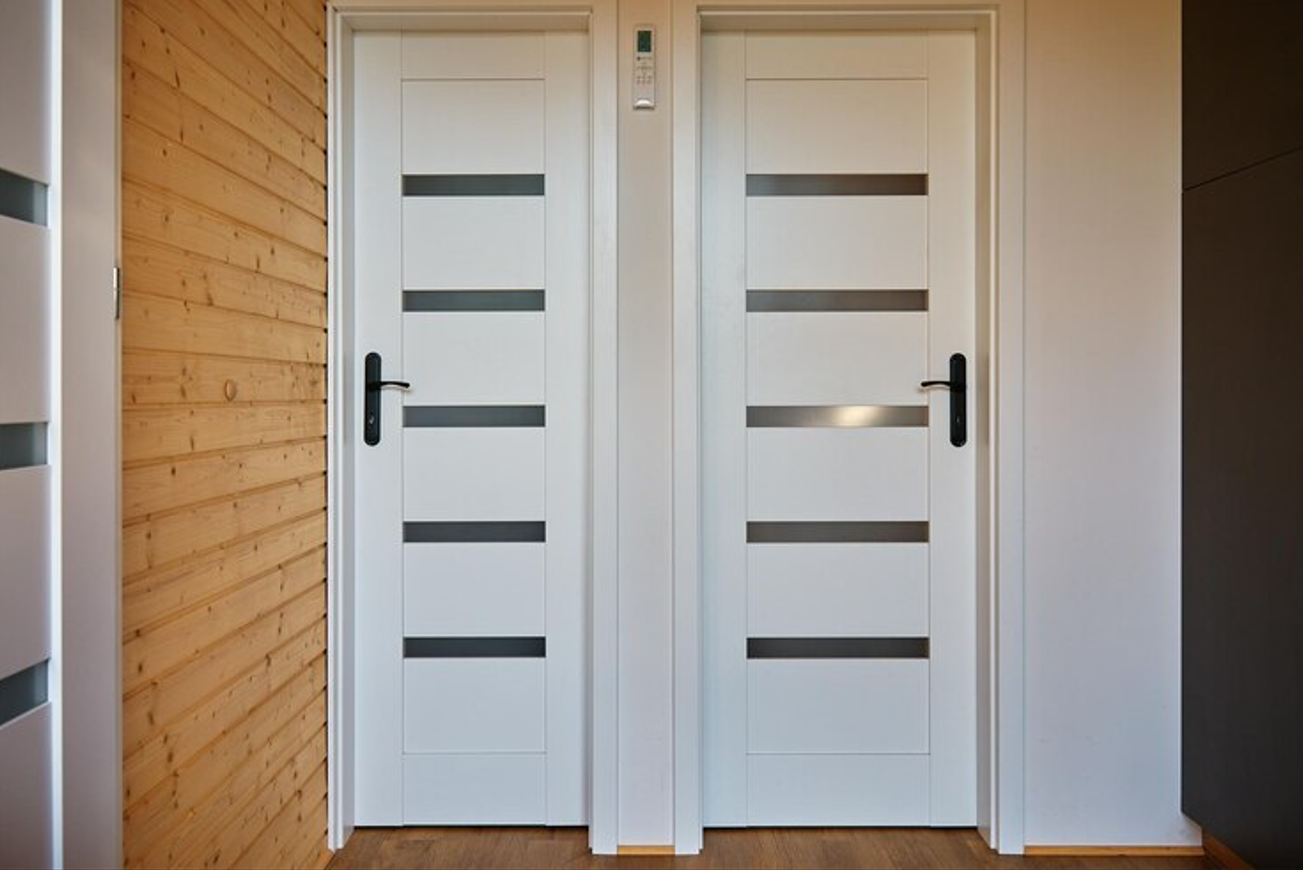
One of the most crucial choices you can make when improving the entry to your house is selecting the appropriate front door. A well-selected door increases energy efficiency, kerb appeal, security, and even property value. Aluminium and composite doors are two of the most popular options available today, but which is better for your house? We examine every facet of both materials in this thorough comparison so you can make an informed decision.
From durability and maintenance to energy efficiency, style options and long-term cost, we cover everything you need to consider when choosing between aluminium vs composite doors.
1. Introduction: Why Entrance Doors Matter
Your front door is more than a functional entry point — it’s a defining architectural feature.
Security
Your first line of defence against unwanted entrance is the front door. Your family and possessions are protected by a sturdy, well-designed door.
Energy Efficiency
Modern doors lower energy costs by keeping heat in your house, which is crucial given the climate in the UK.
Kerb Appeal and Style
Your entryway sets the tone for the rest of your house, regardless of whether you want classic traditional style or contemporary minimalism.
This leads us to the crucial question: composite or aluminium? Let's examine what each material has to offer.
2. What Are Aluminium Doors?
High-grade aluminium alloy is used to create the frames and panels of aluminium doors. Their sleek appearance, durability, and contemporary appeal have contributed to their recent rise in popularity.
Key Characteristics
- Lightweight yet incredibly strong
- Excellent resistance to corrosion and weathering
- Slim sightlines and modern design options
- Compatible with large glass panels
Aluminium doors are particularly popular on contemporary homes, but the range of finishes and colours now means they can complement traditional properties too.
3. What Are Composite Doors?
Composite doors are engineered products made from multiple materials bonded together. A typical composite entrance door has:
- A solid timber core for strength
- uPVC or GRP skin for weather resistance
- Reinforced frame for structural stability
This multi-layer construction gives composite doors their reputation for durability, insulation and classic look.
Key Characteristics
- Timber core for solidity
- Traditional panel styles often preferred on period homes
- Excellent thermal and acoustic insulation
- Range of finishes including woodgrain effects
Composite doors have been one of the most popular front door choices in the UK for years — particularly on period, cottage and suburban homes.
4. Durability and Longevity
When investing in a front door, longevity matters.
Aluminium Doors
Pros:
- Exceptional resistance to rust and corrosion
- Withstands harsh weather without swelling or warping
- Tough powder-coated finishes resist fading
Aluminium doors can last 30+ years with minimal care, making them one of the most durable choices available.
Composite Doors
Pros:
- Robust, impact-resistant surface
- No need for frequent repainting
- Holds shape well over time
When constructed and maintained correctly, composite doors can likewise survive for decades, but aluminium completely avoids the high humidity that can cause timber core expansion.
Winner (Durability): Aluminium — for long-term resilience and low-maintenance performance.
5. Security Comparison: Aluminium vs Composite Doors
Security is paramount for any home entrance.
Aluminium Doors
Aluminium frames are inherently strong and rigid. Combined with:
- Multipoint locking systems
- Reinforced hinges
- Toughened glazing options
…aluminium doors are among the most secure on the market.
Composite Doors
Composite doors also offer excellent security. Features often include:
- Steel reinforced frame
- High-quality multipoint locks
- Solid core construction
In independent tests, both materials score highly — but aluminium’s inherent strength gives it a slight edge.
Winner (Security): Aluminium — marginally stronger in terms of structural rigidity.
6. Energy Efficiency and Insulation
Good insulation helps reduce heating costs — vital in the UK.
Aluminium Doors
Historically, aluminium was a poor insulator — but modern doors use thermal break technology, which dramatically improves performance.
Thermal breaks are insulating strips that separate the inside and outside aluminium planes, reducing heat transfer.
Most modern aluminium doors achieve:
- U-values below 1.5 W/m²K
- Some achieve as low as 1.2 W/m²K
Composite Doors
Composite doors provide superior insulation because of its thick timber core and many skins.
Their typical U-values are between 1.2 and 1.4 W/m²K, which puts them on par with or even better than aluminium doors.
Winner (Energy Efficiency): Tie — both can meet and exceed modern insulation standards.
7. Aesthetic and Design Options
Style is often the deciding factor for homeowners.
Aluminium Doors
Known for sleek, minimalist aesthetics, aluminium doors:
- Offer slim frames and large glass panels
- Come in a wide range of RAL colours
- Can be custom made to unusual sizes
They suit modern architecture, urban homes and contemporary extension projects.
Composite Doors
Composite doors:
- Often emulate traditional timber door styles
- Offer woodgrain textures and classic colours
- Feature panelled designs popular on period homes
They are ideal for homeowners wanting a traditional look with modern performance.
Winner (Design Flexibility): Depends on preference
- Aluminium for modern, contemporary look
- Composite for classic, traditional homes
8. Maintenance: How Much Work Do They Need?
Aluminium Doors
Minimal maintenance — a wipe with warm soapy water is usually enough. The powder-coated finish resists fading and chipping.
Composite Doors
Also low maintenance compared with solid timber, but may benefit from occasional:
- Touch-up on paint or varnish
- Cleaning frame and hardware
Overall, both doors are far easier to maintain than traditional timber — but aluminium edges ahead thanks to its superior weather resistance.
Winner (Maintenance): Aluminium
9. Cost Comparison: What Will You Pay?
Budget considerations are important.
Aluminium Doors
Generally more expensive due to:
- Manufacturing complexity
- High-quality materials
- Customisation options
Typical UK prices (fully installed):
-
£1,500–£4,000+, depending on size and specification
Composite Doors
Often more affordable while still of premium quality.
Typical UK prices (fully installed):
-
£1,000–£3,000
Prices vary based on:
- Size
- Glazing options
- Hardware and finish
Winner (Cost): Composite — better value-for-money for many homeowners, but aluminium offers better long-term durability.
10. Weather Resistance and UK Climate Performance
The British weather can be demanding — wet, cold and changeable.
Aluminium
Outstanding performance:
- No swelling, cracking or warping
- UV-resistant
- Withstands coastal salt air
Composite
Also performs well:
- Weatherproof skins protect the core
- Good resistance to rain and frost
Aluminium is virtually impervious to environmental impacts, giving it an edge in harsh conditions.
Winner (Weather Resistance): Aluminium
11. Environmental Impact and Sustainability
Sustainability is increasingly important for UK homeowners.
Aluminium
-
Highly recyclable
-
Long lifespan reduces replacement waste
-
Energy-intensive to produce initially
Composite
- Manufactured from a mix of materials
- Timber core offers renewable content
- Recycling complexity varies
Both materials can be environmentally responsible when sourced and produced sustainably.
Winner (Sustainability): Tie — depends on specific product sourcing and manufacturing.
12. Installation: Professional vs DIY
Correct installation is essential for performance.
Aluminium Doors
Heavier and sometimes more complex to install. Professional installation is recommended to ensure:
- Perfect alignment
- Weather sealing
- Locking hardware fitted correctly
Composite Doors
Slightly easier for professionals or skilled DIYers but still benefits from expert fitting.
Winner (Installation Ease): Composite — marginally easier, but both benefit from professional installers.
13. Customisation and Personalisation Options
Modern doors are about identity as much as function.
Aluminium
- Full RAL colour matching
- Large glass panels and sidelights
- Slim contemporary sightlines
- Custom heights and widths
Composite
- Classic woodgrain finishes
- Decorative glazed panels
- Raised or flat panel designs
- Variety of hardware finishes
Both doors offer excellent customisation — aluminium for modern flair, composite for traditional character.
Winner (Customisation): Tie — depends on personal preference.
14. Noise Reduction and Acoustic Performance
In busy urban areas, noise reduction matters.
Aluminium
With appropriate glazing and seals, aluminium doors can deliver great acoustic performance.
Composite
Vibration and noise transfer are naturally lessened by the dense timber core.
Composite doors, particularly those with stronger glass, frequently perform marginally better.
Winner (Acoustic Performance): Composite
15. Property Value and Resale Impact
A well-chosen front door can enhance resale value.
Aluminium Doors
Tend to appeal to buyers seeking:
- Modern design
- Contemporary architecture
- Minimalist aesthetics
Composite Doors
Appeal to buyers of:
- Traditional homes
- Period properties
- Suburban family houses
Both can add value — again, matching the door to the home’s character is key.
Winner (Resale Impact): Tie — design-dependent
16. Popular Myths Debunked
Myth: Aluminium Doors Are Cold
Thanks to thermal breaks and quality glazing, aluminium doors are highly energy efficient.
Myth: Composite Doors Always Look Traditional
Modern composite designs are now available with sleek contemporary styling.
Myth: Aluminium Doors Are Too Expensive
While higher in price, the long-term benefits often outweigh upfront cost.
17. Case Studies: Real-Life Comparisons
Consider two families…
Case Study 1: Modern Extension
The Hughes family chose aluminium doors for:
- Sleek appearance
- Floor-to-ceiling glass
- Slim frames
Result: Light-filled entrance, excellent security, zero warping.
Case Study 2: Period Home Renovation
The Patel family chose a composite door for:
- Traditional panelled look
- Woodgrain finish
- Strong insulation
Result: Classic kerb appeal, warm feel, great value.
18. Final Verdict: Aluminium vs Composite Doors
So, which is best?
| Feature | Aluminium | Composite |
|---|---|---|
| Durability | ⭐⭐⭐⭐ | ⭐⭐⭐ |
| Security | ⭐⭐⭐⭐ | ⭐⭐⭐⭐ |
| Energy Efficiency | ⭐⭐⭐⭐ | ⭐⭐⭐⭐ |
| Design Flexibility | ⭐⭐⭐⭐ | ⭐⭐⭐ |
| Maintenance | ⭐⭐⭐⭐ | ⭐⭐⭐⭐ |
| Cost | ⭐⭐⭐ | ⭐⭐⭐⭐ |
| Weather Resistance | ⭐⭐⭐⭐ | ⭐⭐⭐ |
| Acoustic Insulation | ⭐⭐⭐ | ⭐⭐⭐⭐ |
Overall Summary
- Choose aluminium doors if you prioritise modern design, ultimate durability and low maintenance.
- Choose composite doors if you want traditional looks, excellent insulation and high value for money.
Both are excellent choices — the right one comes down to your home style, budget and personal preference.
19. Tips for Choosing the Right Door
Before you decide:
- Match the door style to your home’s architecture
- Consider glazing options for natural light
- Review energy ratings and security certifications
- Ask for a professional survey and quote
A well-chosen front door is an investment that pays dividends in comfort, security and value.
20. Conclusion
Whether you choose aluminium doors or composite doors, you’re selecting a high-performance entrance solution that enhances your home’s appearance and functionality.
The key difference lies in style emphasis and material benefits:
- Aluminium for modern strength
- Composite for traditional warmth
Ultimately, both kinds of doors operate exceptionally well. Your decision should be in line with your long-term goals for your house, functional priorities, and design vision.
For more information about our interior or exterior doors or door accessories, give us a call at 01603 622261 and speak to a member of our expert team today or Email us at sales@doorsuppliesonline.co.uk. We look forward to hearing from you.