
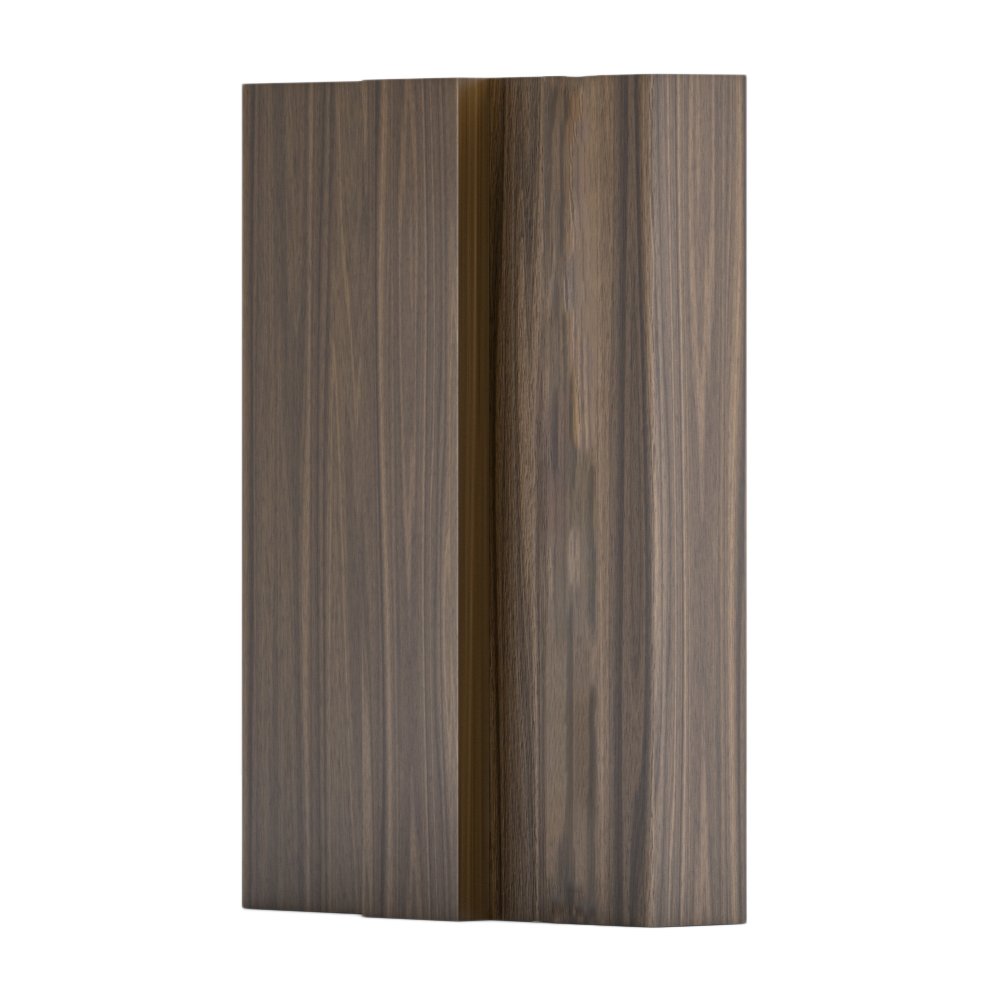
The majority of homeowners concentrate on the door's design, construction, glazing, and security features when evaluating door performance. However, the door frame kit and its weatherproofing are frequently disregarded, despite being one of the most important parts of any door installation.
Draughts, water intrusion, heat loss, condensation, and long-term structural damage can occur very fast when a high-quality door is installed in an improperly sealed or installed frame. Proper frame installation and weatherproofing are crucial in the UK's unpredictable climate, which is marked by frequent rain, wind, and temperature fluctuations.
We go over how frame kits operate, the importance of weatherproofing, typical causes of leaks and draughts, and practical ways to stop them in this thorough guide. This guide will assist you in achieving a tight, long-lasting, and weather-resistant door installation, whether you're a homeowner organising a renovation or a trade professional seeking to enhance installation quality.
1. Why Door Frame Kits Matter More Than You Think
A door frame kit does far more than simply hold a door in place. It forms the interface between the door leaf and the surrounding structure, playing a crucial role in:
- Air tightness
- Water resistance
- Structural stability
- Security
- Acoustic insulation
- Thermal efficiency
In many cases, issues blamed on “poor doors” are actually the result of inadequate frames or poor sealing.
The UK Climate Factor
The UK experiences:
- Frequent rainfall
- High humidity
- Strong winds
- Seasonal temperature swings
Without proper weatherproofing, moisture and cold air will exploit even the smallest gaps — especially around frames.
2. What Is a Door Frame Kit?
A door frame kit is a pre-manufactured set of components designed to create a complete door surround. Typically, it includes:
- Head (top section)
- Jambs (vertical sides)
- Stops (to position the door)
- Sometimes architraves or linings
Frame kits are available for:
- Internal doors
- External doors
- Fire-rated doors
- Bespoke or standard openings
They can be supplied in materials such as:
- Softwood
- Hardwood
- MDF
- uPVC
- Aluminium or composite systems
3. Internal vs External Frame Kits: Key Differences
Internal Frame Kits
Designed primarily for:
- Structural alignment
- Acoustic separation
- Visual finish
They do not require full weatherproofing, but still need to prevent:
- Air movement
- Sound leakage
- Heat loss between rooms
External Frame Kits
External door frames must withstand:
- Rain penetration
- Wind-driven water
- Temperature changes
- UV exposure
As a result, they require advanced weatherproofing features, including seals, thresholds, and correct installation techniques.
4. Understanding Draughts: Where Do They Come From?
Draughts are caused by uncontrolled air movement through gaps in the building envelope. Around doors, common sources include:
- Gaps between the frame and wall
- Poorly sealed frame joints
- Inadequate or worn door seals
- Misaligned doors
- Low-quality thresholds
Even a 2–3mm gap can significantly impact comfort and energy efficiency.
Signs of Draught Problems
- Cold air near the door
- Whistling sounds in wind
- Higher heating bills
- Uneven room temperatures
5. What Is Water Ingress and Why Is It So Serious?
Water ingress occurs when moisture penetrates the building fabric through gaps or weak points around the door frame.
Common Causes
- Incorrectly installed frame kits
- Missing or damaged seals
- Poor threshold detailing
- Lack of drainage channels
- Failed sealant or membranes
Consequences of Water Ingress
- Rot in timber frames
- Swelling and warping
- Mould and damp patches
- Damage to flooring and plaster
- Reduced lifespan of the door
Preventing water ingress is not just about comfort — it’s about protecting the structure of your home.
6. Key Components of a Weatherproof Door Frame System
To prevent draughts and water ingress, a door frame system must work as a complete sealed unit.
6.1 Frame-to-Wall Sealing
This is one of the most commonly overlooked areas.
Essential solutions include:
- Expanding foam (low-expansion)
- Airtight tapes
- DPC or cavity closers
- Silicone or hybrid sealants
6.2 Door Seals and Gaskets
Modern external doors use:
- Compression seals
- Brush seals
- Rubber or EPDM gaskets
These create an airtight seal when the door closes.
6.3 Thresholds
A properly designed threshold:
- Prevents water from entering
- Allows drainage
- Supports accessibility requirements
Options include:
- Weathered timber thresholds
- Aluminium low-profile thresholds
- Thermal break thresholds
7. The Role of Frame Materials in Weatherproofing
Timber Frame Kits
Pros:
- Traditional appearance
- Easy to adjust on site
- Excellent insulation
Cons:
- Vulnerable to moisture if not treated
- Requires correct sealing and maintenance
Best practice:
- Use treated timber
- Seal all cut ends
- Paint or finish before installation
uPVC Frame Kits
Pros:
- Highly weather-resistant
- Low maintenance
- Integrated seals
Cons:
- Limited design flexibility
- Expansion and contraction must be managed
Aluminium Frame Kits
Pros:
- Excellent durability
- Slim profiles
- Resistant to rot and corrosion
Cons:
- Requires thermal breaks
- Precise installation needed
8. Correct Installation: The Foundation of Weatherproofing
Even the best frame kit will fail if installed incorrectly.
Step-by-Step Best Practice
Prepare the Opening
-
-
Check levels and squareness
-
Remove debris and old sealant
-
Dry Fit the Frame
-
-
Ensure correct alignment
-
Confirm door clearance
-
Fix Mechanically
-
-
Use appropriate fixings
-
Avoid distorting the frame
-
Seal the Perimeter
-
-
Apply expanding foam evenly
-
Use airtight tapes internally
-
Apply weatherproof sealant externally
-
Install Threshold and Drainage
-
-
Ensure correct fall away from the building
-
Avoid bridging DPCs
-
9. Common Installation Mistakes That Cause Leaks and Draughts
Avoid these frequent errors:
- Over-expanding foam that distorts frames
- Gaps left unsealed behind architraves
- Incorrect threshold height
- Using internal sealant externally
- Skipping airtight membranes
Many water ingress issues appear months after installation, once damage has already begun.
10. Fire Door Frame Kits and Weatherproofing
Fire-rated doors require compatible frame kits to maintain compliance.
Key considerations:
- Correct intumescent seals
- Approved frame materials
- Accurate tolerances
While fire doors are often internal, external fire-rated doors still require full weatherproofing without compromising safety certification.
11. Retrofitting Weatherproofing to Existing Door Frames
Not all solutions require full replacement.
Draught-Proofing Solutions
- Replace worn seals
- Add compression strips
- Fit draught excluders
- Seal gaps with flexible sealant
Water Ingress Solutions
- Replace failed external sealant
- Install weather bars
- Improve drainage at threshold
- Add canopy or overhang protection
These upgrades can significantly improve performance at a fraction of the cost of replacement.
12. Energy Efficiency and Building Regulations
In the UK, external doors must meet energy performance standards.
How Frames Affect U-Values
Even a high-performance door can fail compliance if:
- The frame is poorly insulated
- Gaps allow thermal bridging
- Air leakage is excessive
Modern frame kits are designed to:
- Support Part L compliance
- Reduce heat loss
- Improve EPC ratings
13. Noise Reduction: An Added Benefit of Proper Sealing
Well-sealed frame kits also improve:
- Acoustic insulation
- Privacy
- Comfort in urban environments
This is especially beneficial for:
- Homes near roads
- Flats and apartments
- Home offices
14. Choosing the Right Frame Kit for Your Door
When selecting a frame kit, consider:
- Door type (internal, external, fire-rated)
- Wall construction (brick, timber, cavity)
- Exposure to weather
- Threshold requirements
- Finish and aesthetics
Always ensure:
- Frame and door compatibility
- Correct sizing
- Compliance with UK standards
15. Maintenance Tips to Keep Frames Weatherproof
Preventative care extends lifespan.
Annual Checks
- Inspect seals for wear
- Check external sealant
- Clean drainage channels
- Adjust hinges if required
Early intervention prevents costly repairs later.
16. Trade vs DIY: Who Should Install Frame Kits?
While experienced DIYers can install internal frame kits, external doors benefit from professional installation due to:
- Weatherproofing complexity
- Compliance requirements
- Warranty protection
A poorly fitted frame often costs more to fix than to install correctly in the first place.
17. Future-Proofing Your Door Installation
Modern frame kits are evolving to include:
- Enhanced thermal breaks
- Pre-fitted seals
- Integrated membranes
- Sustainable materials
Choosing high-quality systems now ensures long-term performance.
18. Final Thoughts: Why Frame Kits Are the Unsung Heroes of Door Performance
Frame kits and weatherproofing are not optional extras — they are fundamental to door performance.
By investing in:
- The right frame material
- Correct installation techniques
- Proper sealing and maintenance
…you can prevent draughts, water ingress, heat loss, and structural damage, ensuring your door performs exactly as it should for years to come.
Key Takeaway
The quality of a door depends on the frame it is installed in. You'll have a warmer, drier, and more secure house no matter what the British weather throws at you if you prioritise high-quality frame kits and weatherproofing.
For more information about our interior or exterior doors or door accessories, give us a call at 01603 622261 and speak to a member of our expert team today or Email us at sales@doorsuppliesonline.co.uk. We look forward to hearing from you.