
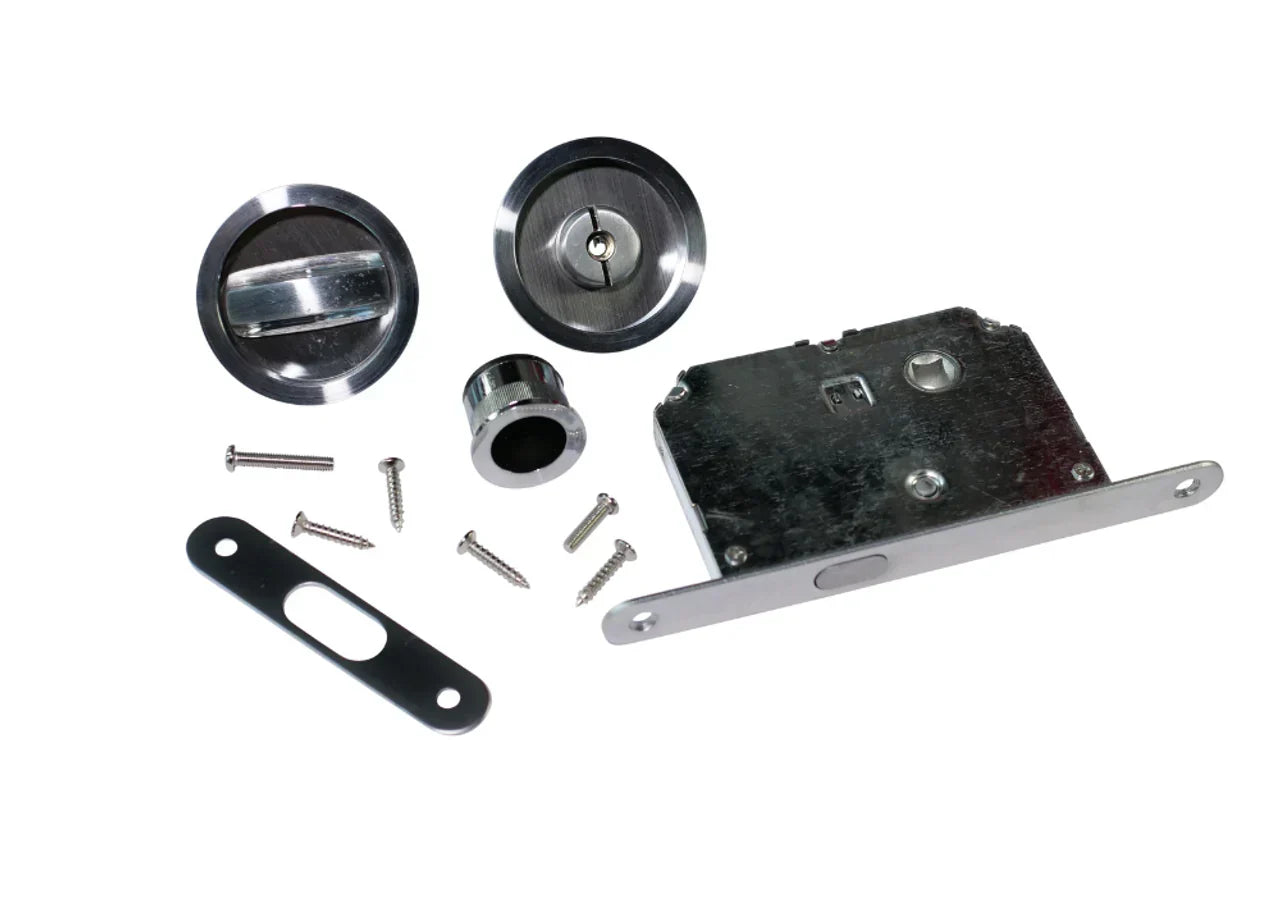
Door locks are essential for home security, but they can sometimes encounter issues that compromise their effectiveness. Understanding common door lock problems and knowing how to fix them can help you maintain a secure and functional home. This guide covers the most frequent door lock issues and provides practical solutions to address them.
Many homeowners experience common problems such as:
- A door lock not working properly
- A stiff key that won’t turn
- A jammed lock mechanism
- Misaligned latches
- Broken handles or cylinders
Fortunately, many lock issues can be identified and fixed before they become serious security risks.
In this complete guide, we’ll explore:
- Common front door lock problems
- How to fix a stiff door lock
- Emergency door lock troubleshooting
- uPVC lock issues
- Cylinder lock problems
- Door alignment fixes
- Security advice for homeowners
Whether you’re dealing with a sticking lock or a door that won't secure properly, this guide will help you diagnose the problem and determine the best solution.
Common Door Lock Problems
Some of the most frequent issues include:
- The key won't turn in the lock.
- The latch doesn't fully engage.
- The door won't lock when closed.
- The handle feels loose or stiff.
- The lock is difficult to operate.
- A key has snapped or become stuck inside the lock.
How to Fix a Door Lock That Won't Lock
Start by checking whether the door is correctly aligned with the frame. A door that has dropped can prevent the lock from engaging properly. Tighten loose screws, lubricate the lock with a suitable silicone or graphite lubricant, and inspect the strike plate for alignment. If the lock is worn or damaged, replacing the lock mechanism may be the best solution.
How to Fix a Broken Door Lock
If you have a broken door lock, first identify whether the issue lies with the lock, handle or door alignment. Remove the handle to inspect the internal mechanism, replace any damaged components and ensure all fixings are secure. If the lock has failed completely or the key is broken inside, fitting a new lock is often the safest option.
Front Door Lock Problems
External doors are more likely to experience wear due to frequent use and exposure to the weather. Common front door lock problems include worn cylinders, stiff multipoint locks and doors that have shifted over time. Regular cleaning, lubrication and prompt repairs will help maintain reliable security and extend the life of your door lock.
Why Door Locks Develop Problems


Door locks experience daily wear and tear.
Over time, factors such as:
- Frequent use
- Dirt buildup
- Weather exposure
- Misalignment
- Poor installation
- Temperature changes
can affect lock performance.
Ignoring small issues often leads to:
- More expensive repairs
- Reduced home security
- Complete lock failure
Regular maintenance helps extend the lifespan of your locks and doors.
1. Door Lock Not Working Properly


One of the most common homeowner complaints is a door lock that suddenly stops working correctly.
Symptoms Include:
- Key difficult to turn
- Lock feels stiff
- Door won’t latch
- Key gets stuck
- Lock only works intermittently
Common Causes:
- Dirt inside the mechanism
- Lack of lubrication
- Misaligned door
- Worn internal parts
- Damaged cylinder
Solutions:
- Clean and lubricate the lock
- Check door alignment
- Tighten loose screws
- Replace worn cylinders if necessary
If the key feels rough or catches repeatedly, avoid forcing it as this may snap the key inside the lock.
2. How to Fix a Stiff Door Lock


A stiff lock is usually an early warning sign of a developing issue.
Common Causes of Stiff Locks:
- Dirt or debris buildup
- Dry internal components
- Cold weather
- Misalignment
- Worn keys
Step-by-Step Fix for a Stiff Door Lock
Step 1: Clean the Lock
Use compressed air or a lock-safe cleaner.
Step 2: Lubricate the Mechanism
Use:
- Graphite lubricant
- Silicone-based spray
Avoid oil-heavy products that attract dirt.
Step 3: Check the Door Alignment
Misaligned doors often strain locking systems.
Step 4: Test the Key
A bent or worn key may also cause stiffness.
3. Front Door Lock Misalignment Problems


Sometimes the lock itself works perfectly, but the door no longer lines up with the frame.
Signs of Misalignment:
- Door difficult to lock
- Latch misses strike plate
- Need to lift handle forcefully
- Lock works only when pushing the door
Causes Include:
- House movement
- Loose hinges
- Seasonal expansion
- Door sagging
How to Fix It
Adjust the Hinges
Tightening or repositioning hinges can improve alignment.
Reposition the Strike Plate
Small adjustments may help the latch engage correctly.
Check uPVC Door Alignment
uPVC doors often require hinge adjustments over time.
4. uPVC Door Lock Problems


uPVC doors are common in UK homes, but their multi-point locking systems can occasionally develop faults.
Common uPVC Lock Issues:
- Handle difficult to lift
- Multi-point lock not engaging
- Lock jams halfway
- Door drops out of alignment
Solutions:
- Adjust hinges
- Lubricate locking points
- Replace worn gearboxes
- Realign the door frame
If the mechanism completely fails, professional repair may be required.
5. Key Stuck in Door Lock


A stuck key can become an emergency if handled incorrectly.
Common Causes:
- Worn lock cylinder
- Bent key
- Dirt buildup
- Internal lock damage
Emergency Troubleshooting Steps
Do NOT Force the Key
This may snap it.
Apply Lubricant Carefully
Use graphite or silicone spray.
Wiggle Gently
Move the key slowly while lightly turning.
Try Spare Keys
If the spare works smoothly, the original key may be worn.
When to Call a Locksmith
If the key remains stuck or partially broken inside the cylinder.
6. Door Handle Problems


Door handles are closely connected to locking systems.
Common Problems:
- Loose handles
- Handles spinning freely
- Handles sticking
- Broken return springs
Fixes:
- Tighten screws
- Replace springs
- Lubricate moving parts
- Replace worn handles
If the internal gearbox fails, replacing the entire mechanism may be necessary.
7. Frozen Door Locks in Winter
Cold weather can affect external locks.
Signs:
- Key won’t insert fully
- Lock frozen solid
- Stiff operation in cold mornings


Solutions:
- Use lock de-icer
- Warm the key carefully
- Avoid boiling water which may refreeze
Regular lubrication before winter helps prevent freezing.
8. Broken Lock Cylinders
Cylinder locks are common on:
- uPVC doors
- Composite doors
- Front entrance doors
Signs of Cylinder Failure:
- Key spins without locking
- Lock difficult to engage
- Key enters but won’t turn
Causes:
- Internal wear
- Attempted break-ins
- Poor-quality cylinders
Security Tip:
Upgrade to:
- Anti-snap cylinders
- TS007-rated locks
- High-security euro cylinders


9. Multi-Point Locking System Failure
Multi-point locks secure doors at multiple positions.
When they fail, doors may:
- Jam completely
- Refuse to lock
- Become difficult to open
Causes Include:
- Gearbox failure
- Door misalignment
- Worn components
Symptoms:
- Handle feels loose
- Lock clicks abnormally
- Door catches during operation
Professional repairs are often required for full mechanism replacement.
Emergency Door Lock Troubleshooting


If You’re Locked Out:
Check Alternative Entrances
Never force the door immediately.
Avoid Excessive Pressure
Forcing locks may worsen damage.
Call a Locksmith if Necessary
Especially for:
- Snapped keys
- Failed mechanisms
- Security concerns
Home Security Advice for Door Locks
Good locks are essential for home protection.
Best Practices Include:
- Upgrade outdated locks
- Use anti-snap cylinders
- Maintain locks regularly
- Replace damaged keys
- Check alignment periodically


Signs Your Lock Needs Replacing
Replace locks if you notice:
- Frequent sticking
- Rust or corrosion
- Loose cylinders
- Visible damage
- Security concerns after moving house
Old or unreliable locks reduce overall home security.
Preventing Future Door Lock Problems
Regular Maintenance Tips:
- Lubricate locks twice yearly
- Tighten loose screws
- Clean locking mechanisms
- Avoid slamming doors
- Check alignment regularly
Simple maintenance often prevents costly future repairs.
When to Call a Professional Locksmith
DIY fixes work for many minor problems, but expert help is recommended if:
- Keys snap inside locks
- Locks fail completely
- Security is compromised
- Multi-point systems break internally
Professional locksmiths can:
- Diagnose hidden issues
- Improve security
- Replace damaged components safely
Final Thoughts
Door lock problems are common, but many can be resolved quickly with proper maintenance and early troubleshooting.
Whether you are dealing with:
- A door lock is not working properly
- A stiff front door lock
- uPVC alignment issues
- A stuck key
or - Multi-point locking problems
Understanding the cause is the first step toward restoring security and functionality.
By maintaining locks regularly and addressing problems early, homeowners can improve:
- Home security
- Door performance
- Convenience
- Long-term reliability
A well-maintained lock system not only protects your property but also provides valuable peace of mind.
For more information about our interior or exterior doors or door accessories, give us a call at 01603 622261 and speak to a member of our expert team today or Email us at sales@doorsuppliesonline.co.uk. We look forward to hearing from you.