
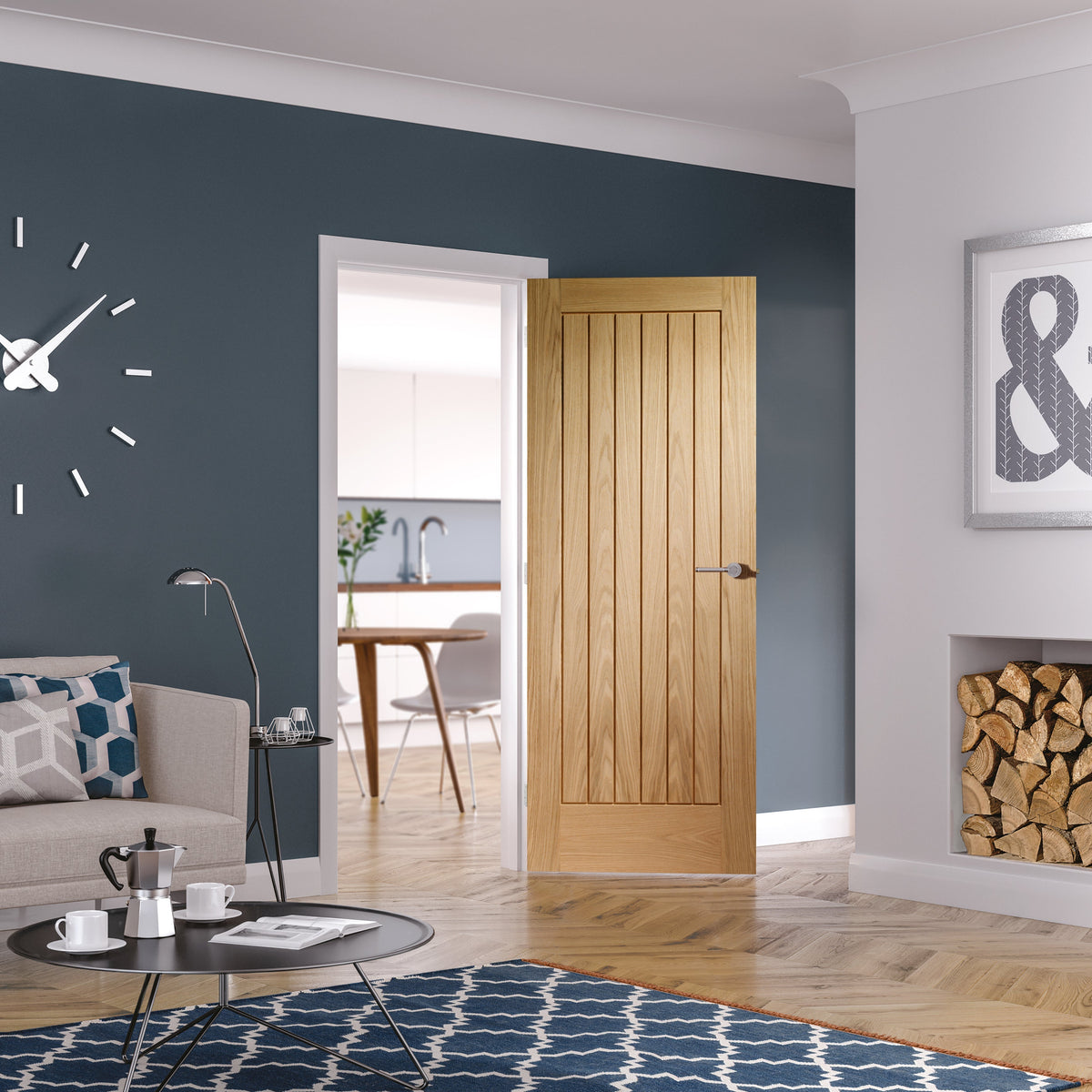
The majority of individuals consider the material, style, and panel design when selecting internal doors for their homes. The ending, however, is one of the most crucial, and frequently overlooked, decisions. An internal door's finish influences not just how it looks but also how it fades over time, requires maintenance, blends in with your interior design, and even affects your budget.
Today's market offers more possibilities than ever before, ranging from painted finishes to veneered options, from pre-finished doors to untreated timber. Every finish has unique benefits, limitations, and best practices.
We'll examine every major internal door finish available in the UK in this in-depth guide, evaluate their functionality, price, and appearance, and assist you in selecting the finish that will work best for your house.
1. Why Internal Door Finishes Matter More Than You Think
An internal door finish does much more than determine colour. It influences:
- Durability and resistance to wear
- Ease of cleaning and maintenance
- Suitability for high-traffic areas
- Long-term appearance
- Installation time and cost
- Overall interior cohesion
A poorly chosen finish can quickly show scratches, fade, or clash with décor, while the right finish enhances your space for years.
2. Understanding the Main Types of Internal Door Finishes
Before comparing finishes, it’s helpful to understand the main categories commonly available in the UK market:
- Pre-finished doors
- Unfinished doors
- Painted doors (factory or site finished)
- Veneered doors
- Laminate and foil-wrapped doors
- Primed doors
Each has its place depending on budget, style, and usage.
3. Pre-Finished Internal Doors
What Are Pre-Finished Doors?
Pre-finished internal doors arrive fully finished from the factory, meaning no additional painting, staining, or sealing is required after installation.
They are typically:
- Lacquered
- UV-cured
- Factory sealed
Advantages of Pre-Finished Doors
- Time-saving: Install and use immediately
- Consistent finish: Factory-controlled quality
- Durable surface: Resistant to scratches and fading
- Low maintenance: Easy to clean and maintain
Pre-finished doors are ideal for busy households, renovations with tight deadlines, or homeowners who want a clean, professional finish without extra work.
Disadvantages
- Limited colour customisation
- Repairs can be harder to blend
- Slightly higher upfront cost
Best For
- Modern homes
- Rental properties
- New builds
- Homeowners wanting minimal hassle
4. Unfinished Internal Doors
What Are Unfinished Doors?
Unfinished doors are supplied as bare timber or MDF, ready to be painted, stained, or varnished on site.
Advantages of Unfinished Doors
- Total customisation: Any colour or stain
- Easier repairs: Sand and refinish if damaged
- Often lower initial cost
Disadvantages
- Requires time, tools, and skill
- Inconsistent finish if poorly applied
- Additional cost for paints, oils, or varnishes
Best For
- DIY enthusiasts
- Bespoke interiors
- Period properties
- Colour-matched schemes
5. Painted Internal Doors
Factory-Painted Doors
These doors are sprayed in controlled conditions for a smooth, even finish.
Pros:
- Flawless surface
- Faster installation
- Durable paint coatings
Cons:
- Limited colour range
- Touch-ups may show
Site-Painted Doors
Painted after installation, offering full colour freedom.
Pros:
- Any colour available
- Easy to repaint later
Cons:
- Time-consuming
- Quality depends on workmanship
Best For
- Colour-coordinated interiors
- Feature doors
- Traditional and contemporary homes
6. Veneered Internal Doors
What Is a Veneer Finish?
Veneered doors use a thin layer of real wood bonded over a solid or engineered core, giving the appearance of solid timber without the cost.
Common veneers include:
- Oak
- Walnut
- Ash
- Maple
Advantages of Veneered Doors
- Natural wood appearance
- More affordable than solid timber
- Stable and less prone to warping
- Consistent grain patterns
Disadvantages
- Limited sanding or refinishing
- Damage can be difficult to repair
- Veneer thickness varies by quality
Best For
- Contemporary homes
- Natural interiors
- Mid-range budgets
7. Laminate and Foil-Wrapped Door Finishes
Laminate Doors
Laminate finishes use durable synthetic layers bonded to the door surface.
Pros:
- Extremely durable
- Scratch-resistant
- Easy to clean
- Cost-effective
Cons:
- Less authentic appearance
- Limited repair options
Foil-Wrapped Doors
Often found on budget or mass-produced doors.
Pros:
- Affordable
- Consistent finish
Cons:
- Vulnerable to peeling
- Shorter lifespan
Best For
- Rental properties
- High-traffic areas
- Budget-conscious projects
8. Primed Internal Doors
What Are Primed Doors?
Primed doors are pre-coated with an undercoat, ready for final painting.
Advantages
- Saves preparation time
- Provides smooth paint base
- More flexible than fully finished doors
Disadvantages
- Still requires painting
- Final finish depends on paint quality
Best For
- Homeowners wanting a custom colour
- Faster DIY projects
9. Internal Door Finishes and Room-by-Room Considerations
Living Rooms and Dining Areas
Best finishes:
- Veneered oak or walnut
- Painted satin or eggshell
- Pre-finished timber
Why?
These rooms benefit from visual warmth and durability, without extreme wear.
Bedrooms
Best finishes:
- Painted doors
- Veneered finishes
- Primed and customised options
Bedrooms allow more freedom for colour and finish choice.
Kitchens and Utility Rooms
Best finishes:
- Pre-finished doors
- Laminates
- Painted doors with washable coatings
Moisture resistance and easy cleaning are key.
Bathrooms
Best finishes:
- Pre-finished doors
- Laminates
- Moisture-resistant painted doors
Avoid untreated timber in high-humidity areas.
10. Internal Door Finishes for Traditional Homes
Traditional interiors benefit from finishes that reflect craftsmanship:
- Painted panel doors in white, cream, or heritage colours
- Oak or walnut veneers
- Unfinished timber for bespoke staining
Matte and eggshell finishes are often preferred over high gloss.
11. Internal Door Finishes for Modern Homes
Modern properties typically favour:
- Pre-finished minimalist doors
- Laminates with smooth textures
- Bold painted colours
- Flush doors with uniform finishes
Consistency and clean lines are key.
12. Durability and Maintenance Comparison
| Finish Type | Durability | Maintenance |
|---|---|---|
| Pre-finished | High | Low |
| Painted | Medium | Medium |
| Veneered | Medium | Low |
| Laminate | Very High | Very Low |
| Unfinished | Variable | High |
| Primed | Depends on paint | Medium |
13. Cost Comparison of Internal Door Finishes
Budget (£60–£120 per door)
- Primed doors
- Foil-wrapped finishes
- Basic laminates
Mid-Range (£120–£250)
- Veneered doors
- Factory-painted doors
- Pre-finished MDF
Premium (£250+)
- High-quality veneers
- Solid timber finishes
- Bespoke painted doors
Always factor in:
- Painting costs
- Labour
- Long-term maintenance
14. Fire Doors and Finish Compatibility
Fire-rated internal doors must use approved finishes to maintain certification.
Key considerations:
- Intumescent compatibility
- Paint thickness limits
- Manufacturer-approved finishes
Always check certification before refinishing fire doors.
15. Environmental Considerations
Eco-conscious homeowners may prefer:
- Water-based paints
- Pre-finished doors (reduced waste)
- Engineered cores (less timber usage)
Sustainability increasingly influences finish choice.
16. Common Mistakes When Choosing Door Finishes
Avoid:
- Choosing gloss finishes in high-traffic areas
- Using untreated timber in bathrooms
- Ignoring long-term maintenance
- Mixing too many finishes in one space
- Painting after fitting without sealing edges
17. Matching Internal Door Finishes with Flooring and Joinery
For a cohesive look:
- Match undertones, not exact colours
- Use contrasting finishes intentionally
- Coordinate with skirting, architraves, and handles
Internal doors should complement, not compete with your interior.
18. Pre-Finished vs DIY Finished Doors: Which Is Better?
Pre-Finished
- Faster
- Consistent quality
- Less mess
DIY Finished
- Full customisation
- Easier future updates
- Potential cost savings
The right choice depends on time, skill level, and design goals.
19. Trends in Internal Door Finishes (UK Homes)
Popular trends include:
- Soft neutral painted finishes
- Natural wood veneers
- Matte black and dark grey feature doors
- Flush doors with hidden hinges
- Matching doors and wall colours
20. Final Thoughts: Choosing the Best Internal Door Finish for Your Home
There is no single “best” internal door finish, only the best finish for your needs.
When deciding, consider:
- Your home’s style
- Room usage
- Budget
- Maintenance expectations
- Installation timeline
Choosing the correct internal door finish will improve the look, functionality, and longevity of your house, whether you go for painted adaptability, veneered elegance, or pre-finished ease.
Key Takeaway
The finish of an interior door is an investment in comfort, design, and durability that pays off over time. Your doors will improve your house for many years to come if you make the right choice.
For more information about our interior or exterior doors or door accessories, give us a call at 01603 622261 and speak to a member of our expert team today or Email us at sales@doorsuppliesonline.co.uk. We look forward to hearing from you.