
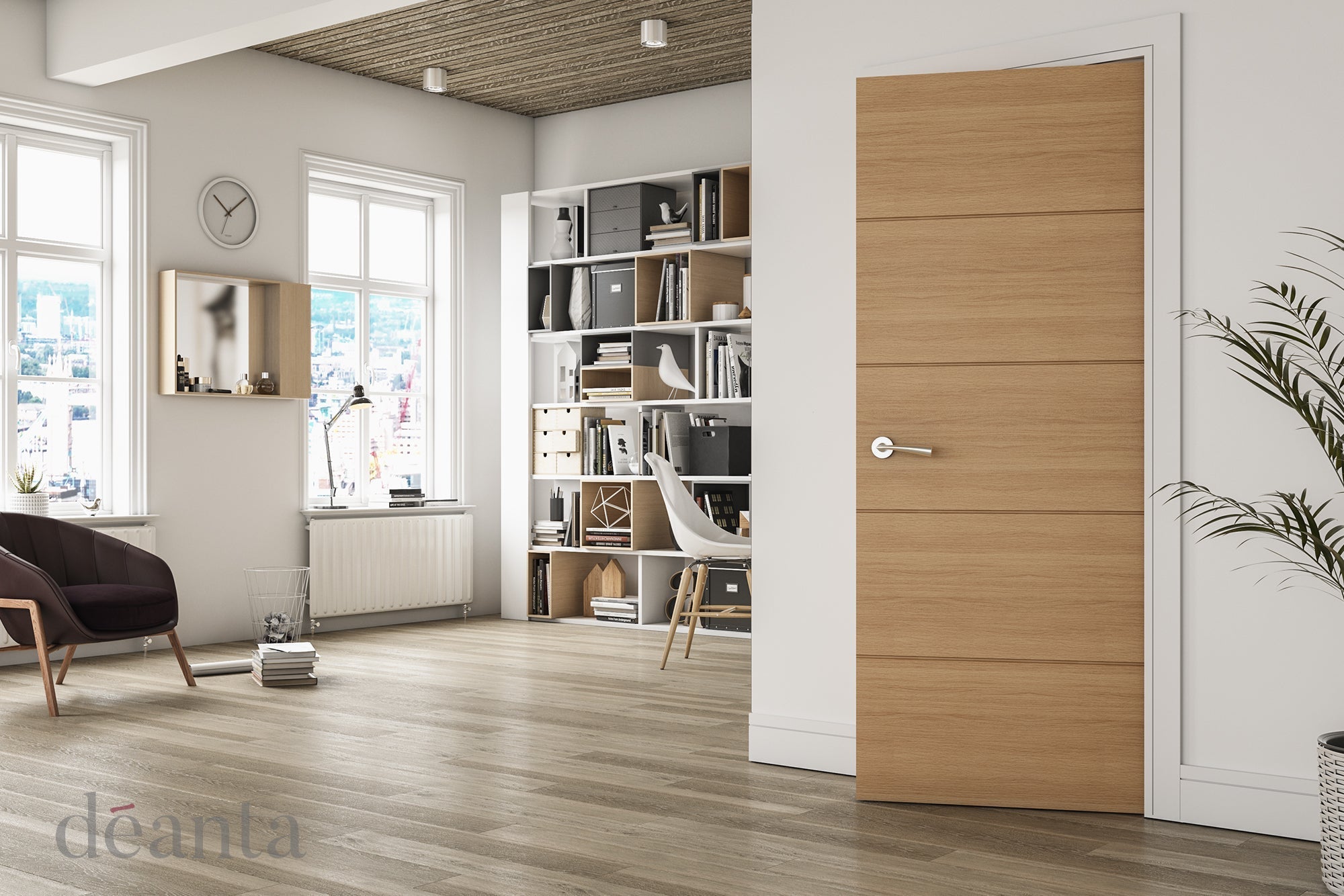
Sturdy doors are one of the best ways to improve the entrances of your house since they mix charm, functionality, and design. Stable doors, sometimes referred to as Dutch doors or half doors, have a horizontal split that permits the top and bottom sections to open separately. This distinctive design preserves a classic look while providing air, light, and security.
Stable doors are adaptable enough to fit any home and budget, from classic timber doors to contemporary pre-hung sets. In order to assist you in selecting the ideal solution for your house, we will examine the advantages, design choices, installation techniques, and financial factors of stable doors in this guide.
1. What Is a Stable Door? Understanding the Basics
A stable door is divided horizontally into two sections:
- Top half: Can open independently for ventilation or to greet visitors
- Bottom half: Remains closed to provide security and safety for pets or children
Originally used in stables and barns to manage animals, these doors have been adapted for modern domestic use, offering a blend of rustic charm and practicality.
Key features of stable doors:
- Split design for flexible opening
- Timber, uPVC, or composite construction
- Optional glazing panels in the top section
- Traditional or modern hardware
2. Why Choose a Stable Door? Key Benefits
2.1 Improved Ventilation
Fresh air can enter your home without compromising security if you only open the top half. This is perfect for places where you need the bottom half closed but still require airflow, like kitchens or utility rooms.
2.2 Enhanced Safety
Stable doors allow you to keep an eye on kids and dogs or engage with guests through the upper half while keeping them safe.
2.3 Unique Style
Stable doors are striking, giving cottages, country homes, or contemporary buildings with a rustic flair personality and curb appeal.
2.4 Versatile Functionality
Modern stable doors can accommodate:
- Letterboxes
- Dog flaps
- Multi-point locking systems
- Decorative glazing
3. Materials and Construction Options
3.1 Traditional Timber Stable Doors
Timber is the classic choice for stable doors, offering:
- Warmth and natural beauty
- Customisable panels and finishes
- Longevity when properly maintained
Types of timber:
- Oak: Durable and traditional
- Softwood (e.g., pine): Cost-effective and easy to work with
- Accoya or treated timber: Enhanced weather resistance
Pros: Authentic aesthetic, strong and repairable
Cons: Requires periodic maintenance such as painting or oiling
3.2 Composite Stable Doors
Composite doors combine materials such as timber, uPVC, and GRP to offer:
- Weatherproofing and insulation
- Minimal maintenance
- Modern finishes that mimic timber grain
Pros: Durable, low-maintenance, energy-efficient
Cons: Less traditional character than solid timber
3.3 uPVC Stable Doors
Modern uPVC options provide:
- Low-cost solutions
- Resistant to rot and moisture
- Variety of colours and finishes
Pros: Affordable, maintenance-free, weather-resistant
Cons: Can appear less traditional; may not suit heritage properties
4. Pre-Hung vs DIY Stable Doors
4.1 Pre-Hung Stable Doors
Pre-hung doors arrive fully assembled within a frame, ready to fit.
Benefits include:
- Faster installation
- Factory-fitted hinges and locks
- Pre-machined handle and latch positions
- Reduced risk of installation errors
Ideal for: Homeowners seeking quick, professional installation or modern properties
4.2 DIY Stable Doors
DIY options allow for greater customization:
- Choose timber, panels, and hardware
- Assemble and fit yourself for cost savings
Considerations: Requires joinery skills, time, and tools. Mistakes can lead to gaps, draughts, or misalignment.
5. Style Options: Traditional vs Modern Stable Doors
5.1 Traditional Stable Doors
- Raised panel designs
- Classic glazing patterns
- Timber finishes or painted colours like white, cream, or green
- Suitable for cottages, farmhouses, or period homes
5.2 Modern Stable Doors
- Flat-panel or minimalist designs
- Bold colours such as grey, black, or blue
- Pre-hung frames with integrated locks and seals
- Large glass panels for natural light
Tip: Match door style with property architecture for maximum impact.
6. Glazing Options for Stable Doors
Adding glazing enhances both style and functionality:
- Clear or frosted glass: Maintains privacy while allowing light
- Leaded or Georgian-style panes: Classic aesthetic for traditional homes
- Double-glazing: Improved thermal efficiency
- Decorative or patterned glass: Adds uniqueness and kerb appeal
Pro Tip: Choose glazed panels in the top half to maximise airflow while keeping the bottom half secure.
7. Hardware and Security Features
A stable door isn’t complete without reliable hardware:
7.1 Hinges
- Traditionally external or butt hinges
- Modern options include concealed or adjustable hinges
7.2 Locks
- Multipoint locks for high-security homes
- Shoot bolts for additional bottom-half security
7.3 Handles and Latches
- Traditional ironmongery for heritage style
- Modern brushed steel or chrome for contemporary doors
7.4 Optional Extras
- Letterboxes
- Dog flaps
- Weatherbars for draught prevention
8. Weatherproofing Stable Doors
Weatherproofing is essential to prevent:
- Draughts
- Water ingress
- Swelling or warping
Techniques include:
- Sealed frames and thresholds
- Compression or brush seals
- Overhangs or canopies for external doors
- Proper finishing of timber with paint, stain, or oil
Pro Tip: Pre-hung stable doors often include factory-fitted seals, reducing installation errors.
9. Installation Considerations
9.1 Site Preparation
- Ensure the opening is level and square
- Remove debris or old frame components
9.2 Fitting a Pre-Hung Door
- Position frame plumb and level
- Secure hinges and check swing
- Seal gaps between frame and wall
9.3 Fitting a DIY Door
- Assemble panels and frame
- Fit hinges and locks carefully
- Adjust door to avoid rubbing or misalignment
Tip: Professional installation guarantees maximum performance and longevity, particularly for external doors.
10. Cost Comparison: Stable Doors for Every Budget
10.1 Traditional Timber Stable Doors
- Cost: £500–£1,500
- Pros: Authentic, long-lasting, bespoke options
- Cons: Higher maintenance, slightly higher initial cost
10.2 Composite Stable Doors
- Cost: £600–£1,200
- Pros: Durable, low-maintenance, energy-efficient
- Cons: Less traditional character
10.3 uPVC Stable Doors
- Cost: £400–£900
- Pros: Affordable, weatherproof, low maintenance
- Cons: Limited design options, less premium feel
10.4 Pre-Hung Sets
- Cost: £700–£1,500 (timber or composite)
- Pros: Fast installation, factory-fitted seals, consistent quality
- Cons: Slightly higher upfront cost than DIY
Tip: Factor in long-term durability, maintenance, and installation costs when comparing prices.
11. Maintenance Tips for Stable Doors
Proper care extends the life of any stable door:
- Timber doors: Repaint or oil annually
- Composite doors: Wipe clean; check seals
- uPVC doors: Clean with mild detergent; avoid abrasive cleaners
- Check hardware: Lubricate locks, hinges, and latches
Pro Tip: Inspect seals and weatherproofing regularly to prevent draughts or water damage.
12. Benefits of Stable Doors in Modern Homes
Stable doors aren’t just for rustic cottages; they offer modern benefits:
- Natural light without compromising security
- Energy efficiency with well-sealed doors
- Pet and child safety
- Customisable designs to suit any home aesthetic
They provide practicality and personality, combining historical charm with contemporary functionality.
13. Choosing the Right Stable Door for Your Home
When selecting a stable door, consider:
- Property style: Traditional, modern, period
- Material preference: Timber, composite, uPVC
- Budget: From low-cost DIY kits to premium pre-hung sets
- Glazing and hardware: Light, privacy, security
- Installation: DIY or professional fitting
Pro Tip: Pre-hung doors simplify installation and reduce errors, especially for external entrances.
14. Popular Trends in Stable Doors
14.1 Bold Colours
Modern stable doors often feature bright or deep colours for dramatic kerb appeal. Popular UK choices include:
- Duck egg blue
- Anthracite grey
- Forest green
14.2 Mixed Materials
Some doors combine timber frames with aluminium or composite panels for durability and aesthetics.
14.3 Integrated Security
Contemporary stable doors often include:
- Multi-point locks
- Reinforced hinges
- Smart lock integration
14.4 Large Glazed Panels
Full or half-glass panels on the top half increase natural light without sacrificing security.
15. Case Studies: Stable Doors for Every Budget
15.1 Budget-Friendly Home
- uPVC stable door
- Painted cream with frosted glass
- Installed as DIY pre-hung set
- Cost: £450
- Result: Functional, low-maintenance, secure entrance
15.2 Mid-Range Family Home
- Composite stable door
- Oak effect finish with double-glazing
- Pre-hung set with factory-fitted seals
- Cost: £900
- Result: Durable, insulated, low-maintenance, stylish
15.3 Premium Country Cottage
- Solid oak timber stable door
- Traditional panel design with leaded glass
- Custom glazing and ironmongery
- Professionally installed pre-hung set
- Cost: £1,500
- Result: Authentic heritage look, secure, long-lasting, highly aesthetic
16. FAQs About Stable Doors
Q1: Can I install a stable door myself?
Yes, but pre-hung sets are recommended for external doors to ensure proper weatherproofing and alignment.
Q2: Are stable doors energy efficient?
Modern composite and timber stable doors with seals and double-glazing offer excellent insulation.
Q3: Do stable doors require maintenance?
Yes — timber doors need painting or oiling, while composite and uPVC doors require minimal care.
Q4: Are stable doors secure?
Yes — modern locks, reinforced frames, and multi-point locking systems ensure high security.
Q5: Can I have a dog flap or letterbox in a stable door?
Absolutely — many designs allow integration without compromising security.
17. Conclusion: Stable Doors for Every Home and Budget
Stable doors are versatile, functional, and stylish, suitable for a range of budgets:
- Budget-friendly: uPVC options
- Mid-range: Composite pre-hung sets
- Premium: Solid timber, bespoke designs
There is a stable door to fit your needs, regardless of your preference for low-maintenance functionality, modern design, or historic appeal. Purchasing a high-quality door, along with the appropriate frame and installation, guarantees long-term satisfaction, security, and insulation.
Stable doors, which combine design, convenience, and practicality in a single, elegant solution, are still a timeless option for UK homes, whether they are made of traditional timber or contemporary pre-hung sets.
For more information about our interior or exterior doors or door accessories, give us a call at 01603 622261 and speak to a member of our expert team today or Email us at sales@doorsuppliesonline.co.uk. We look forward to hearing from you.