
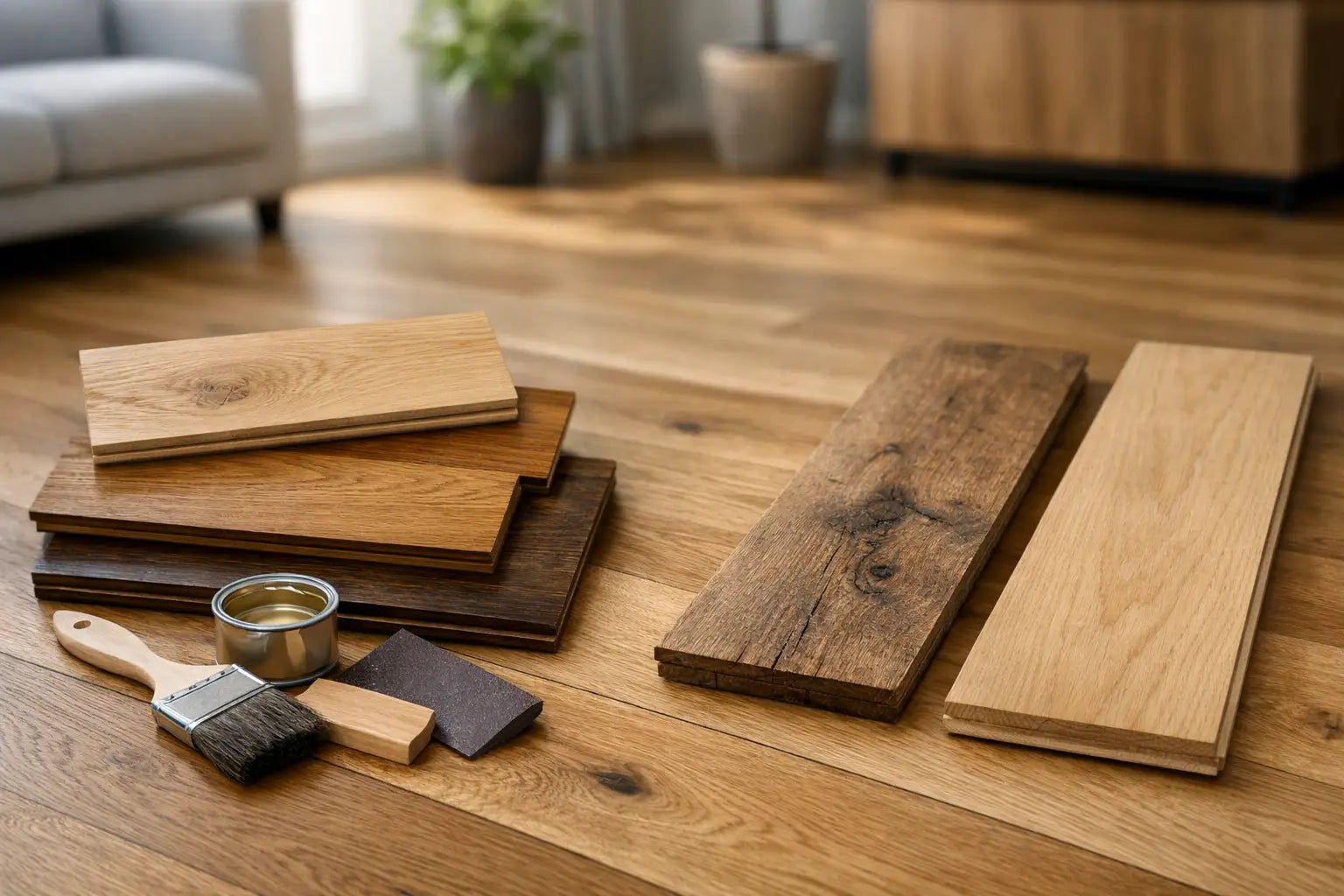
A new floor can transform more than the appearance of a room. It influences how spaces flow together, how natural light is reflected and whether a renovation feels cohesive and professionally finished. Oak flooring remains a popular choice for UK homes because it combines natural character, versatility and durability, making it suitable for busy living rooms, hallways, kitchens, bedrooms and rental properties.
Choosing the right oak flooring specification is essential for long-term performance. Factors such as board construction, timber grade, finish, dimensions and installation method can all affect how the floor looks and performs over time. Engineered oak flooring, for example, can offer greater dimensional stability in certain applications, while solid oak provides the distinctive feel and character of natural timber.
Before installation, consider the condition and level of the subfloor, moisture levels, expansion requirements and compatibility with underfloor heating. It is also important to check finished floor levels and door clearances, particularly when replacing an existing floor.
By selecting the right oak floor and preparing the installation properly, you can create a durable, natural-looking finish while avoiding common renovation problems such as uneven subfloors, insufficient door clearance and unsuitable flooring specifications.
Why choose oak flooring?
Oak has a recognisable grain, warm natural tones and enough visual variation to avoid a flat, artificial appearance. It works equally well with traditional panelled doors, contemporary black ironmongery, painted skirting and minimalist interiors. Depending on the finish, oak can look pale and Scandinavian, richly traditional or deliberately weathered.
It is also a practical timber. Oak is hard enough for everyday domestic use, can be refinished in many cases and tends to age attractively rather than simply looking worn. Small marks become part of the character, particularly on brushed, distressed or matt-finished boards.
That said, no timber floor is maintenance-free. Sharp grit, standing water and heavy furniture can all cause damage. In a home with large dogs, young children or a frequently used entrance, a textured finish and a more characterful grade will usually be more forgiving than a smooth, uniform board.
Solid or engineered oak flooring?
The first decision is usually between solid oak and engineered oak. Both have a real oak surface, but their construction and installation requirements differ considerably.
Solid oak boards
Solid boards are made from one piece of oak throughout. They offer a traditional feel underfoot and can often be sanded and refinished several times over a long service life. They are best suited to stable, dry rooms where moisture and temperature changes are limited.
Because timber naturally expands and contracts, solid oak is not generally the right choice over underfloor heating or in areas with fluctuating humidity. It is also less suitable for kitchens, utility rooms and conservatories unless the room conditions are carefully controlled. A professional fitting approach is particularly important, with suitable expansion gaps left around the perimeter.
Engineered oak boards
Engineered oak flooring has a real oak wear layer bonded to a multi-layer timber core. This construction makes it more dimensionally stable than solid wood, so it is often the better option for modern homes, larger open-plan spaces and rooms with compatible underfloor heating.
The quality of engineered boards varies. Look beyond the overall thickness and check the wear layer, which determines how much future sanding is possible. A thicker oak wear layer is normally preferable for high-use areas and long-term projects. Good-quality engineered flooring can provide the appearance and longevity buyers expect from oak, while being easier to specify across a wider range of rooms.
Select the right oak grade
Oak grade refers to the natural appearance of the timber, not its structural quality. Each grade has a place, and the best choice depends on whether you want a clean, consistent floor or a more expressive, lived-in look.
Prime or select grade oak has fewer knots and less colour variation. It suits contemporary interiors where a refined, calmer finish is the priority. It can look particularly effective alongside flush internal doors, concealed hinges and simple satin or matt hardware.
Natural grade offers a balanced mix of grain, knots and tonal movement. It is a versatile option for homeowners who want genuine timber character without a heavily rustic result. For many renovation projects, this is the most adaptable choice.
Rustic or character grade contains more knots, filled features, sapwood and colour variation. It suits period properties, barn conversions and interiors designed around texture. It also hides the minor knocks and marks of family life more easily than a uniform grade. If you are matching existing exposed beams, oak doors or traditional joinery, character grade often looks more convincing than a very clean board.
Board width, length and laying pattern
Board dimensions have a major effect on the finished room. Wider planks show more grain and can make a large lounge or open-plan kitchen feel generous and calm. Longer boards reduce the number of end joints, creating a more continuous look. They are often worth considering where the floor will run through several connected spaces.
Narrower boards bring a more traditional rhythm and can work well in smaller rooms or older properties. They may also be more practical where subfloor levels are variable, although preparation remains essential regardless of board size.
Most oak floors are laid in a straight plank pattern, usually following the longest wall or the main direction of natural light. Herringbone and chevron introduce a more decorative result and suit entrance halls, dining rooms and higher-specification renovations. These patterns require more planning, more cutting and typically more labour, so allow for additional waste and fitting time.
Before ordering, check how the finished floor height will meet door linings, thresholds, skirting and adjoining floor coverings. A thicker board, underlay and levelling compound can quickly reduce the clearance beneath internal doors. It is far easier to plan trimming, new thresholds or door adjustments before installation than after the flooring is down.
Choose a finish that suits daily life
The finish determines both the appearance of the oak and the level of care it needs. A lacquered finish provides a protective surface film and is generally straightforward to clean. It is a sensible option for busy homes, landlords and rooms where low-maintenance performance is a priority.
Oiled oak has a more natural, tactile appearance and can be easier to repair locally when scratched. However, it needs regular care with the correct maintenance products to retain its protection. It is a good choice for customers who value a softer matt look and are happy to maintain the floor properly.
Brushed boards have their softer grain removed to create texture, while hand-scraped or distressed boards offer a deliberately aged appearance. These finishes work well where character is more important than uniformity. Very smooth, dark boards can be striking, but they tend to show dust, footprints and scratches more readily than pale or textured finishes.
Subfloor preparation and fitting requirements
Even premium oak flooring will not perform properly over a poor subfloor. The surface must be dry, level, sound and clean before fitting begins. Moisture testing is essential, particularly with concrete or newly screeded floors. A floor that feels dry is not necessarily dry enough for timber installation.
Engineered boards may be floated, glued down or fixed mechanically, depending on the product and subfloor. Glue-down fitting often gives a solid feel underfoot and is commonly used over underfloor heating, but the adhesive must be suitable for the board construction and heating system. Solid oak is usually secret-nailed, glued or both, depending on the installation method.
Allow the unopened packs to acclimatise in the room as directed by the manufacturer. Keep the heating at a stable, sensible setting and avoid installing timber flooring in an unheated, damp or unfinished property. Expansion gaps, moisture barriers and suitable underlay are not optional extras - they are part of a correctly specified floor.
Oak flooring and underfloor heating
Engineered oak flooring is normally the preferred choice where underfloor heating is present. Check the product specification before purchase, including the maximum permitted surface temperature and the approved installation method. Most systems require the floor surface to remain below 27°C.
The heating should be brought up and down gradually, rather than switched from cold to high heat. Sudden temperature changes can stress natural timber and may lead to gaps, movement or surface checking. Rugs with heavy thermal backing can also trap heat, so use them carefully and follow the flooring manufacturer's advice.
Care that protects the investment
Regular dry cleaning with a soft brush or vacuum suitable for hard floors will remove grit before it scratches the surface. Wipe spills promptly and use a well-wrung mop rather than soaking the floor. Felt pads under chairs, mats at external doors and protective cups beneath heavy furniture all make a noticeable difference.
Avoid steam mops, harsh detergents and generic polish products unless they are approved for the specific finish. Lacquered and oiled floors need different cleaning and maintenance routines, so retain the fitting and care information once the project is complete.
A well-chosen oak floor should work with the rest of the joinery rather than compete with it. Match samples against your doors, frames, skirting and hardware in the room's natural light, then specify the construction and finish around how the space will actually be used. For a renovation that involves both flooring and door upgrades, Door Supplies Online can help bring those key finishing elements into one considered scheme.
For more information about our interior or exterior doors or door accessories, give us a call at 01603 622261 and speak to a member of our expert team today, or email us at sales@doorsuppliesonline.co.uk. We look forward to hearing from you.