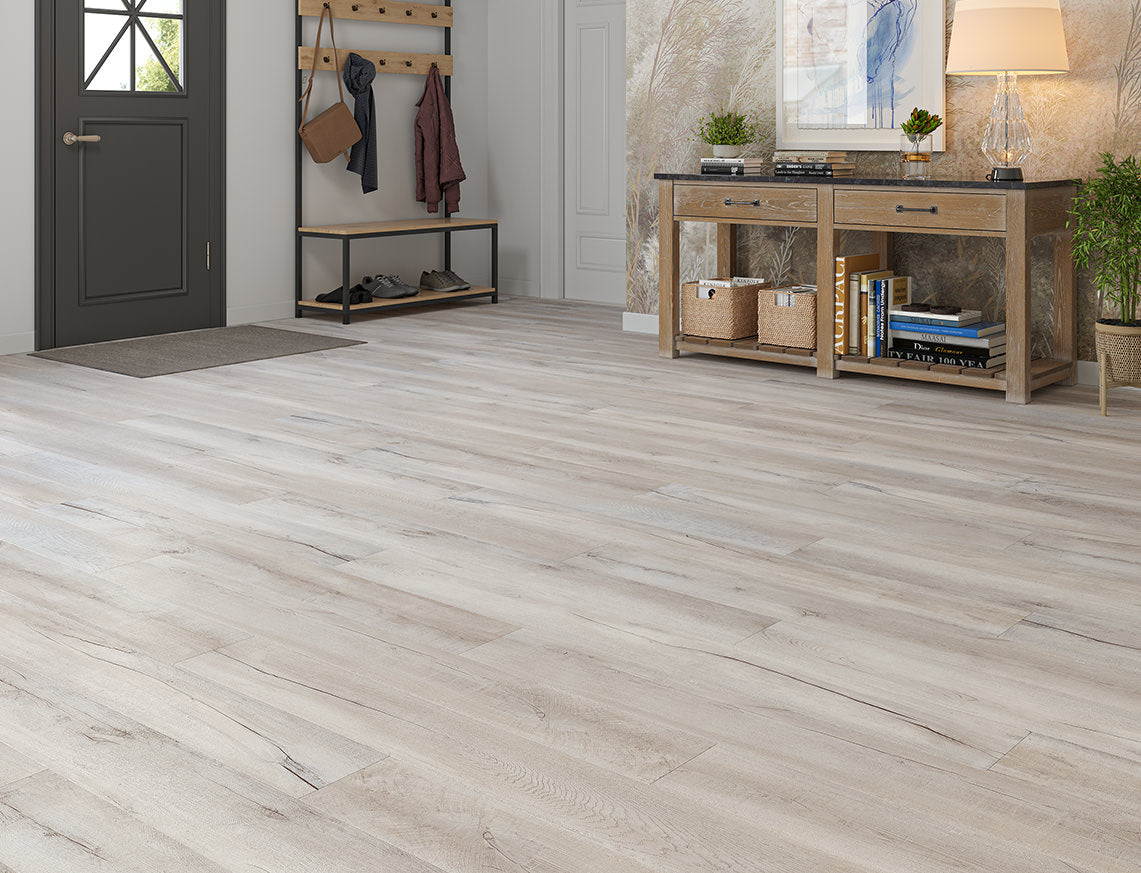
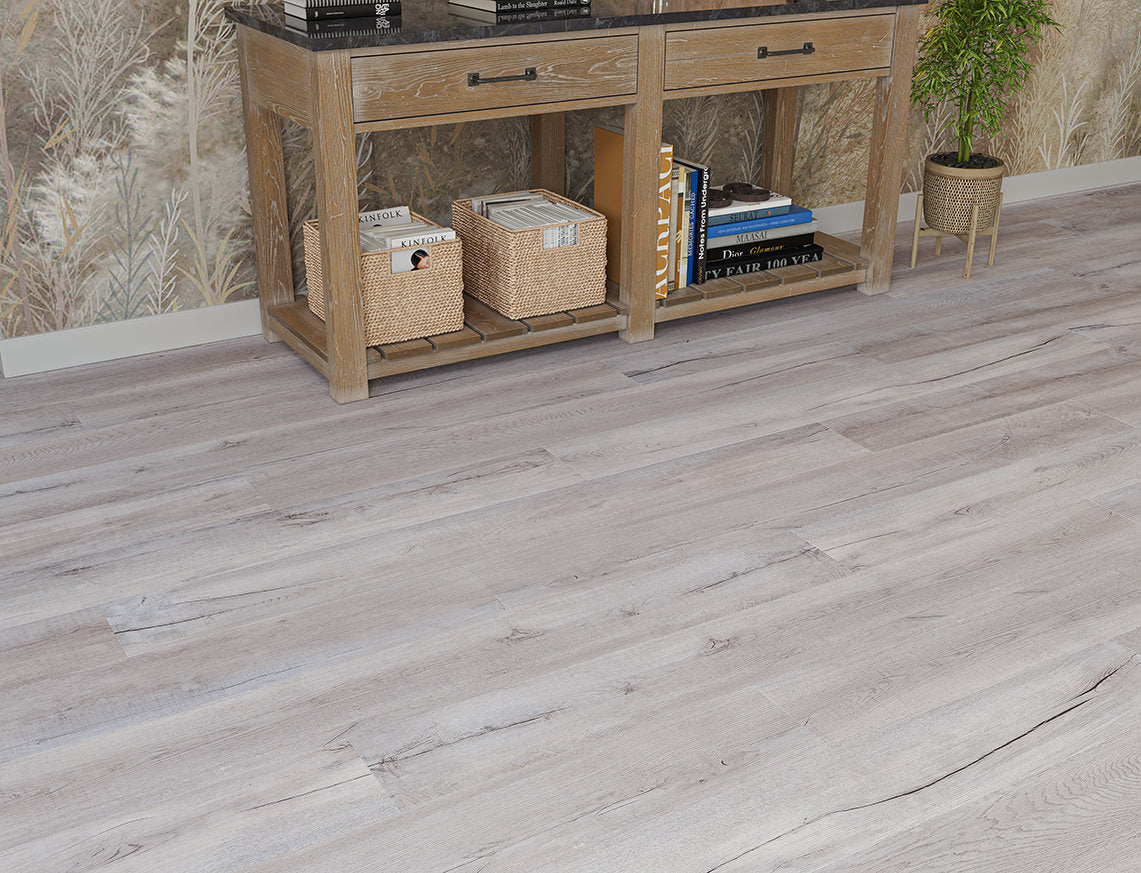
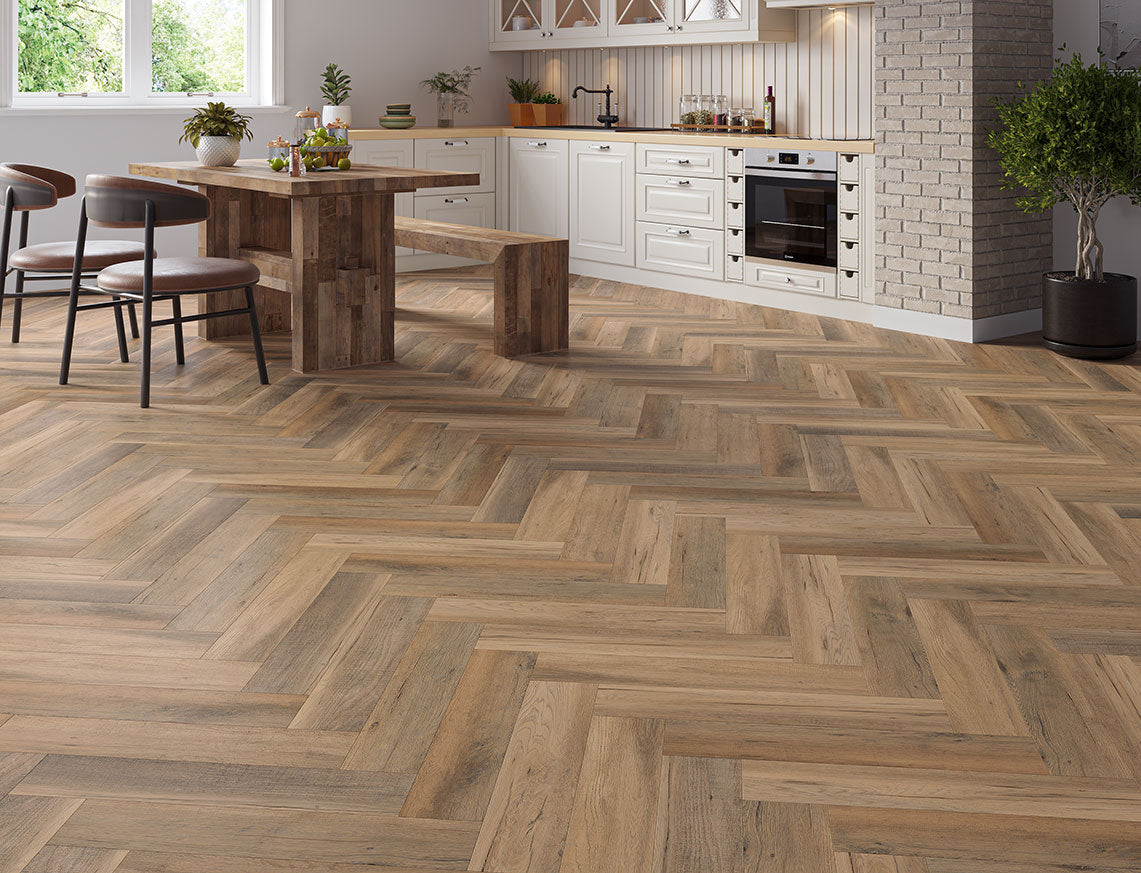
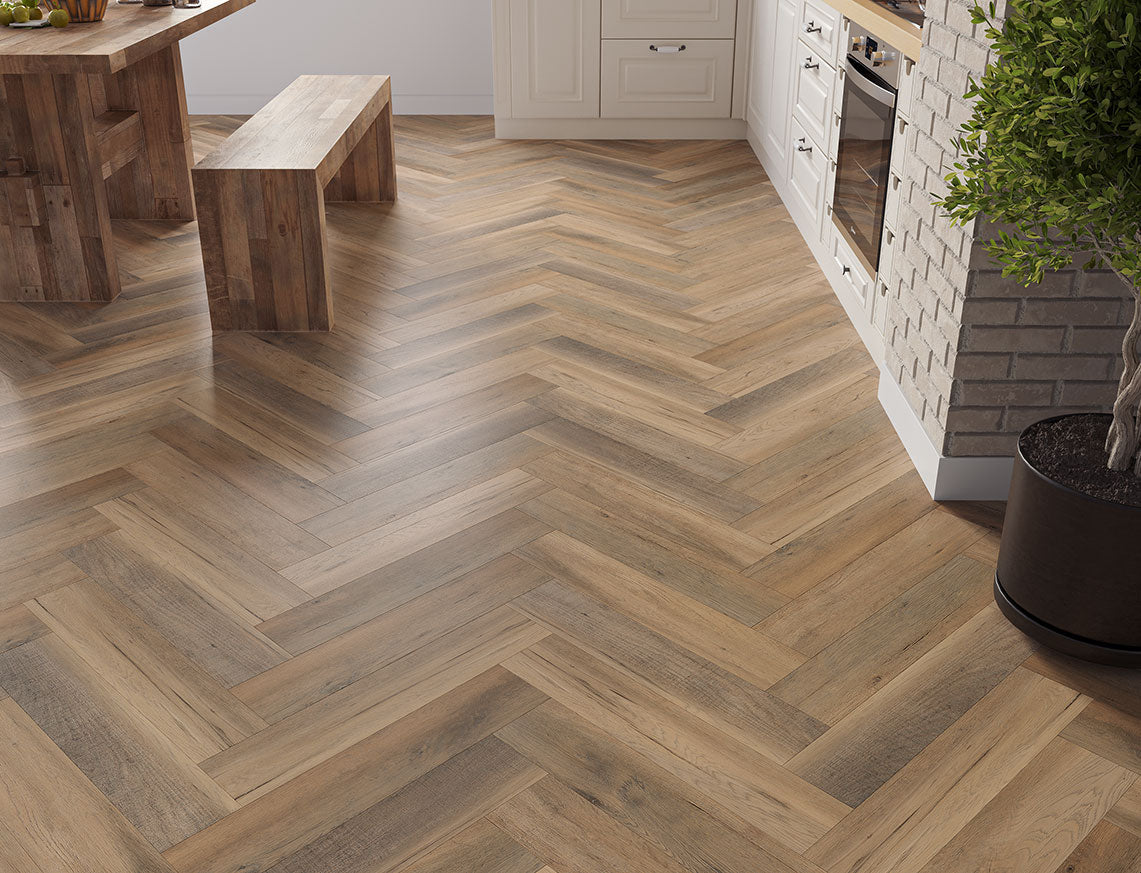
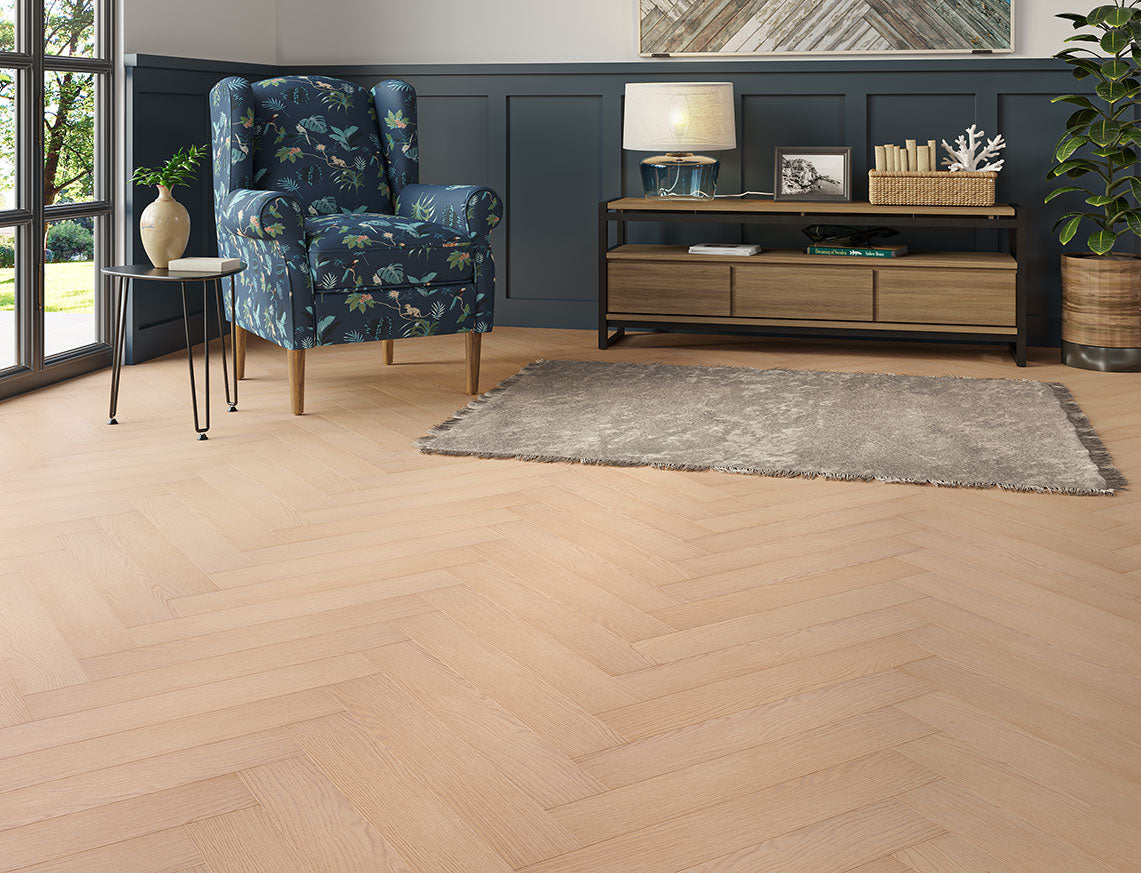
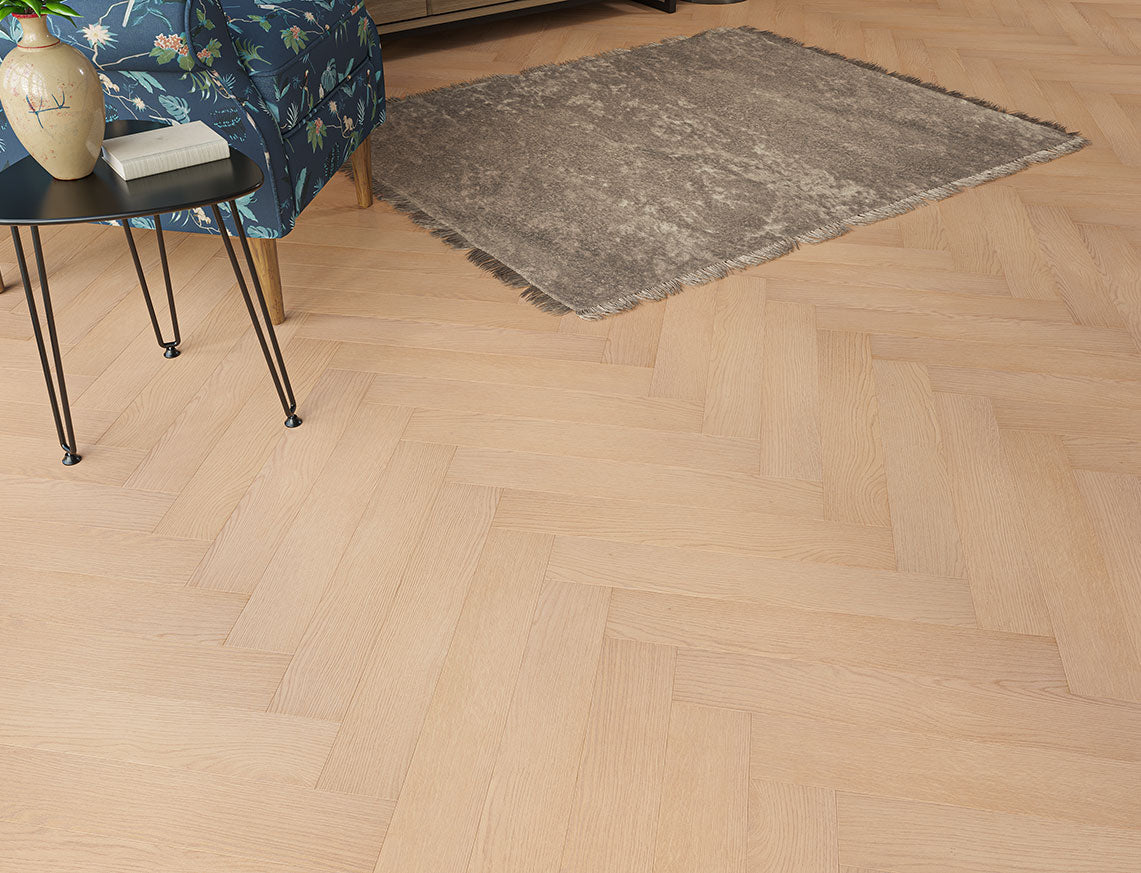
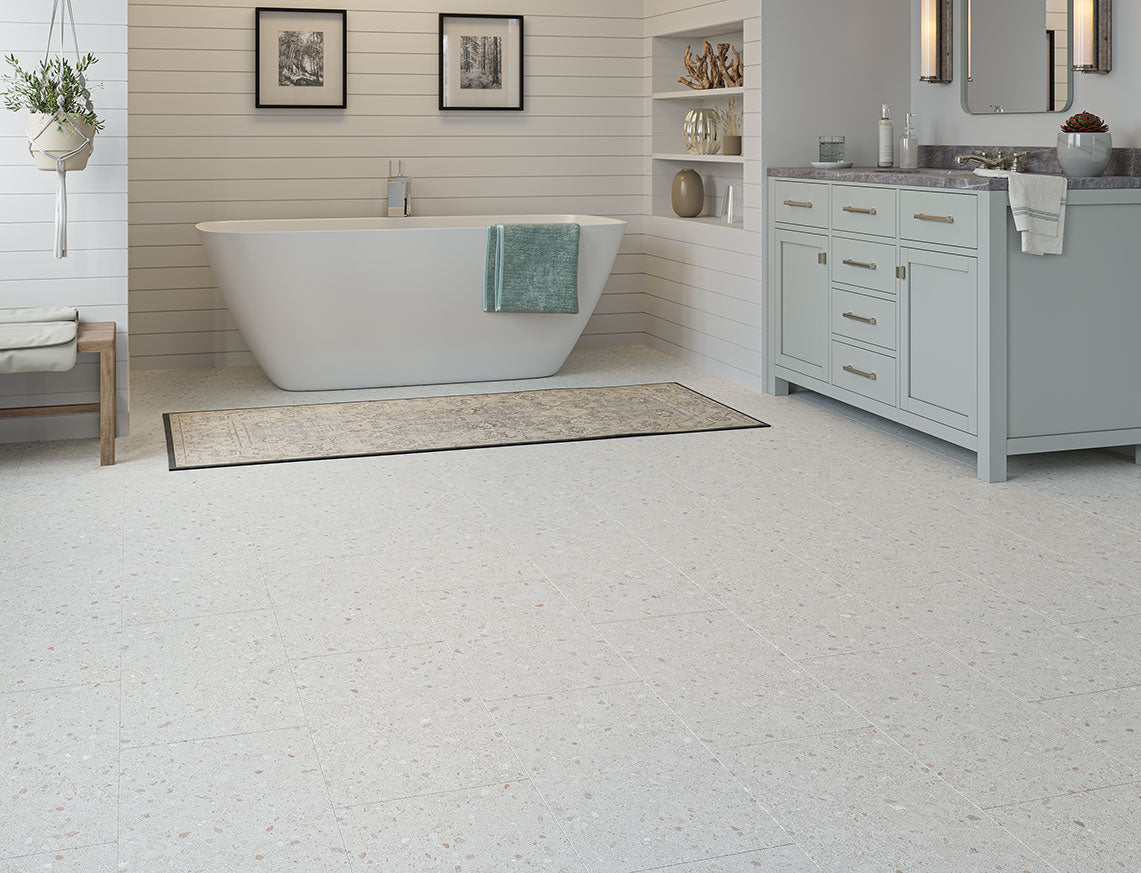
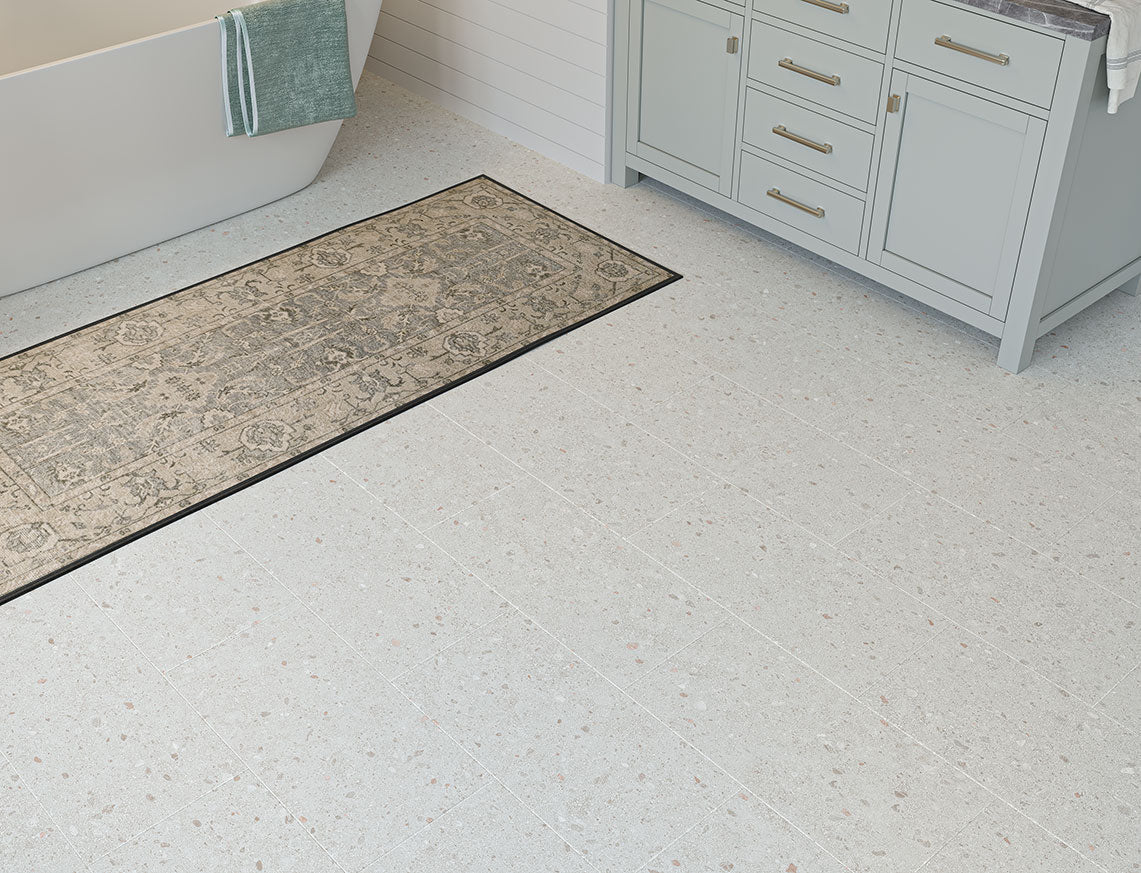
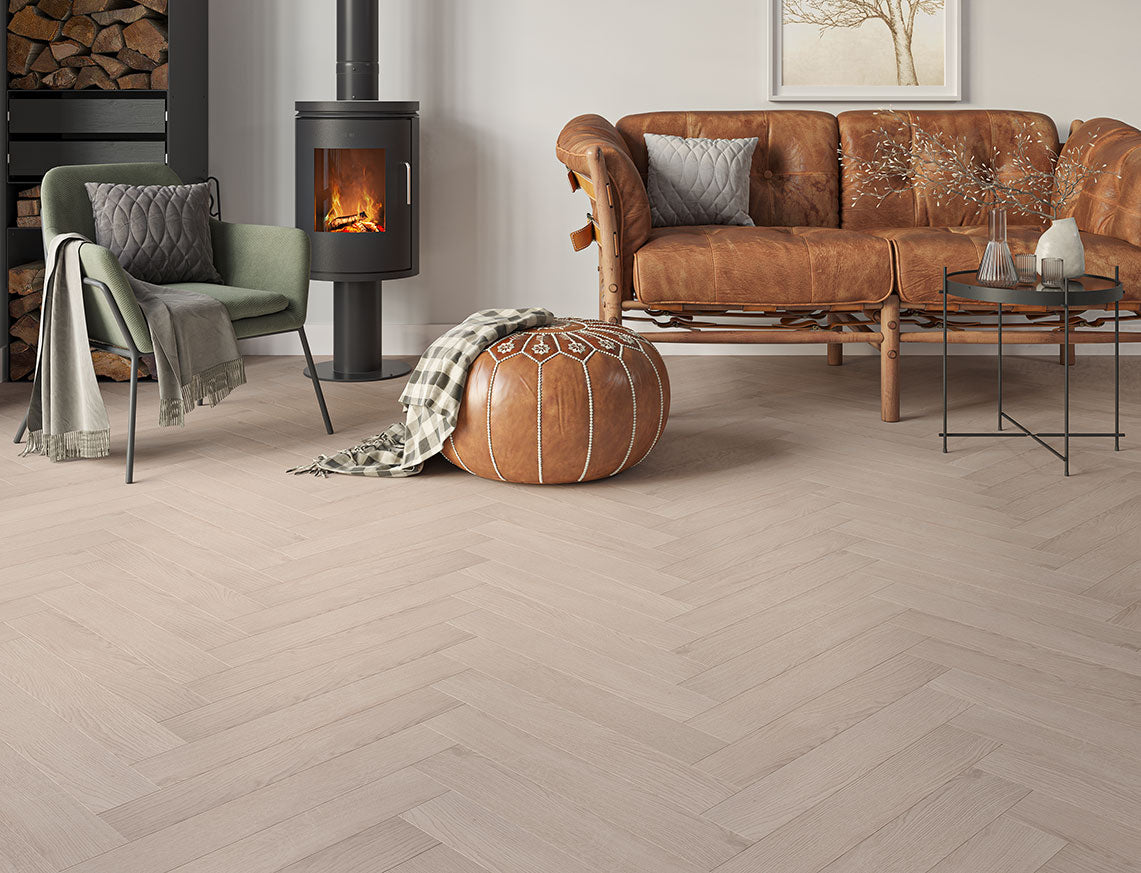
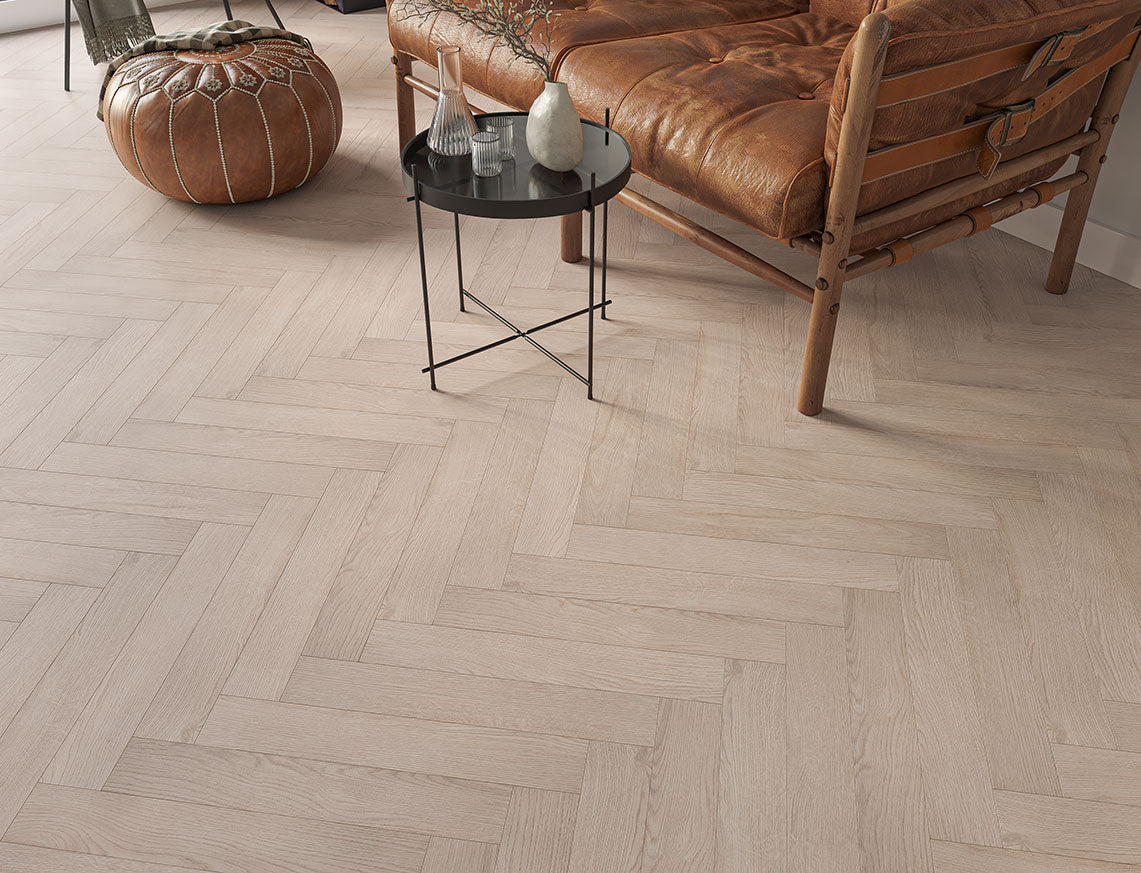
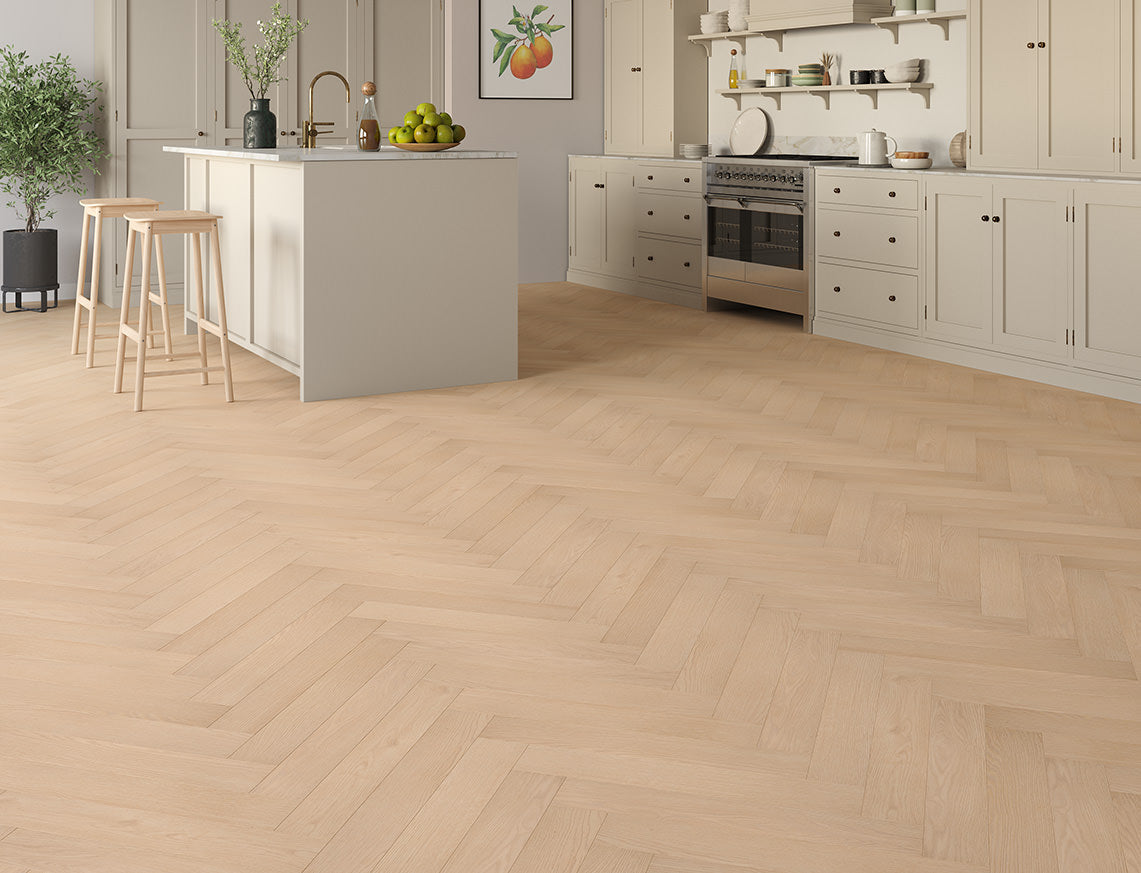
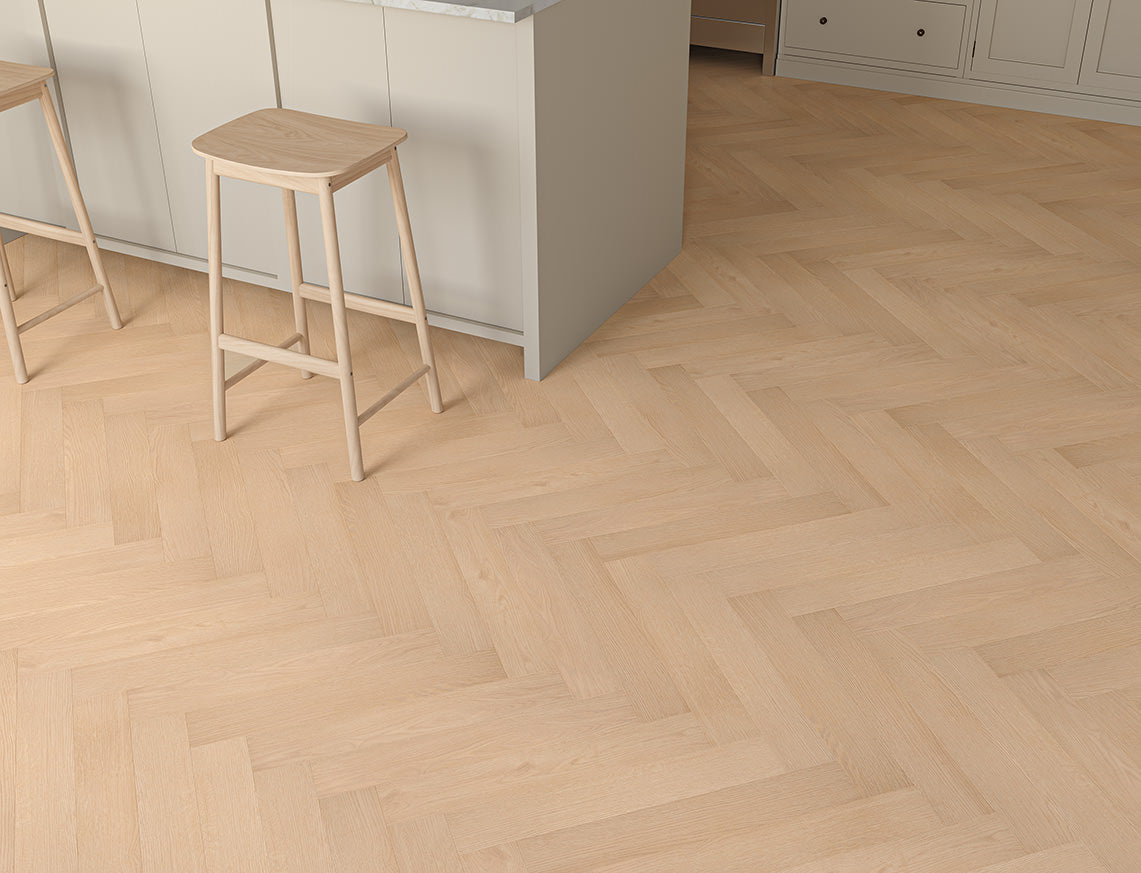
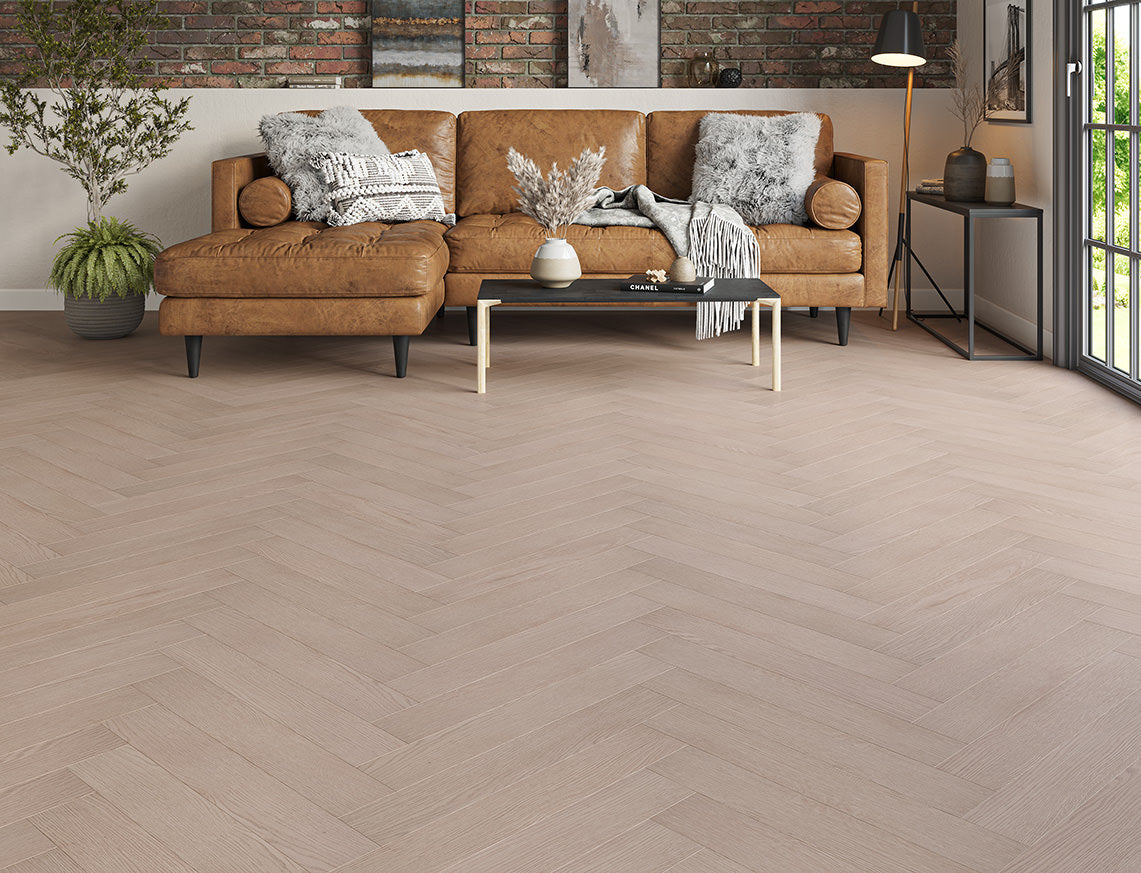
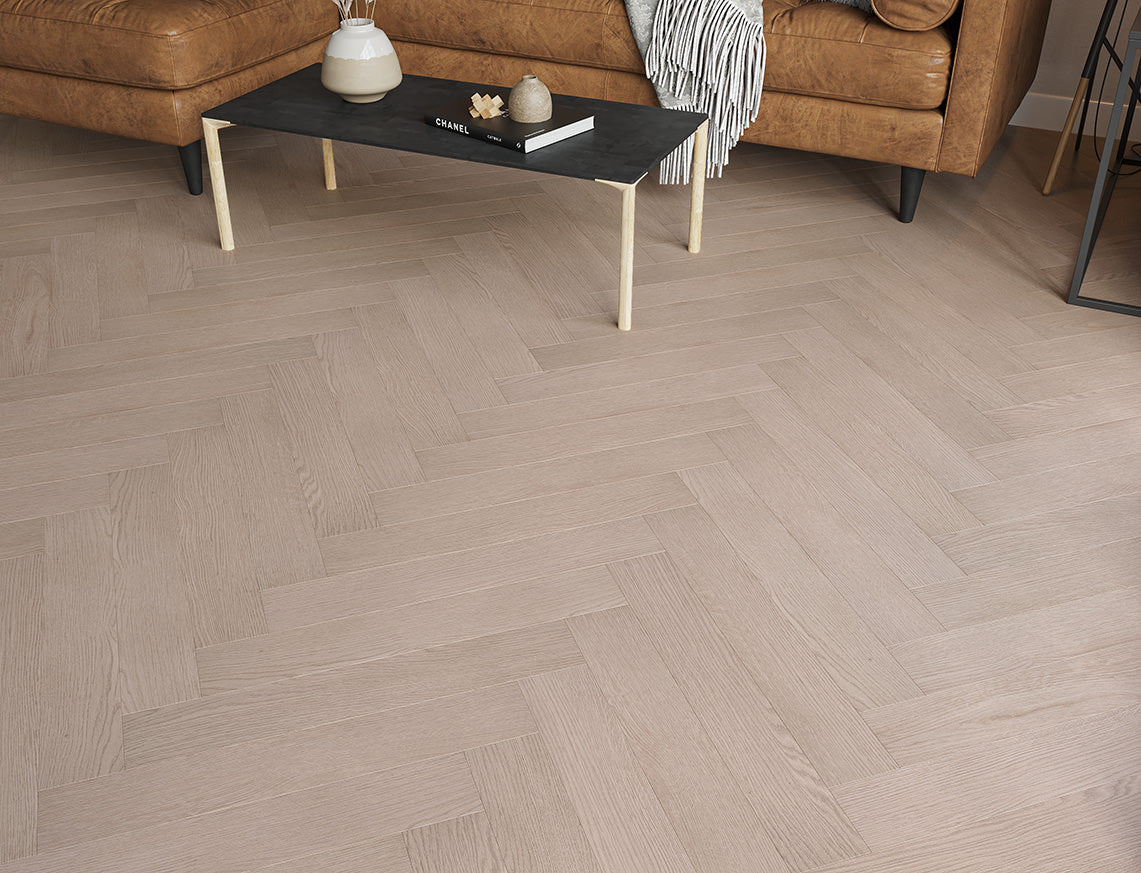
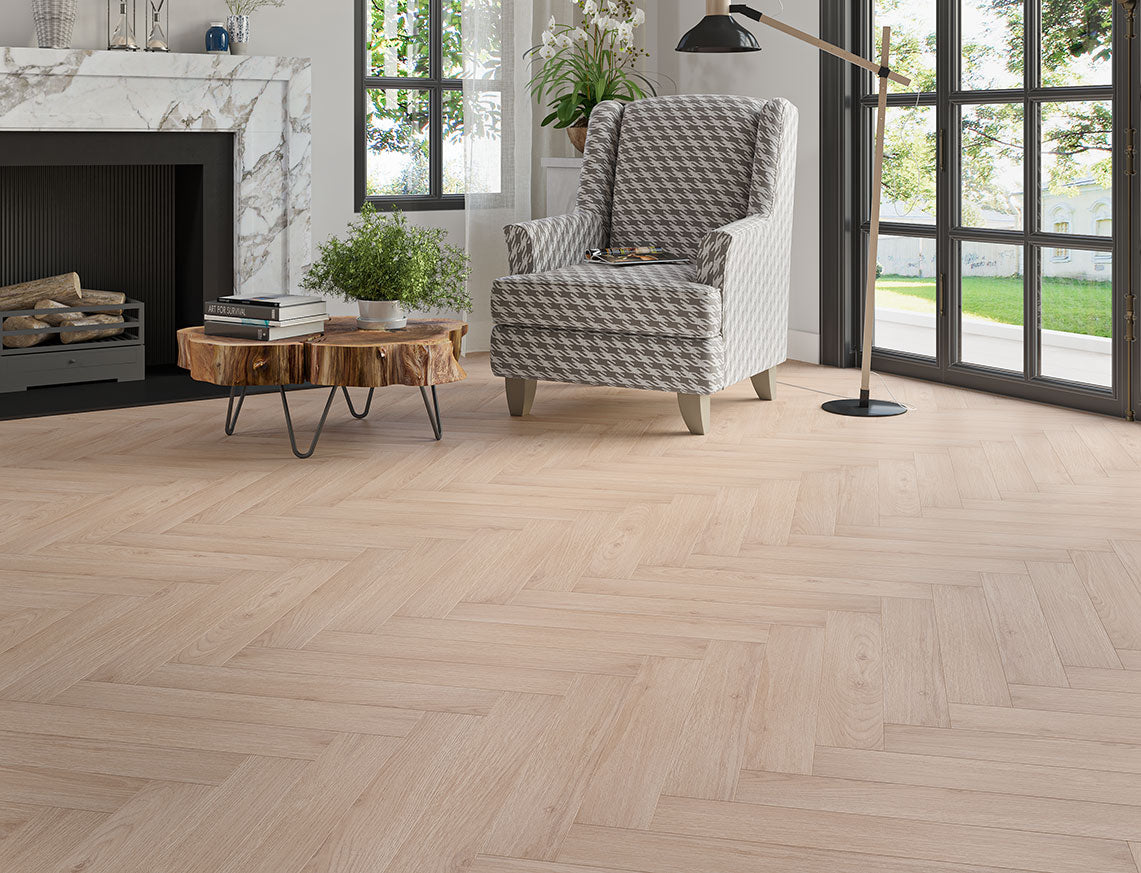
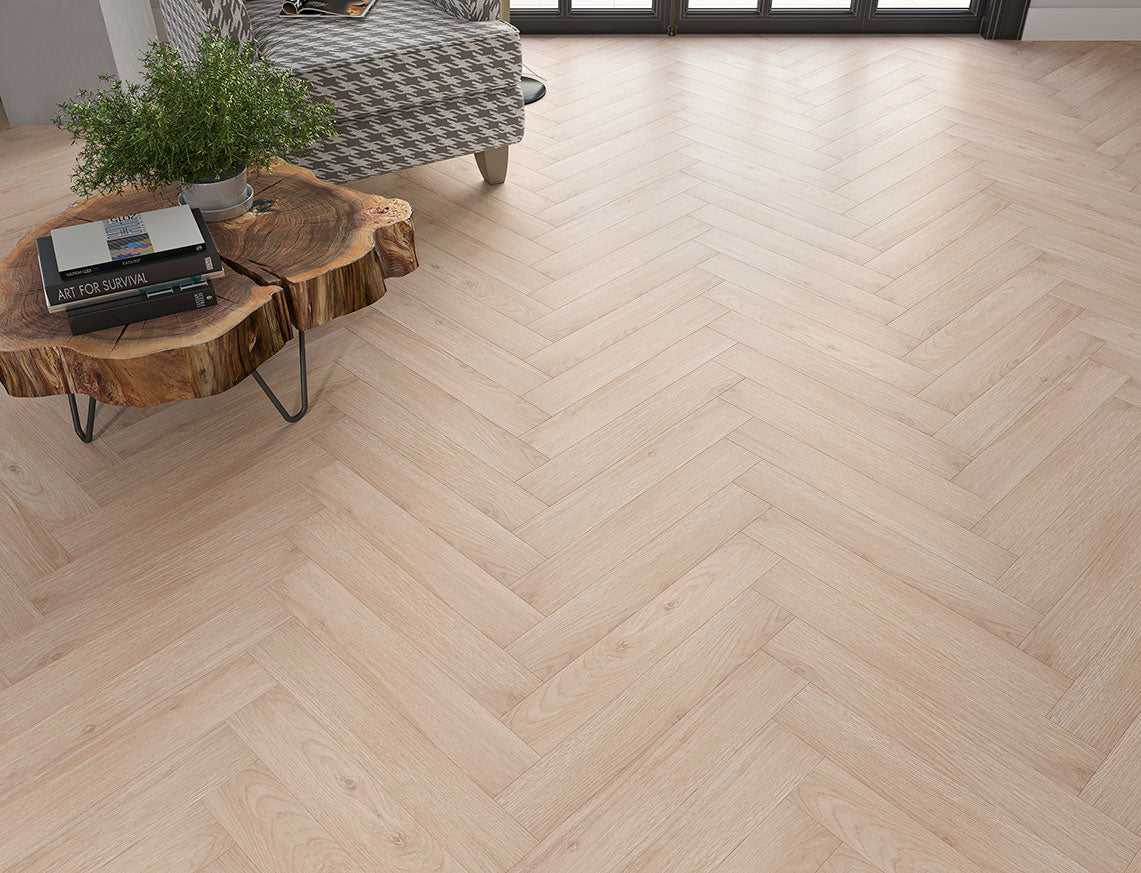
Two rooms with quite different demands, and both harder on a floor than they look. A hallway takes more traffic than anywhere else in the house, all of it arriving from outside. A conservatory swings from cold at dawn to hot by mid-afternoon.
Traffic is a wear problem, solved by choosing a thicker wear layer. Temperature is a movement problem, solved by choosing a stable material. Neither is difficult once you know which you are dealing with.
Free A5 samples on every floor, delivered next-day, so you can see them against your existing doors and skirting before deciding.
Every person who enters your house walks across the hallway floor, and most of them bring grit in on their shoes. Grit is abrasive, and abrasion is what wears a floor finish down. It is not dropped pans or heavy furniture that finishes off a hallway floor, it is the slow sanding effect of everyday footfall.
Choose a thicker wear layer
This is the single most useful decision you can make. In engineered oak, a 4mm or greater oak surface takes more wear and allows more sandings across the life of the floor. In laminate and vinyl, a thicker protective overlay does the same job.
Laminate deserves particular consideration in a hallway. Its printed surface resists scratching better than real timber, which is exactly the property a hall needs.
Colour and pattern
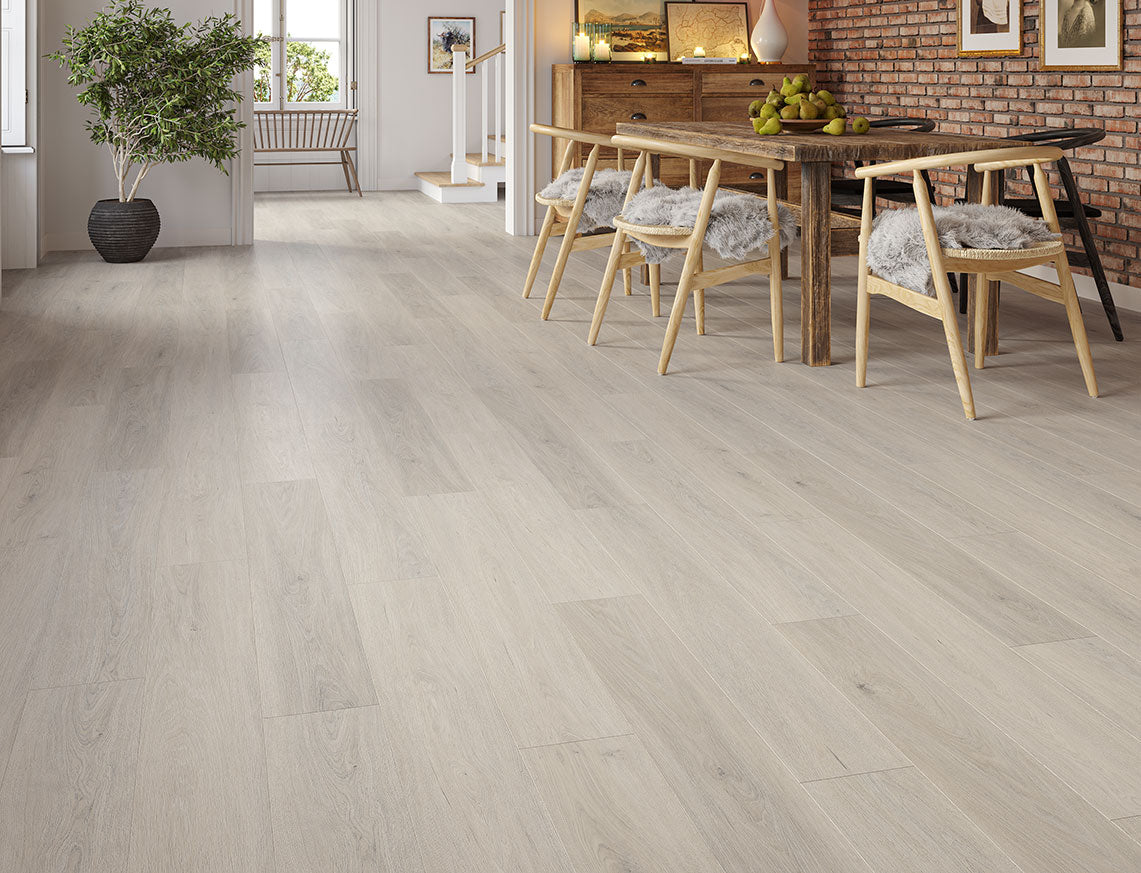
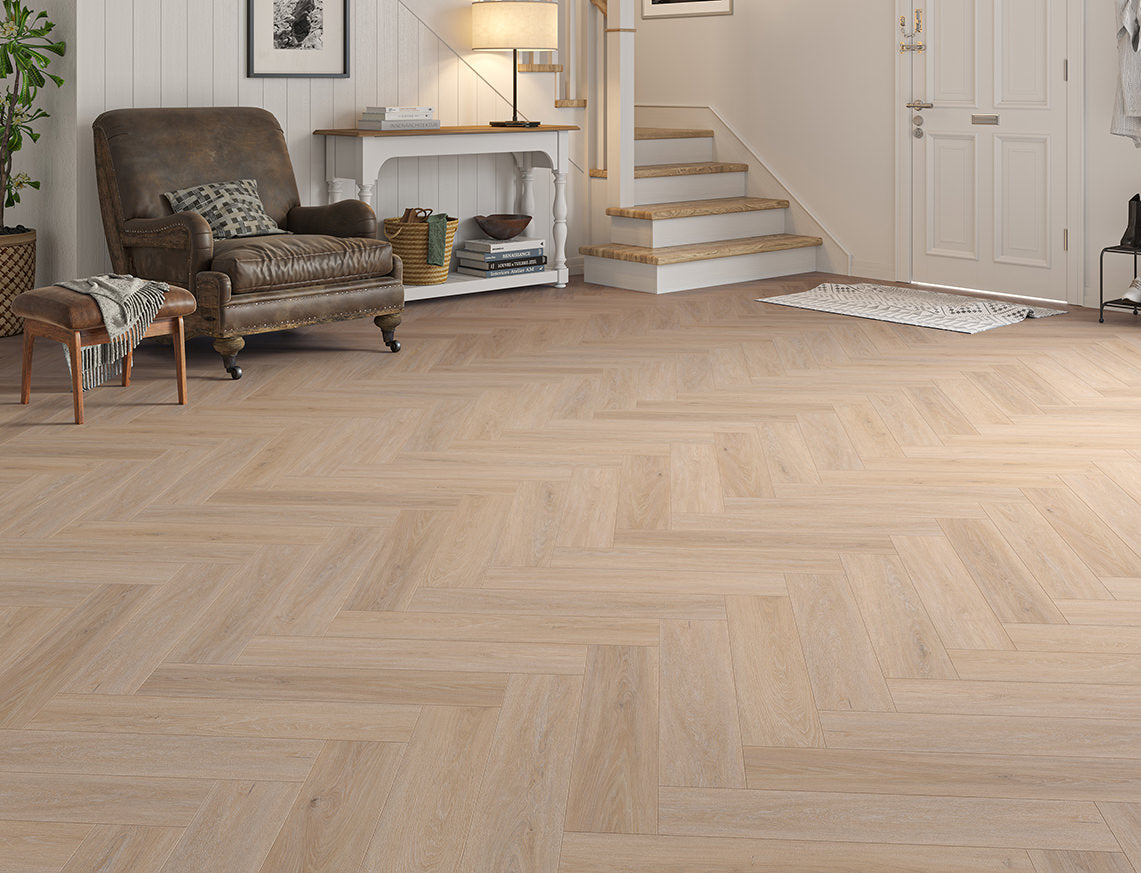
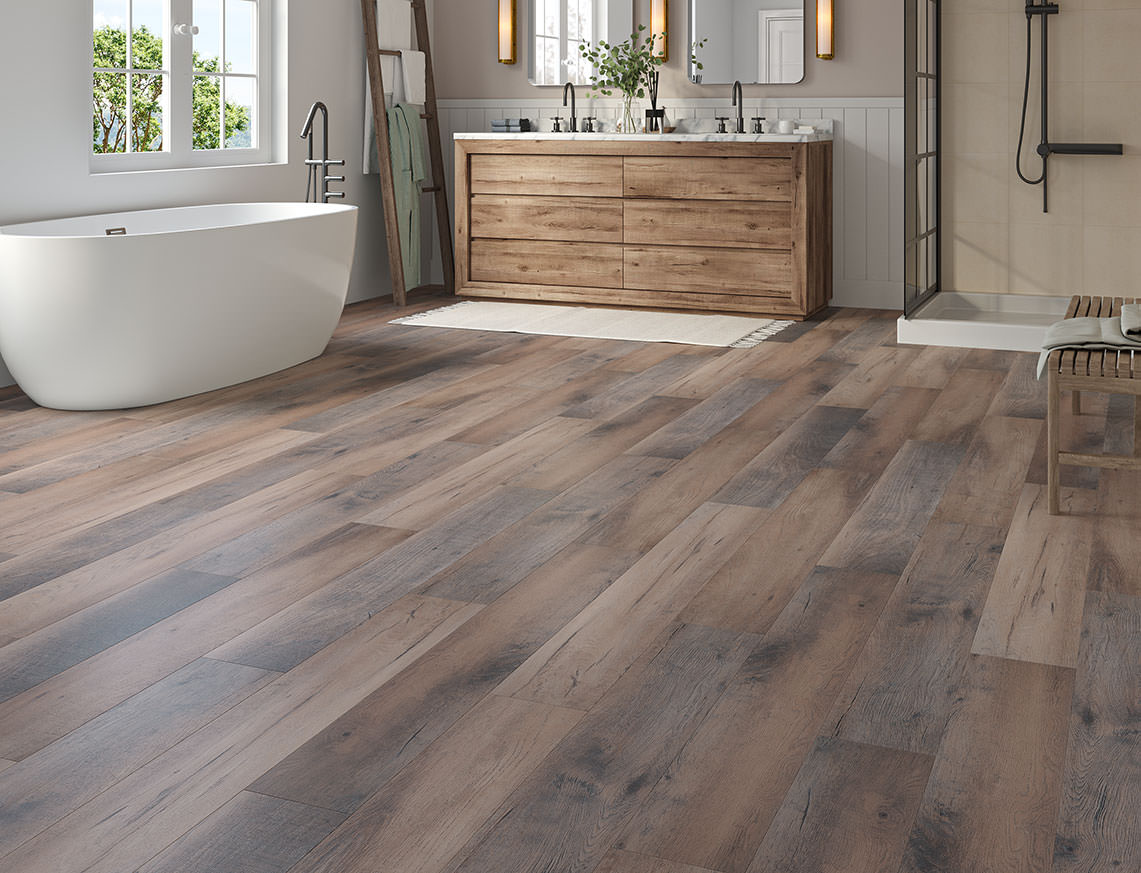
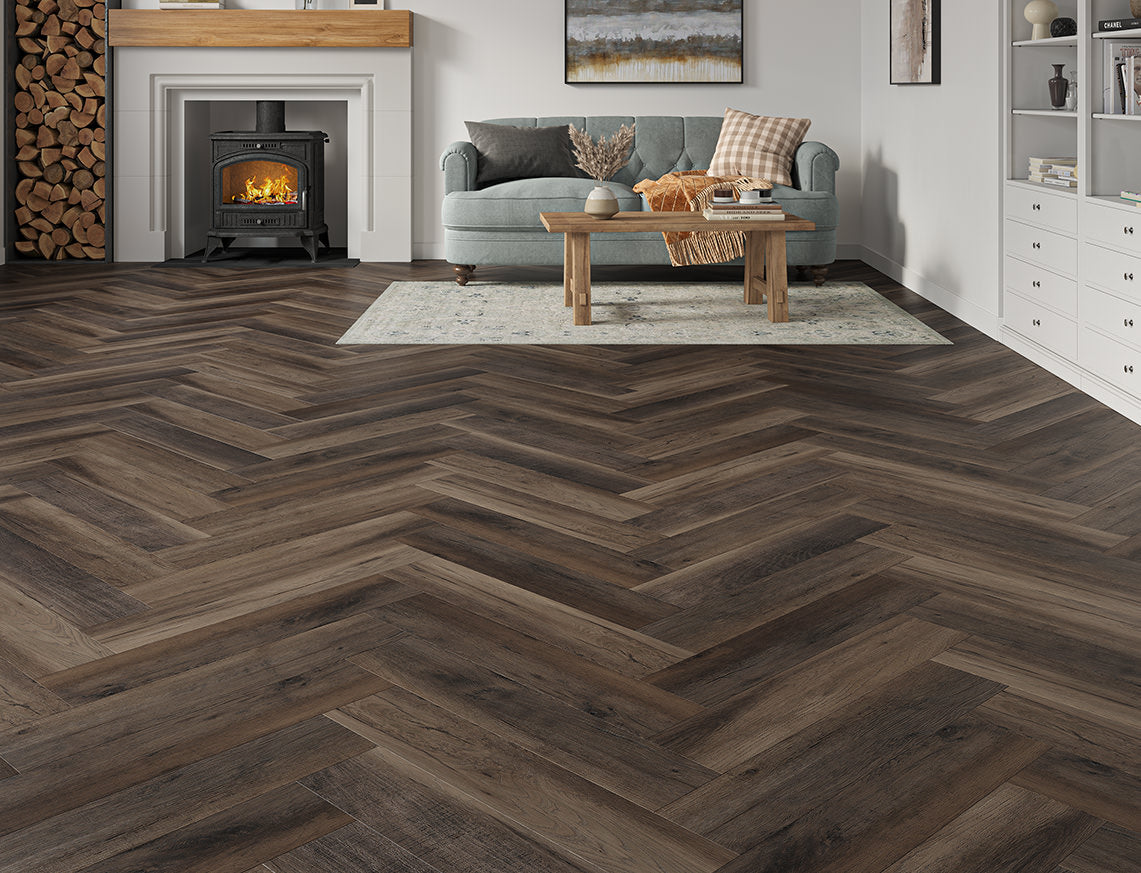
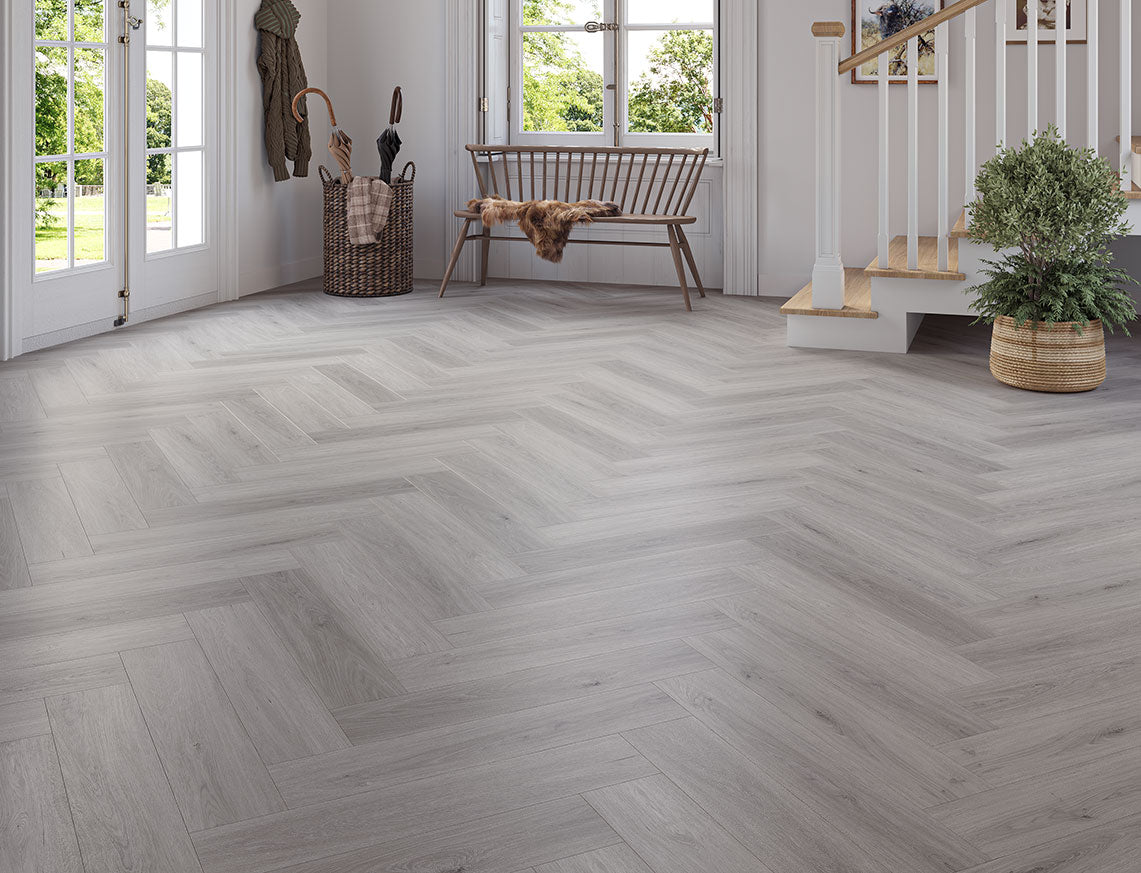
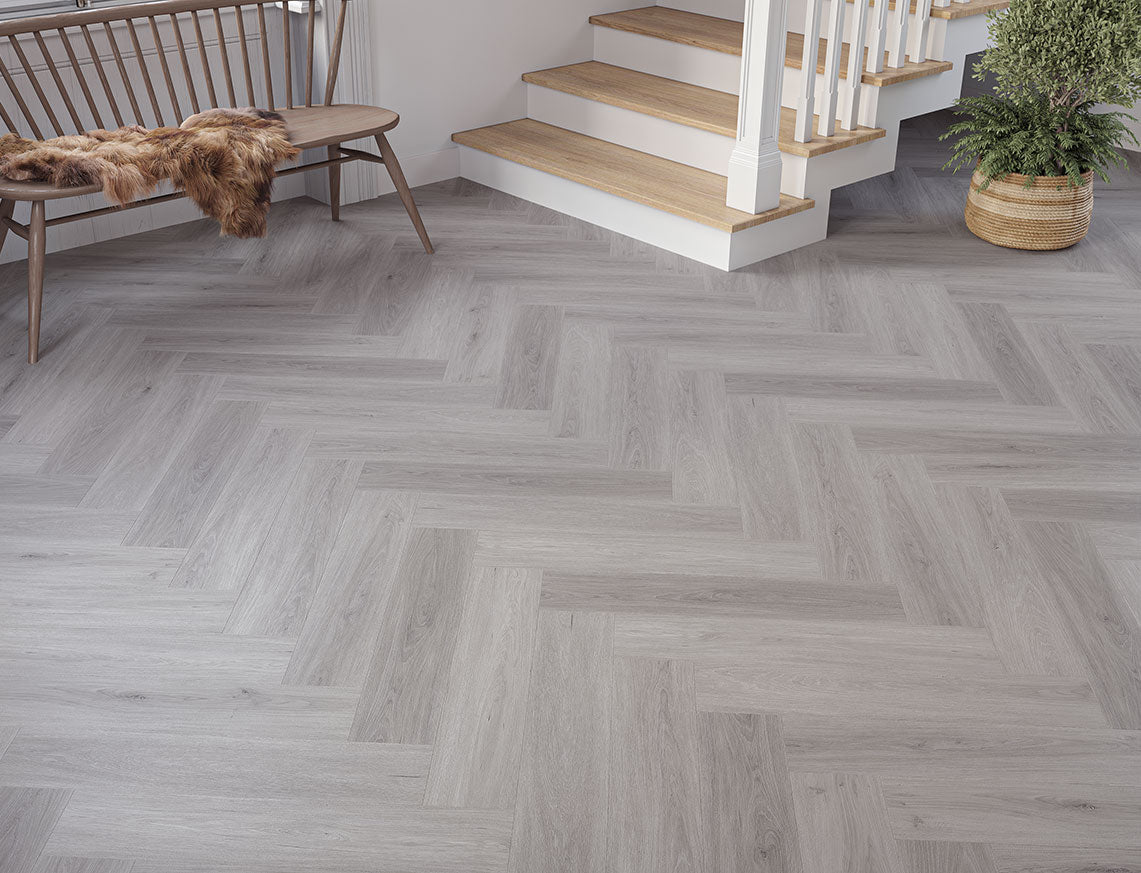
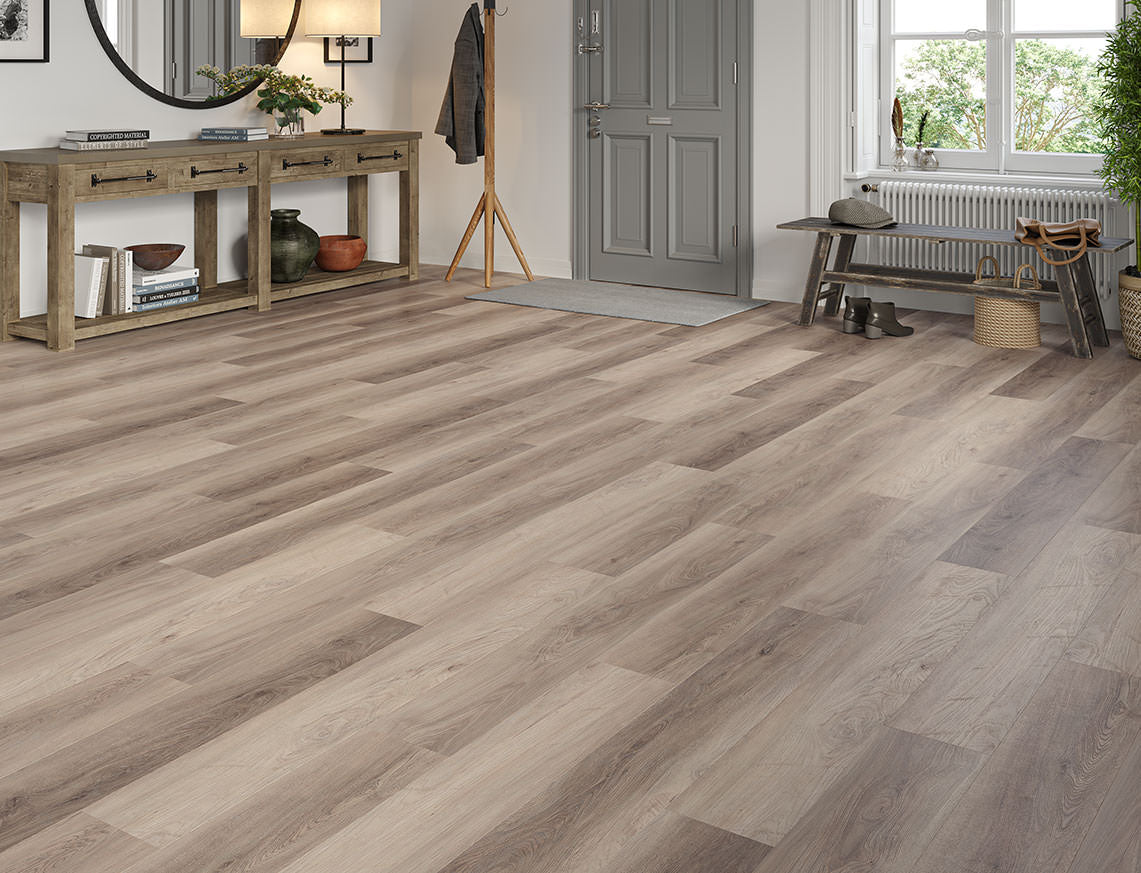
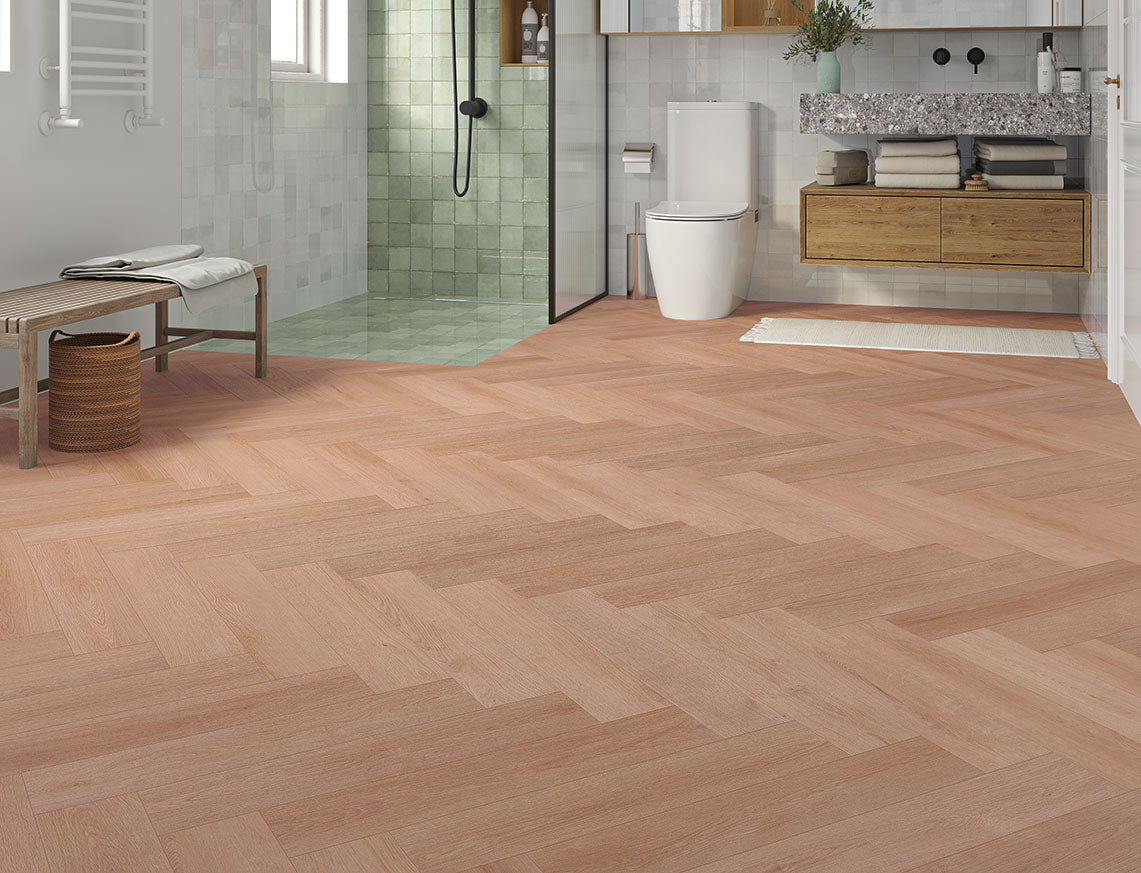
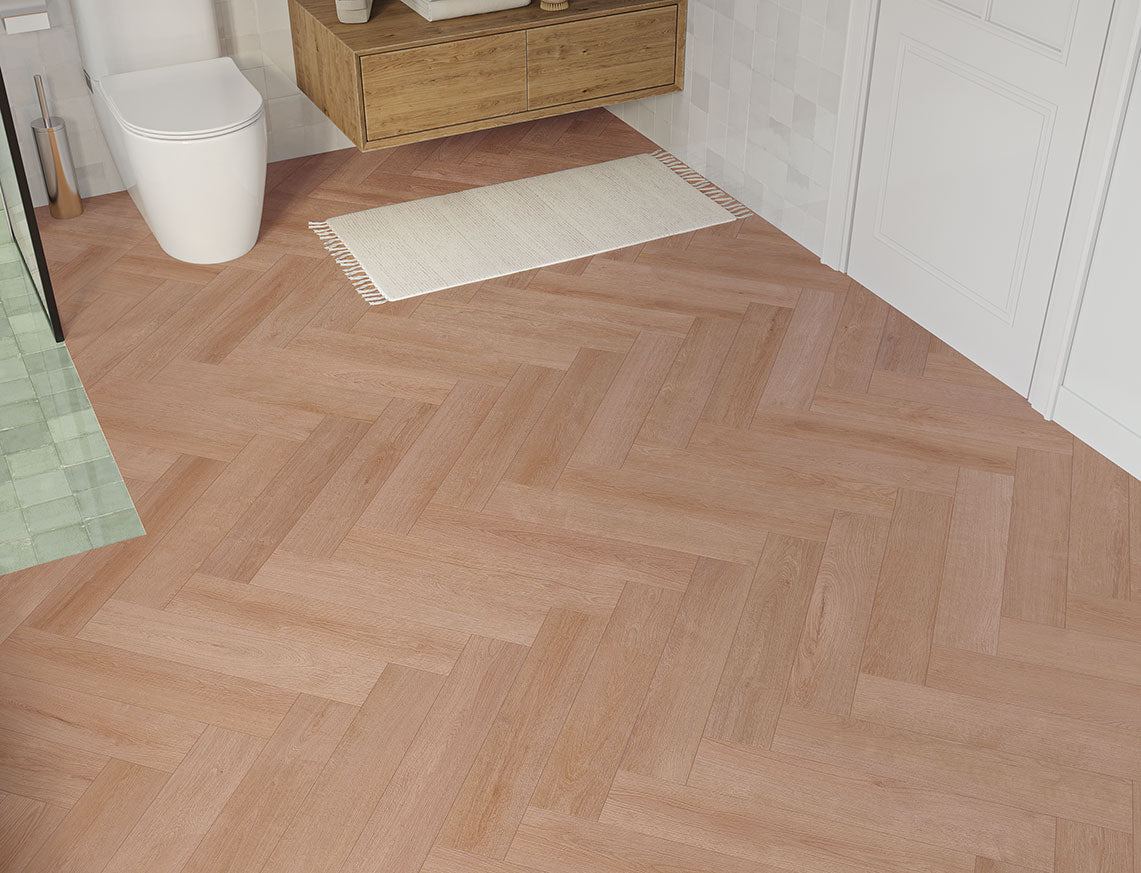
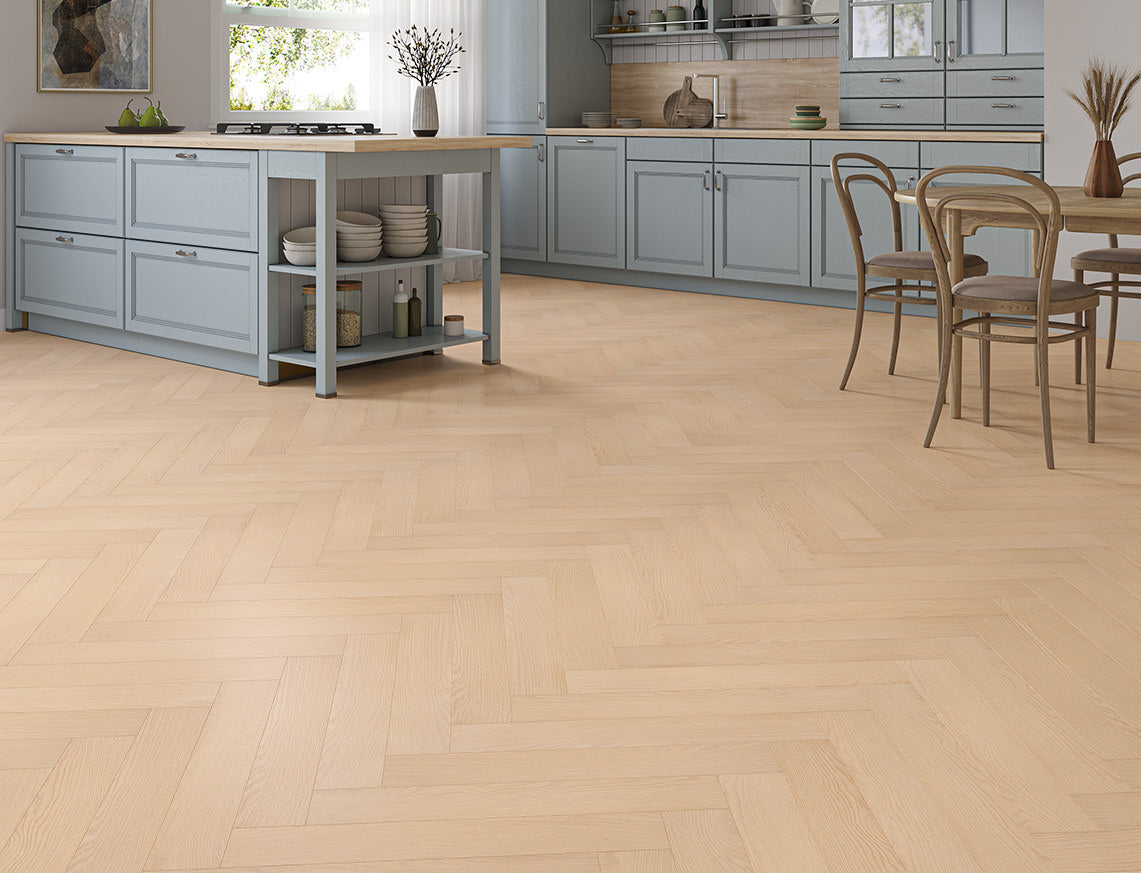
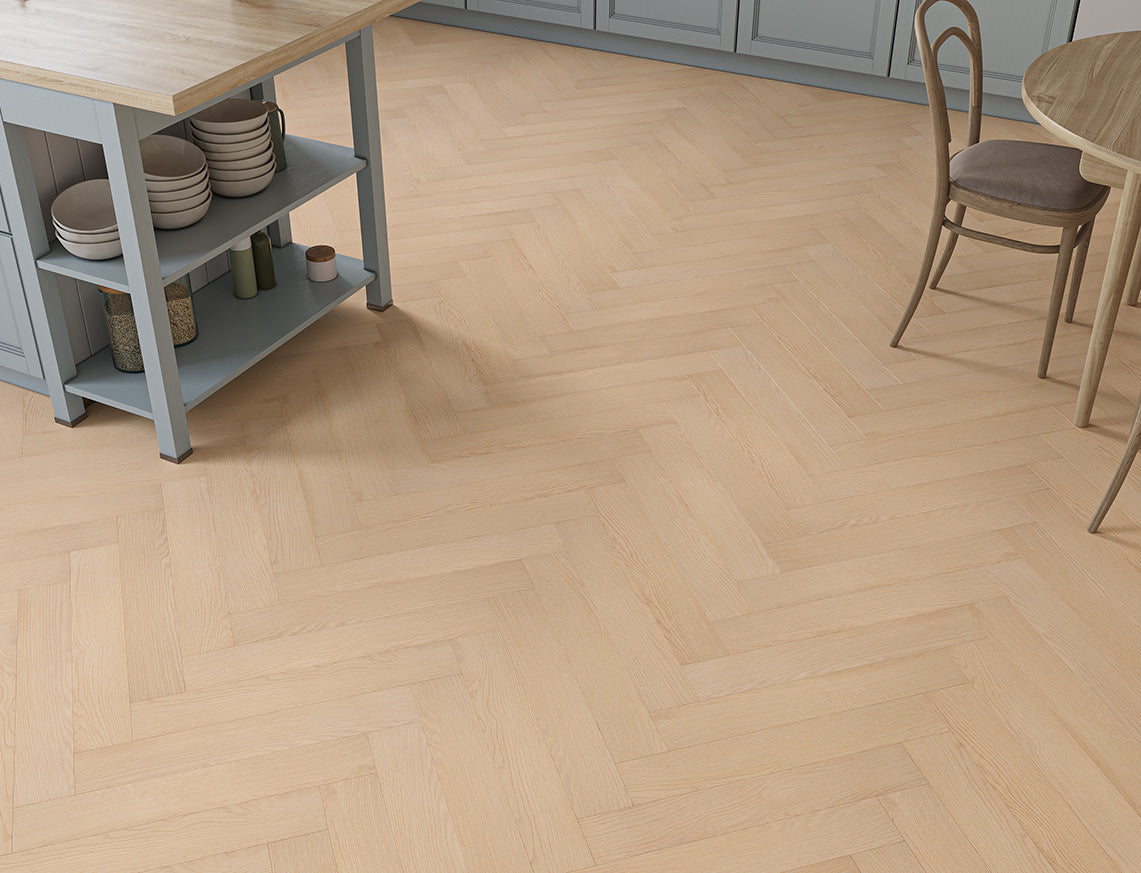
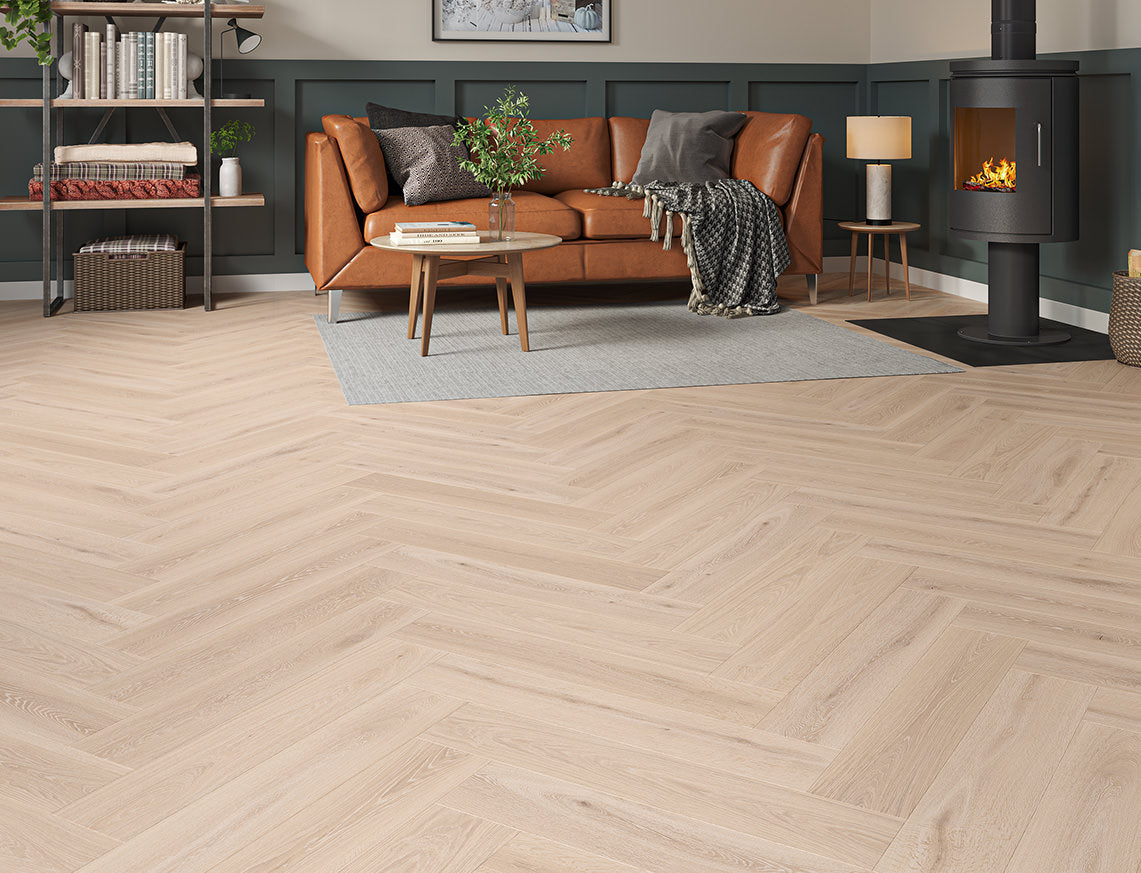
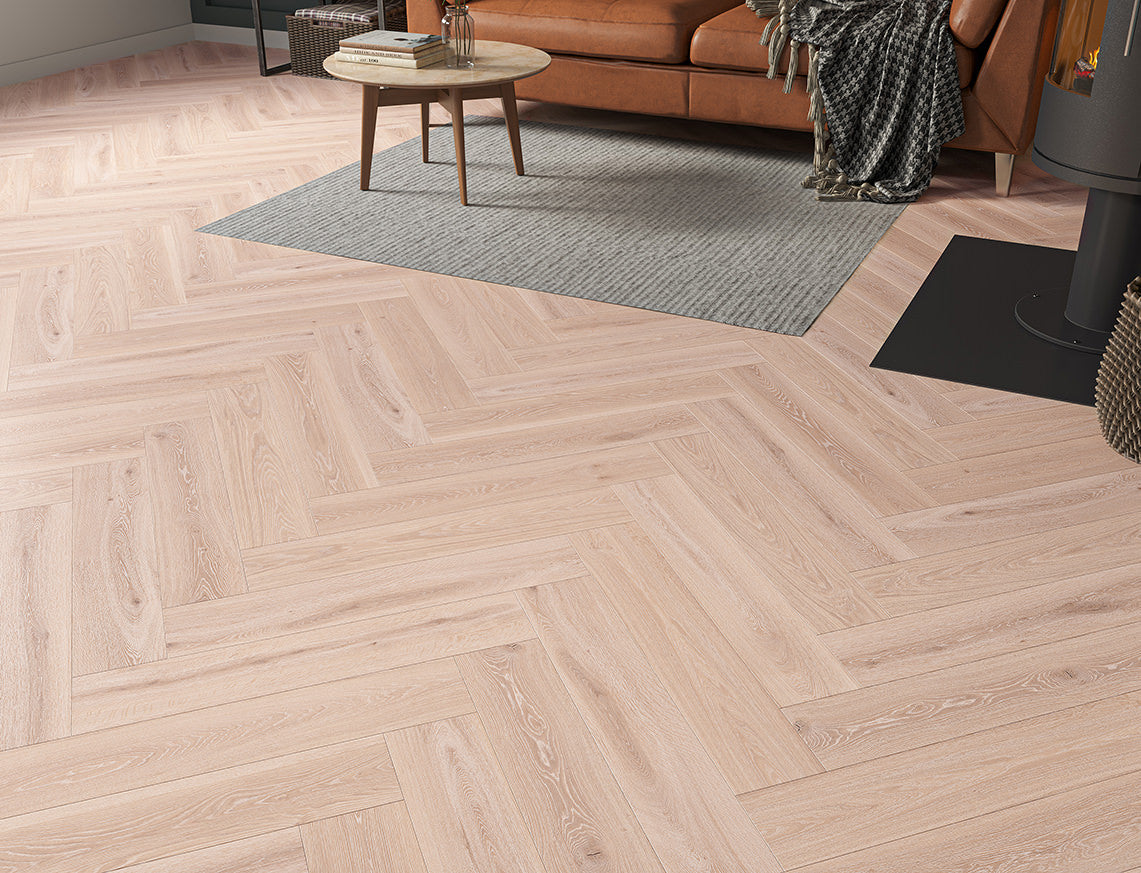
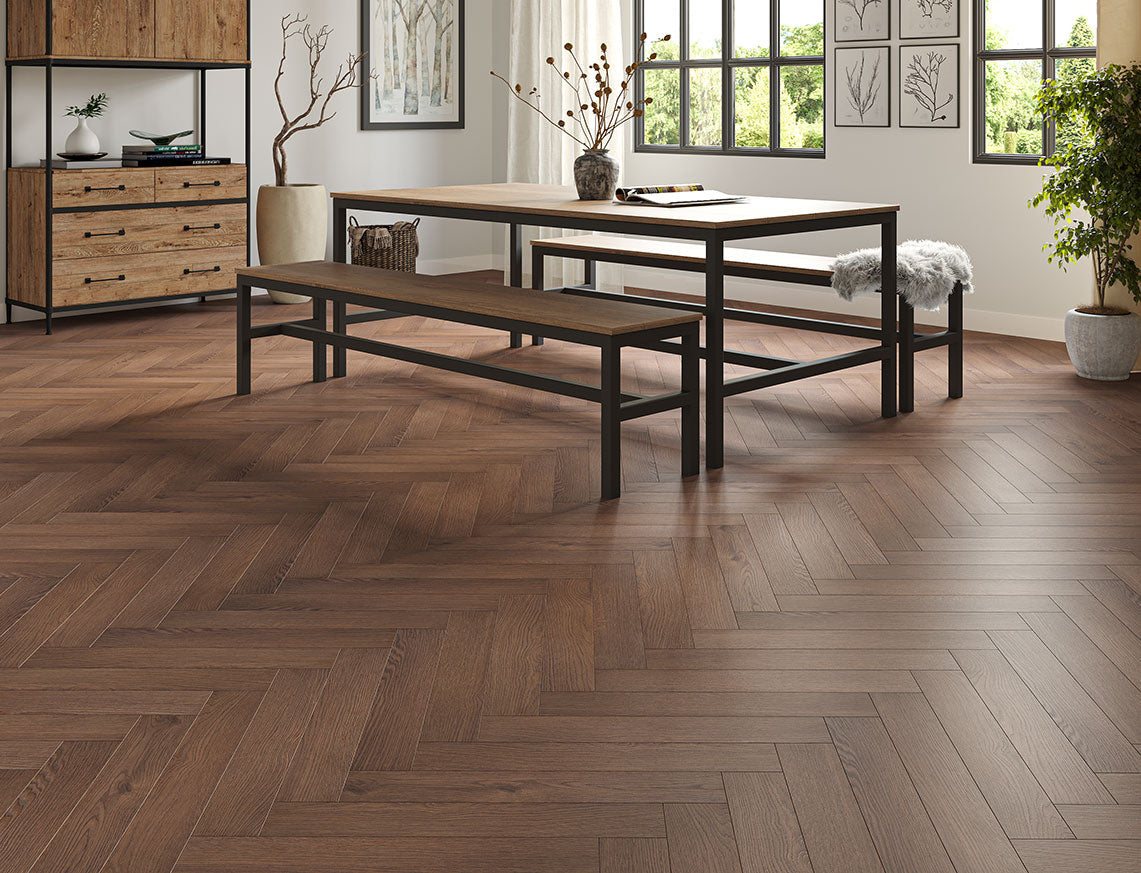
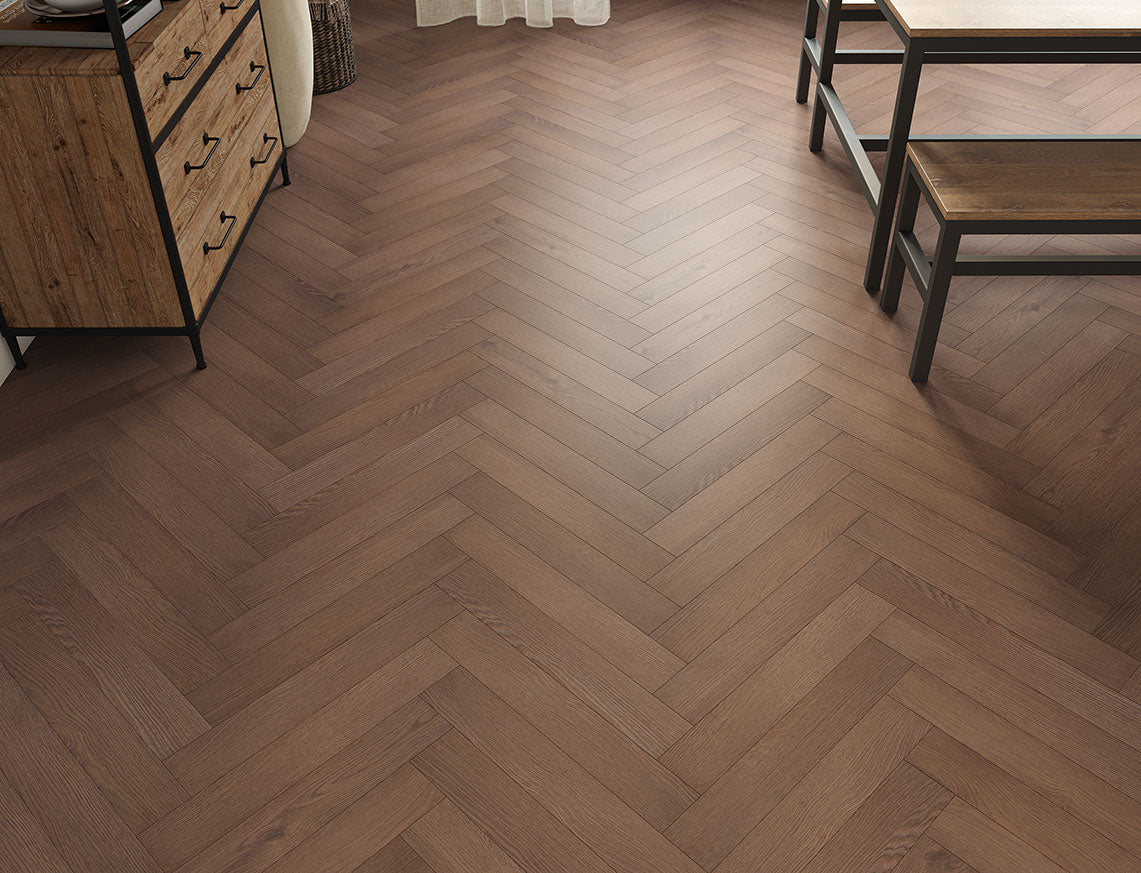
Mid-tone browns and greys disguise the dust and marks a hallway attracts better than very pale or very dark floors. Hallways are also long and narrow, which makes them well suited to chevron or a plank layout running away from the front door, drawing the eye down the space.
A doormat is worth more than any finish
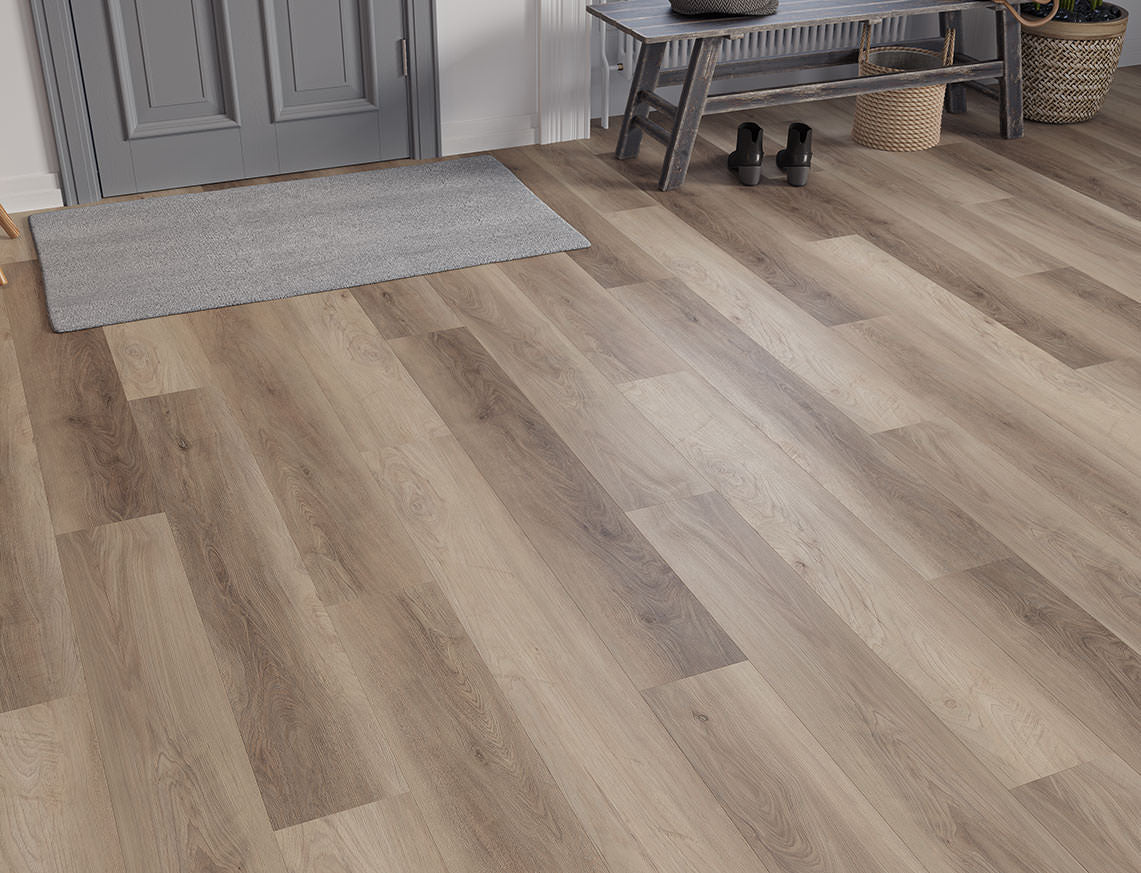
A good mat at every external door catches the grit before it reaches the floor, and will extend the life of a hallway floor more than any upgrade you can buy. Sweep or vacuum regularly for the same reason.
Conservatory flooring
A conservatory is a different problem entirely. Traffic is usually light, but the temperature swing between a summer afternoon and a winter night is far greater than anywhere else in the house, and often the humidity swings with it.
Wood expands and contracts with those changes. In a stable room that movement is negligible. In a conservatory it is not, which is why solid oak is the one material we would steer you away from here.
SPC vinyl is the safest choice
The rigid stone polymer core is dimensionally stable across a wide temperature range, and it is waterproof, which covers you for condensation running down the glass. It also copes better with a slightly uneven subfloor than most floors.
Engineered oak and laminate also work
Both are far more stable than solid timber and are perfectly viable in a conservatory. Leave a generous expansion gap at every wall, since the floor will move more here than elsewhere, and follow the manufacturer's guidance on acclimatisation.
Watch the sunlight
Direct sun through glass will fade any floor over time, and it fades unevenly where furniture or rugs sit. Blinds help. So does moving rugs occasionally rather than leaving them in one place for years.
What suits which
Hallway
Conservatory
Main challenge
Traffic and grit
Temperature swing
Engineered oak
Yes, thicker wear layer
Yes
Solid oak
Yes
Not recommended
Laminate
Excellent
Yes
LVT / SPC vinyl
Excellent
Best choice
Running the floor through
A hallway is usually visible from several other rooms at once, which makes it the room where a single continuous floor pays off most. Changing at every doorway chops the space up and makes a narrow hall feel narrower still.
Where you do need to change, into a bathroom or a room with a different floor, a threshold or ramp profile makes a clean transition. Hallways also frequently mean stairs, which need stair nosing on the leading edge of each step.
How much will you need?
Hallways are rarely simple rectangles. Split the space into sections, measure each one, and add them together. The flooring calculator on every product page lets you enter several areas at once and works out the packs including the allowance for cuts.
Count your doorways for profiles and your steps for nosing. A hallway typically needs more trims than any other room, and they are the thing most often forgotten.
Hallway and conservatory flooring: frequently asked questions
What is the most hard-wearing flooring for a hallway?
Laminate and vinyl resist scratching best. If you want real wood, choose engineered oak with a 4mm or thicker wear layer.
What flooring is best for a conservatory?
SPC vinyl, because its rigid core is stable across a wide temperature range. Engineered oak and laminate also work. Solid oak is not recommended.
Can I put solid wood in a conservatory?
We would advise against it. The temperature swing causes solid timber to expand and contract more than the floor can comfortably absorb.
Which wear layer do I need for a hallway?
4mm or greater in engineered oak. The wear layer is listed in the specification on every product page.
Will sunlight fade my conservatory floor?
Direct sun fades any floor over time, and unevenly where rugs and furniture sit. Blinds help, as does moving rugs occasionally.
Which way should hallway boards run?
Usually along the length of the hall, away from the front door. Running boards across a narrow hallway emphasises how narrow it is.
Do I need stair nosing?
If the floor continues onto stairs, yes. One per step. It finishes and protects the leading edge, which takes the most wear of any part of a staircase.